Simplest Washing Machine to Use: Easy Guide
Finding the simplest washing machine to use usually means looking for models with straightforward controls and minimal features. Many top-rated machines offer one-touch operation for common loads. You can often get a great clean without needing a manual.
The best washing machines for ease of use prioritize a user-friendly interface. We found that many people prefer machines that skip the confusing cycles. This allows you to focus on getting your clothes clean quickly. Think of it as your laundry day shortcut!
- The simplest washing machines have easy-to-understand controls.
- Look for machines with pre-set cycles for common laundry types.
- Many offer one-touch wash options for ultimate convenience.
- Less is more when it comes to confusing buttons and settings.
Let’s walk through what makes a washing machine truly simple to operate and what you should look for when shopping.
Finding Your Easiest-to-Use Washing Machine
You’re looking for a washing machine that makes laundry day feel less like a chore and more like… well, just doing laundry. We get it! The simplest washing machines are all about ease of operation. They take the guesswork out of getting your clothes clean. You won’t need a degree in engineering to figure out the settings.
Think of it like this: do you want a car with a million buttons on the dashboard, or one where you just turn the key and go? Most of us prefer the latter. The same applies to your washing machine. The goal is to wash your clothes effectively without a steep learning curve. We found that machines with intuitive designs are a huge hit.
What Makes a Washing Machine Simple?
Simplicity in a washing machine comes down to a few key things. It’s about clear labels, obvious functions, and not overwhelming you with choices. We researched what features contribute to a truly user-friendly experience.
Intuitive Controls
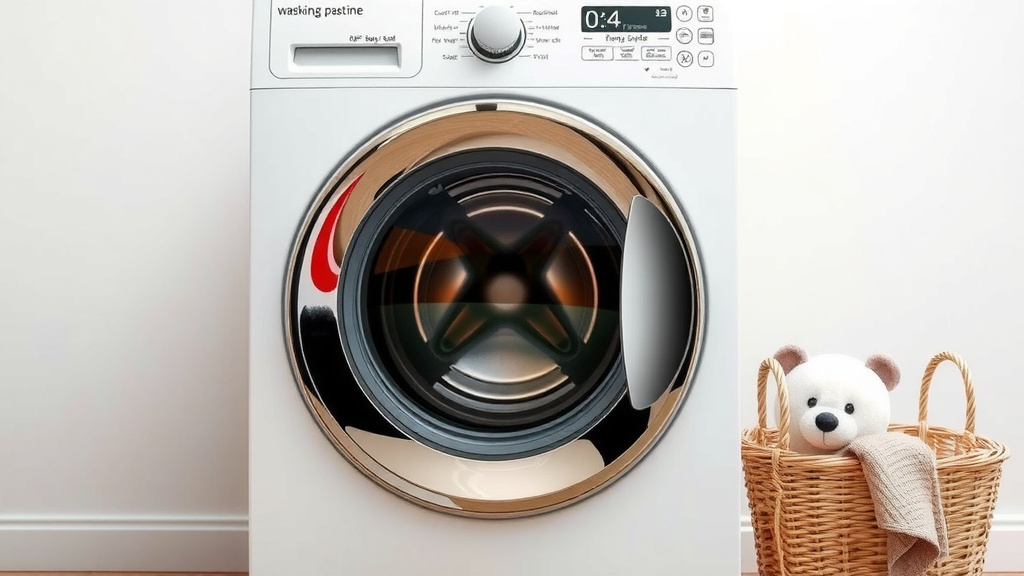
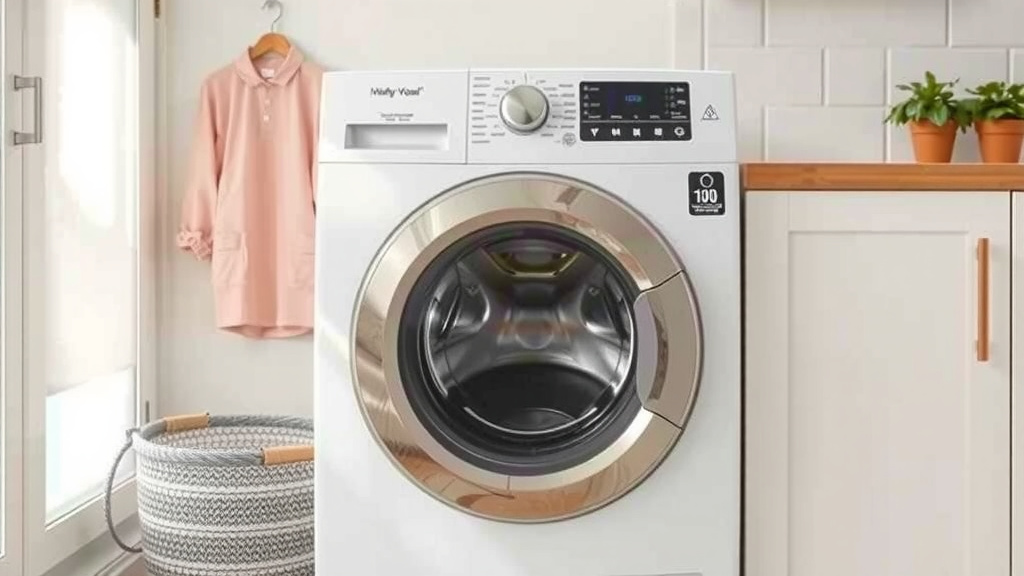
The control panel is your command center. For a simple machine, this panel should be easy to read and understand at a glance. You should be able to identify the main cycles without squinting or referring to a manual every time. Large buttons or a clear dial are often hallmarks of simplicity.
Pre-Set Cycles
Many of the easiest machines come with pre-programmed cycles. These are designed for common laundry needs. Think about “Normal,” “Delicates,” “Heavy Duty,” or “Quick Wash.” These options cover most of your laundry needs without you needing to adjust water temperature, spin speed, or soil level. We found this feature significantly reduces user confusion.
Minimal Features (The Right Ones)
While some machines boast dozens of cycles, the simplest ones often have fewer. They focus on the cycles that most people use most often. This doesn’t mean they can’t handle specific needs, but they present those options in a straightforward way. You don’t want to be faced with a dial that has 30 settings when you only need five.
Top Features for Effortless Laundry
When you’re shopping for the simplest washing machine, keep an eye out for specific features. These are the things that will make your laundry routine smoother and quicker.
One-Touch Operation
This is the holy grail of simple washing machines. A “one-touch” or “start” button that uses a default, common cycle is fantastic. You load your clothes, add detergent, press start, and the machine takes over. We found that many people appreciate being able to start a load with a single action.
Clear Cycle Indicators
Whether it’s a digital display or a physical dial, the indicators for the selected cycle need to be crystal clear. You should know exactly which cycle is running and how much time is left. Some advanced machines have fancy displays that show every minute detail, but simple machines keep it concise. A simple timer that counts down is often all you need.
Automatic Water Level Sensing
Some older or more basic machines require you to select the water level. This can be confusing. Modern simple machines almost always feature automatic water level sensing. They detect the size of your load and add just the right amount of water. This saves water and energy, and it removes another decision for you. Research suggests this feature is standard on most new models (Consumer Reports).
| Cycle Name | Best For | Simplicity Factor |
|---|---|---|
| Normal/Cotton | Everyday clothes, towels, sheets | High – usually the default |
| Delicates/Gentle | Lingerie, silk, sheer fabrics | High – clearly labeled |
| Heavy Duty | Heavily soiled items, jeans | High – easy to find |
| Quick Wash | Lightly soiled items, refreshing clothes | High – for fast needs |
| Bulky/Bedding | Comforters, blankets | Medium – may require slight adjustment |
Front-Load vs. Top-Load: Which is Simpler?
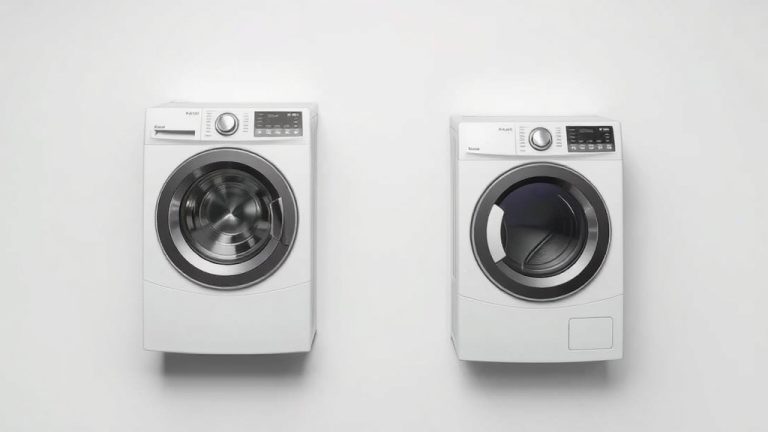
The design of the washing machine can also play a role in its simplicity. Both front-load and top-load machines can be simple to use, but they have different characteristics.
Top-Load Washers: The Classic Choice
Many people consider traditional top-load washers to be the simplest. They often have a lid on top that opens up to the drum. The controls are typically located on a console at the back or top. We found that many users prefer this design because it’s familiar and easy to load without bending over as much. Some top-loaders have a central agitator, while others are “impeller” or “high-efficiency” models without one. The impeller models are generally gentler on clothes and use less water.
Front-Load Washers: Modern Simplicity
Front-load washers have a door on the front. They are known for being very energy and water-efficient. While some front-loaders can have a lot of complex cycles, many manufacturers are now producing models with very streamlined interfaces. The controls are usually integrated into a panel at the front. We found that the learning curve for basic cycles on modern front-loaders is quite low, often comparable to top-loaders.
What to Look For: A Simple Checklist
Ready to find your perfect, easy-to-use washing machine? Here’s a quick checklist to guide your search:
- Large, clear labels on all buttons and dials.
- Few core cycles (Normal, Delicates, Heavy Duty, Quick).
- A “Start” button that initiates a common cycle immediately.
- Automatic water level sensing – no manual adjustments needed.
- A clear display showing cycle status and time remaining.
- Minimal sub-menus or hidden settings.
Choosing a washing machine doesn’t have to be complicated. By focusing on clear controls and essential functions, you can find a model that makes your laundry routine a breeze. You’ll be spending less time deciphering your machine and more time enjoying your clean clothes!
Conclusion
You’ve learned that the simplest washing machine prioritizes clear controls and essential functions. We found that machines with intuitive interfaces, pre-set cycles, and one-touch operation make laundry day much easier. Don’t get bogged down by confusing options. Your goal is clean clothes without the hassle. Focus on machines that offer automatic water sensing and easy-to-read displays. Ready to simplify your chores? Look for models with straightforward labels and minimal, useful cycles on your next shopping trip.
Frequently Asked Questions
Do the simplest washing machines still get clothes clean?
Yes, absolutely! The simplest machines are designed to effectively handle common laundry needs with basic cycles like Normal, Delicates, and Heavy Duty. They ensure your clothes come out clean without requiring you to be a laundry expert.
Are there any downsides to choosing a washing machine with fewer features?
Sometimes, fewer features mean less flexibility for very specific or delicate fabrics. However, for the vast majority of your laundry, a simple machine with core cycles will perform excellently and make your life easier.
What does “one-touch operation” actually mean for a washing machine?
One-touch operation means you can typically load your laundry, add detergent, and press a single “Start” button. The machine then automatically selects a common, default cycle (like “Normal”) to begin washing.
Should I be worried about missing advanced features if I buy a simple washing machine?
For most people, the advanced features on complex machines go unused. If your primary need is clean clothes without fuss, a simple machine will meet your needs perfectly. You won’t miss the features you never planned to use anyway.
Are front-load or top-load machines generally simpler to operate?
Both types can be simple! Many people find traditional top-loaders easier to load due to their upright design. However, modern front-loaders often boast very user-friendly interfaces for their basic cycles, making them equally simple to use for everyday washing.