Choosing a Washing Machine: Key Features to Consider
When buying a washing machine, you should look for capacity based on your household size, energy efficiency to save on bills, and wash cycle options that suit your fabrics. Consider whether you prefer a top-load or front-load model, as each has pros and cons for your laundry routine.
We found that understanding your specific needs is key to a successful purchase. Think about the space available in your home and your typical laundry load sizes. Many experts also suggest checking user reviews for reliability and common issues before you decide.
- What’s your family size?
- How much laundry do you do?
- What’s your budget?
- What space do you have?
- Do you need special cycles?
Let’s walk through exactly what you need to consider to find the perfect washing machine for your home.
Choosing Your Next Washing Machine: A Buyer’s Guide
Finding the right washing machine can feel like a chore in itself. You want a machine that gets your clothes clean. You also need it to fit your space and budget. We’ve broken down the key features to consider. This will help you make a smart choice for your home.
Understanding Your Laundry Needs
Before you even look at models, take a moment to assess your household. How many people are you washing for regularly? A single person might be fine with a smaller capacity. A family of five will need something much larger. We found that even a small difference in capacity can save you a trip to the laundromat.
Think about the types of items you wash most often. Do you have a lot of bulky bedding? Are you always washing sports uniforms? Your typical laundry load size is a big factor. Larger loads mean you’ll want a bigger drum. This avoids overloading the machine. Overloading can damage clothes and the appliance itself. Many experts suggest checking your current machine’s capacity and seeing if it’s enough. Or, if you don’t have one, measure your largest items.
Your budget is also a key piece of the puzzle. Washing machines range widely in price. Basic models can be quite affordable. High-end machines with all the bells and whistles can cost a lot more. We found that investing a little more upfront can often save you money in the long run. This is through better energy efficiency and durability.
Top-Load vs. Front-Load: The Great Debate
This is often the first big decision you’ll make. Both top-load and front-load washing machines have their own advantages. Your choice really depends on your personal preferences and laundry habits. We’ve looked at what makes each type stand out.
Top-Load Washers
Top-load machines have the lid on top. They can be either traditional agitator models or high-efficiency (HE) impeller models. Agitator models have a central post that twists and turns clothes. These are often more affordable and have shorter wash cycles. They can be tougher on fabrics, though.
HE impeller models use a low-profile disc at the bottom of the tub. This spins and rubs clothes together. They generally use less water than agitator models. They also offer more capacity. You can usually add clothes mid-cycle with top-loaders. This is a big plus for busy households. We found that many people appreciate the ease of adding forgotten socks. The tub is also at a more convenient height for loading and unloading. This means less bending over.
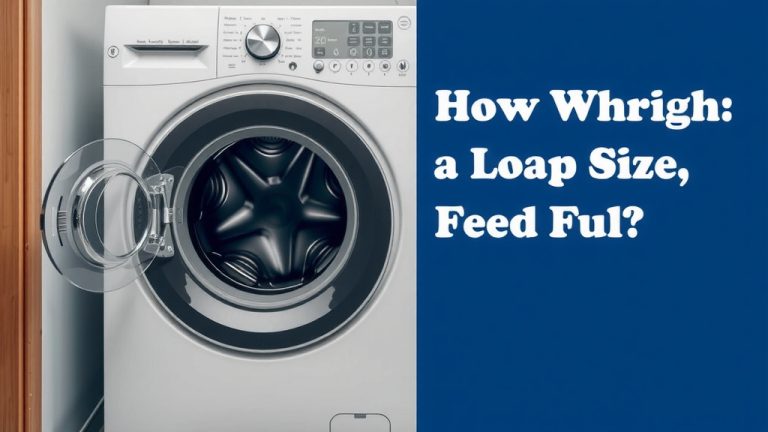
Front-Load Washers
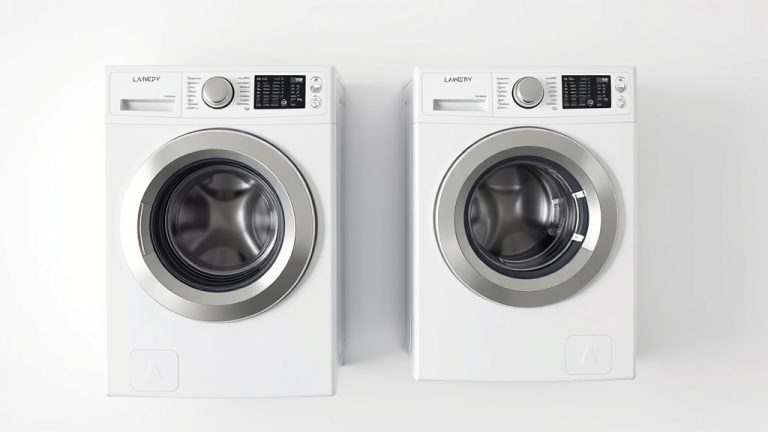
Front-load machines have a door on the front. They tumble clothes in a drum. This method is gentler on fabrics. They also tend to use less water and energy than most top-loaders. This can lead to lower utility bills over time, as many studies show (Energy Star). Front-loaders typically offer larger capacities.
The downside? They can have longer wash cycles. Many models require you to purchase a pedestal to raise the machine. This is for easier access and can add to the overall cost. Also, once a cycle starts, it’s harder to add items. Some people also find the bending required to load and unload to be a drawback. We found that mold or mildew can sometimes be an issue if the door seal isn’t dried regularly. This is a common point of discussion in user reviews.
Key Features to Look For
Once you’ve decided on the type, it’s time to look at the specific features. These can make a big difference in how you use your washing machine.
Capacity: How Big is Big Enough?
We’ve touched on capacity, but it’s worth emphasizing. Washer capacities are measured in cubic feet. Here’s a general guideline:
| Household Size | Recommended Capacity (Cubic Feet) |
|---|---|
| 1-2 people | 2.0 – 3.5 cu. ft. |
| 3-4 people | 3.5 – 5.0 cu. ft. |
| 5+ people | 5.0 cu. ft. and up |
Remember to measure your largest items, like comforters, before deciding. A machine that’s too small will lead to more trips to the laundromat. A machine that’s too big might waste water and energy on smaller loads.
Energy Efficiency: Saving Money and the Planet
Look for the Energy Star label. This certification means the appliance meets strict energy efficiency guidelines set by the U.S. Environmental Protection Agency. Energy Star certified washing machines use less water and electricity. This can save you money on your utility bills. Many guidelines suggest this is a smart investment (Energy Star). Over the lifetime of the machine, these savings can add up significantly.
Wash Cycles and Options: Tailoring Your Wash
Consider the types of fabrics you wash most often. Do you need delicate cycles for silks? Heavy-duty cycles for work clothes? Extra rinse options for sensitive skin? Some machines offer specialized cycles like:
- Sanitize: Kills bacteria with high heat.
- Allergen: Removes common allergens.
- Steam: Helps to loosen stains and reduce wrinkles.
- Quick Wash: For lightly soiled items.
Noise Level and Vibration
Some washing machines can be quite loud. If your laundry room is near living areas, this is important. Look for models that advertise quiet operation or vibration reduction technology. We found that user reviews often mention noise levels. This can be a helpful indicator.
Smart Features and Connectivity
Modern washing machines can connect to your Wi-Fi. You can often control them remotely with your smartphone. This might mean starting a load from work or getting notifications when it’s done. For some, this is a fantastic convenience. For others, it’s an unnecessary expense. We found that while neat, these features aren’t essential for a clean wash.
Don’t Forget About Installation and Space
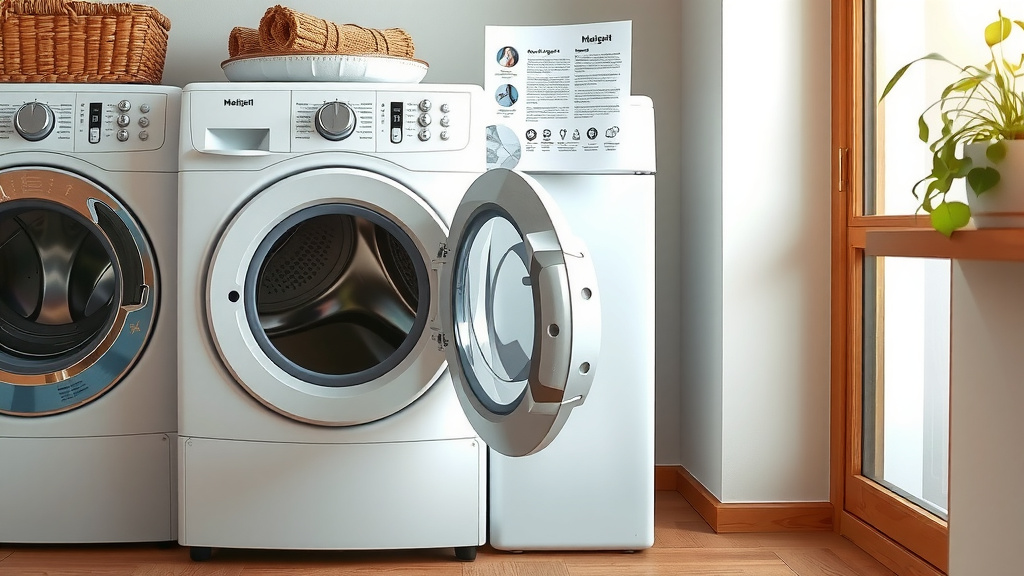
Measure your laundry space carefully. You need to account for the machine itself, plus clearance for doors to open fully. Also, check the hookups for water and drainage. Is your water inlet hose long enough? Is the drainpipe accessible? Many retailers offer installation services. We found that arranging for professional installation can prevent headaches down the line.
Your Washing Machine Checklist
Here’s a quick rundown to help you decide:
- Confirm your exact measurements for the space.
- Decide between top-load or front-load.
- Estimate your typical laundry load size.
- Look for the Energy Star rating.
- List any special wash cycles you need.
- Read a few user reviews for reliability.
By focusing on these key areas, you’re well on your way to finding a washing machine that will serve your household well for years to come.
Conclusion
You’re now equipped to make a smart washing machine purchase. Remember to focus on your household’s actual needs. Consider your space, typical laundry loads, and preferred washer type. Prioritizing energy efficiency with an Energy Star rating can save you money long-term. Don’t overlook user reviews for real-world performance insights. Take these steps, and you’ll find a reliable machine that makes laundry day easier.
Your next step is to measure your laundry space precisely. Then, compare models based on capacity, efficiency, and the wash cycles that matter most to you.
Frequently Asked Questions
Are front-load washers really worth the extra cost?
Front-load washers often have a higher upfront cost, but they typically use less water and energy, which can save you money on utility bills over time. Many studies show they are also gentler on clothes, potentially extending the life of your garments.
How do I know if I need a high-capacity washing machine?
If you have a large family (5+ people), frequently wash bulky items like comforters, or find yourself making multiple trips to the laundromat each week, a high-capacity machine is likely a good investment for you.
What are “smart” washing machine features, and are they necessary?
Smart features allow you to control your washer via a smartphone app, receiving notifications or starting cycles remotely. While convenient for some, they are generally not essential for effective cleaning and can increase the overall price.
Should I prioritize quiet operation when buying a washer?
If your laundry area is close to living spaces or bedrooms, quiet operation is a feature worth looking for. Many manufacturers offer models with specific noise-reduction technology, and user reviews often highlight how loud or quiet a machine is in practice.
What’s the difference between an agitator and an impeller top-load washer?
Traditional agitator top-loaders use a central post to move clothes, often leading to shorter cycles but can be harder on fabrics. HE impeller models use a low-profile disc and are gentler, usually offering more capacity and better water efficiency.