Standard Washer and Dryer Dimensions October 2026
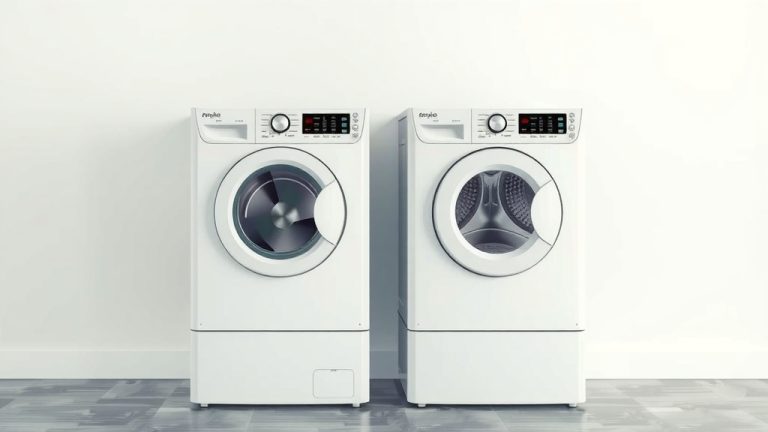
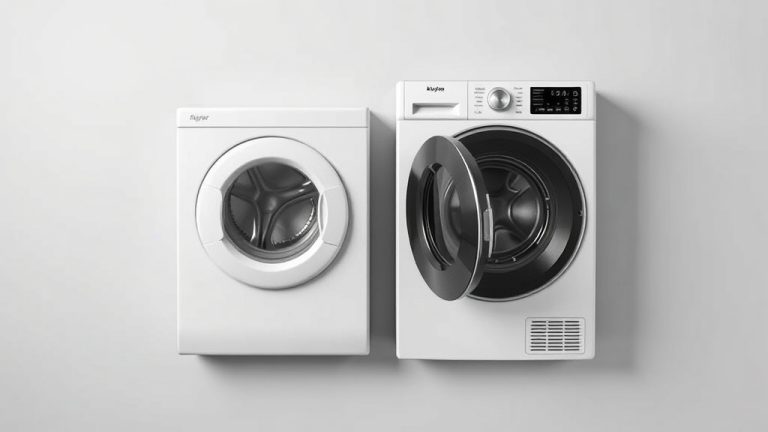
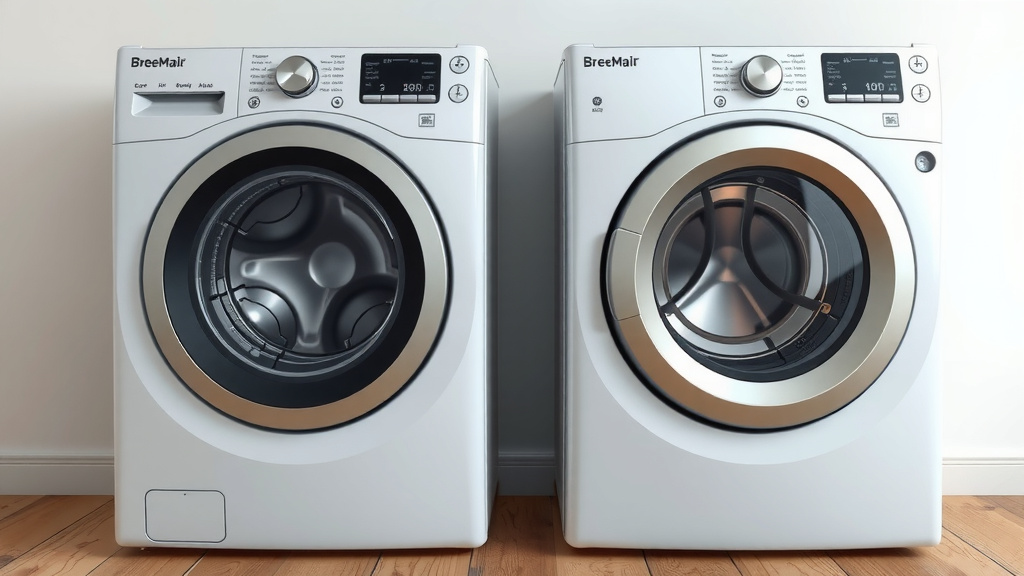
A standard washer and dryer set typically measures around 27 inches wide. This dimension is crucial for fitting into most laundry rooms or closets. Most front-load models are about 30-32 inches deep and 36-40 inches tall. Top-load washers might be slightly shorter in height.
When planning your laundry space, it’s smart to consider the depth, especially for front-loaders, as you need room for the door to open. You also need to account for the space behind the machines for hoses and venting. Stacking kits can alter the height significantly if you plan to stack them vertically.
- Washer and dryer width: usually 27 inches.
- Depth: around 30-32 inches for front-loaders.
- Height: typically 36-40 inches, but varies.
- Factor in door swing and venting space.
- Stacking kits change the overall height.
Let’s walk through the exact dimensions and what you need to consider for your laundry setup.
Understanding Standard Washer and Dryer Dimensions
So, you’re looking to fit a new washer and dryer into your home? That’s a common task, and knowing the standard sizes can save you a lot of headache. Let’s break down the typical measurements so you can shop with confidence.
Typical Width of Laundry Appliances
Most standard washers and dryers are designed to fit comfortably in a typical laundry space. We found that the most common width for both a standard washer and a standard dryer is about 27 inches. This width is a widely adopted industry standard. It allows manufacturers to create units that fit into many homes without requiring custom installations.
Think of it like buying a standard-sized door. Most doors are 30 or 36 inches wide, and appliances are similar. This 27-inch width ensures that you can usually buy a matching pair. It also means that if you have a space that fits one, it will likely fit the other.
Front-Load Washers: Depth Matters
When you’re looking at front-load washers, the depth is a key measurement. These machines often measure between 30 to 32 inches deep. This might seem like a lot, but it accounts for the internal drum and the mechanics behind it. Plus, it includes the door itself.
You’ll need to make sure you have enough space for the door to swing open fully. We recommend measuring at least 10 to 12 inches of clearance in front of the machine for the door. This ensures you can easily load and unload laundry without bumping into walls or other appliances. It also allows for comfortable access.
Top-Load Washers: A Slightly Different Profile
Top-load washers often have a slightly different depth profile than their front-load counterparts. Many standard top-load washers are about 27 to 28 inches deep. This can be a bit more forgiving if you’re working with tighter spaces. The controls are typically on the back, which helps keep the front profile streamlined.
However, you still need to consider the lid. When the lid is open, a top-load washer can extend quite a bit. Make sure you have enough vertical space for the lid to lift completely. This is often around 50-55 inches of total height from the floor when the lid is fully open.
The Height of Your Laundry Machines
The height of washers and dryers can vary depending on the type and model. Standard washers and dryers usually stand between 36 to 40 inches tall. This is a comfortable height for most adults to load and unload. Many top-load washers are on the shorter end of this range. Front-load washers can sometimes be a bit taller.
Considering Stackable Units
If you’re short on floor space, stacking your washer and dryer is a popular solution. When stacked, the combined height can be significant. A typical stacked unit can reach around 70 to 80 inches in height. This is roughly double the height of a single unit.
You’ll need a special stacking kit to secure the units safely. These kits are designed to hold the top unit firmly in place. Always check the manufacturer’s specifications for the exact combined height. Also, ensure your ceiling height can accommodate the stacked setup. Many guidelines suggest at least 80 inches for clearance.
What About the Space Behind the Machines?
Don’t forget the space behind your washer and dryer! You’ll need room for the water hoses, drain hose, and the dryer vent. Experts recommend leaving at least 4 to 6 inches of space behind the appliances. This ensures proper airflow for the dryer and prevents kinks in the hoses.
Kinked hoses can lead to poor performance or even water damage. The dryer vent needs to be clear for maximum efficiency. A clogged vent is a fire hazard, so adequate space is more than just a convenience; it’s a safety measure. Many sources, like the National Fire Protection Association (NFPA), highlight the importance of proper venting.
Standard Dryer Depth and Features
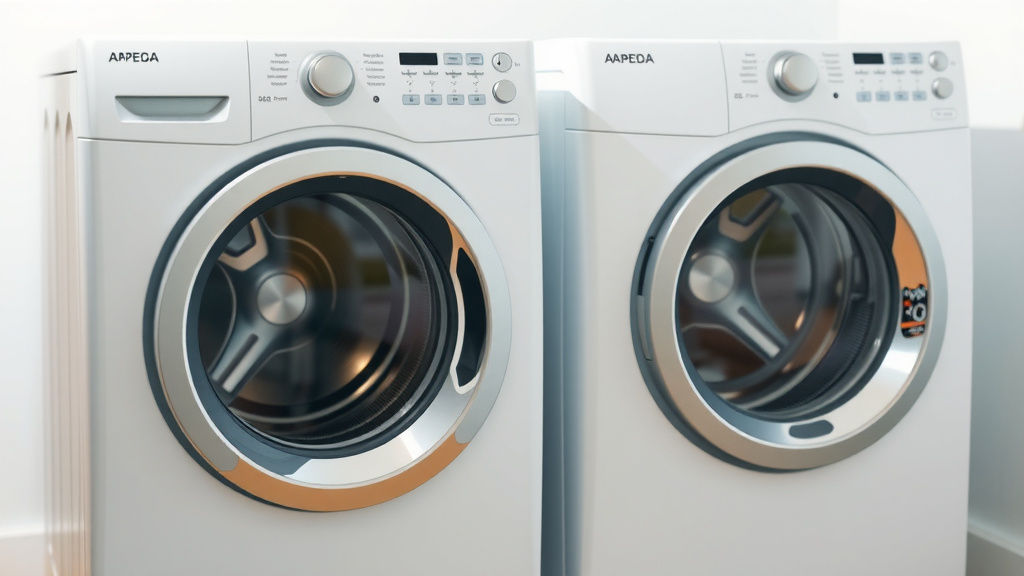
Dryers, whether front-load or top-load, generally follow similar depth standards to washers. Most standard dryers are also around 27 inches wide and 30 to 32 inches deep for front-load models. Top-load dryer depths are often similar to top-load washers, around 27-28 inches.
The main difference you’ll see in depth is often related to the control panel and door. Front-load dryers have a door on the front, just like their washer counterparts. Some models might have slightly larger control panels that add an inch or two to the overall depth. Always double-check the specs for the specific model you’re considering.
A Quick Comparison Table
To make things super clear, let’s put some typical dimensions side-by-side. This should help you visualize your laundry space better.
| Appliance Type | Approximate Width | Approximate Depth (Standard) | Approximate Height (Standard) | Notes |
|---|---|---|---|---|
| Standard Washer (Top-Load) | 27 inches | 27-28 inches | 36-38 inches | Lid opens from top. |
| Standard Washer (Front-Load) | 27 inches | 30-32 inches | 38-40 inches | Door opens from front, requires more clearance. |
| Standard Dryer (Top-Load) | 27 inches | 27-28 inches | 36-38 inches | Lid opens from top. |
| Standard Dryer (Front-Load) | 27 inches | 30-32 inches | 38-40 inches | Door opens from front. |
| Stacked Washer/Dryer | 27 inches | 30-32 inches | 70-80 inches | Requires stacking kit and extra ceiling height. |
Measuring Your Space: A Simple Checklist
Before you fall in love with a new laundry set, let’s make sure it fits. Here’s a quick checklist to guide your measurements:
- Measure the width of your laundry area.
- Measure the depth of the space, including room for door swing.
- Measure the height from floor to ceiling (especially for stacked units).
- Account for space behind the machines for hoses and venting.
- Check if doorways are wide enough for delivery.
- Ensure there are accessible power outlets and water hookups.
Taking these measurements ensures your new appliances will be a perfect fit. It prevents those frustrating moments when a beautiful new machine arrives, only to find it won’t quite go where you planned.
Conclusion
You’ve now got a clear picture of standard washer and dryer dimensions. We found that most units are about 27 inches wide, a consistent industry standard. Remember to factor in the depth, especially for front-loaders, and always account for door swings and essential space behind the machines for hoses and ventilation. Stacking your units can double the height, so measure your ceiling carefully. Your next step is to measure your laundry space using our checklist. This ensures your new appliances will fit perfectly, avoiding delivery day surprises.
Frequently Asked Questions
Will a standard washer and dryer fit through my doorway?
While most standard washers and dryers are 27 inches wide, your doorways might be narrower. We recommend measuring all doorways the appliances will pass through, including the entrance to your home and the laundry room itself. A common doorway width is 30-32 inches, which usually accommodates standard appliances, but it’s always best to measure first.
How much space do I *really* need for a front-load washer door to open?
For a front-load washer door, we found that you’ll need about 10 to 12 inches of clearance in front. This allows the door to swing open fully without hitting walls or cabinets. Ensure this space is clear for easy loading and unloading of your laundry. If space is tight, consider a model with a reversible door, if available.
Is the dryer vent space requirement different from the hose space requirement?
Yes, they are both important but serve different functions. You need space for hoses (water and drain) and space for the dryer vent. We recommend 4 to 6 inches behind the appliances for both. This ensures proper airflow for the dryer vent, which is vital for efficiency and fire safety. It also prevents kinks in the hoses, which can cause performance issues.
Are there smaller washer and dryer options if my space is very limited?
Yes, if standard sizes won’t work, you can find compact or apartment-sized units. These are typically narrower, often around 24 inches wide. Their depths and heights may also be reduced. These are a great solution for smaller homes or apartments where space is at a premium.
Do stacked washer and dryer units require special electrical or plumbing hookups?
Generally, stacked units use the same standard electrical outlets and plumbing hookups as single units. The dryer will need its specific vent and power source, and the washer will need its water hookups and drain. The main difference is the increased height and the need for a secure stacking kit to ensure stability.