Apartment Size Washer and Dryer Dimensions Explained
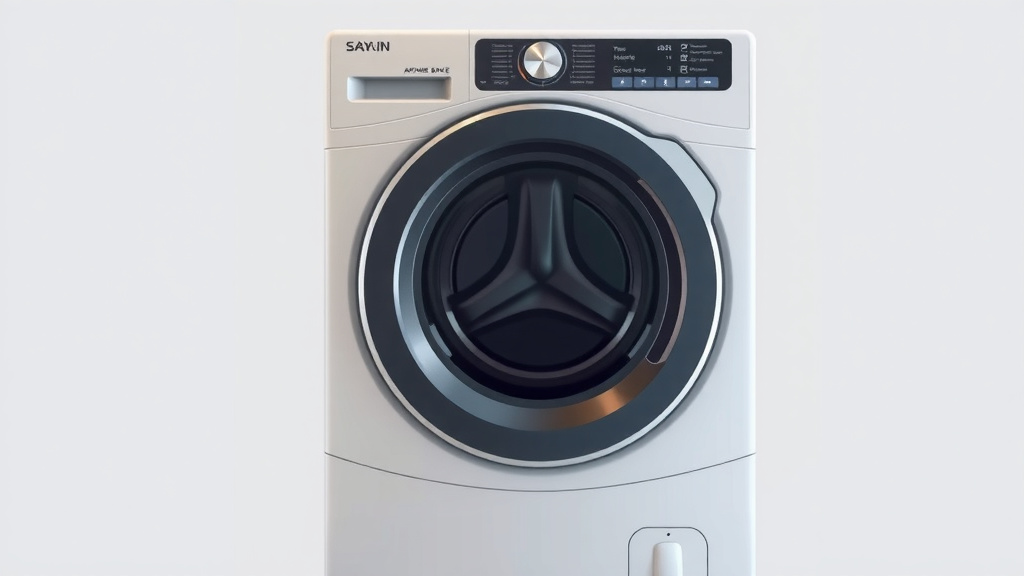
An apartment-size washer and dryer typically refers to compact units designed for smaller living spaces. These machines are generally around 24 inches wide. They are a perfect solution when you have limited laundry room space or live in an apartment. Many homeowners choose them for their efficiency and smaller footprint. Finding the right size can make a big difference in your home.
When we talk about apartment-size appliances, we’re often looking at units with smaller capacities. This means they hold fewer clothes per load. They also tend to have shallower depths than standard machines. This makes them ideal for stacking or fitting into tight corners. You might also find them called “mini” or “compact” washers and dryers. They help conserve both space and water.
- Apartment-size washers and dryers are typically 24 inches wide.
- They are designed for smaller homes and apartments.
- These units have smaller capacities and shallower depths.
- They are often referred to as “compact” or “mini” appliances.
- They help save space and can fit into tight laundry areas.
Let’s get into the specifics of what makes a washer and dryer “apartment-size” and how to choose the best fit for your needs.
You’ve seen the introduction about apartment-size washers and dryers. Now, let’s dive a little deeper into what actually defines these smaller laundry appliances and what you should be looking for. It’s not just about fitting them into a tiny space, though that’s a big part of it! We’ll break down the dimensions, capacities, and what makes them unique.
Understanding Apartment-Sized Laundry Dimensions
So, what exactly makes a washer or dryer “apartment-size”? It’s primarily about their width. Standard full-size machines are usually about 27 to 30 inches wide. Apartment-size models are built to be slimmer, typically fitting within a 24-inch width. This difference might seem small, but it’s a game-changer for fitting them into tighter spaces. You’ll often find these units are also shallower, meaning they don’t stick out as far from the wall. This can be a huge advantage in small kitchens or hallways that double as laundry areas.
Width: The Defining Factor
When most people talk about apartment-size washers and dryers, the 24-inch width is the key measurement. This is the standard dimension for compact laundry appliances. It allows them to slide into closets, small alcoves, or narrow laundry rooms where a full-size unit simply wouldn’t fit. If you’re measuring your available space, make sure to account for the door swing and any necessary clearance for ventilation or plumbing. A few extra inches can make a big difference for installation and everyday use. We’ve found that this 24-inch standard is pretty consistent across most brands.
Depth: A Space-Saving Consideration
Beyond width, the depth of these machines is another important factor. Apartment-size units are often around 24 to 27 inches deep, compared to standard machines that can be 28 to 33 inches deep. This shallower profile means they won’t protrude as much into your living space. If your laundry area is on a main thoroughfare or in a high-traffic zone, a shallower appliance is much less obtrusive. It also makes it easier to access the back of the machine for maintenance or to plug in cords. Many users appreciate not having their laundry appliances stick out like a sore thumb.
Height: Stacking Up Your Options
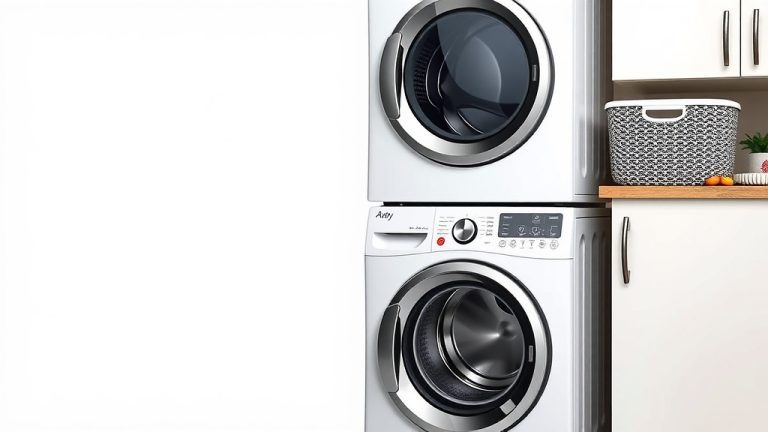
While width and depth are critical for fitting machines into tight spots, height is often relevant if you plan to stack them. Apartment-size washers and dryers are frequently designed to be stackable. This means the dryer sits directly on top of the washer, using vertical space efficiently. A typical stacked unit can be around 70 to 75 inches tall. Always check the manufacturer’s specifications for the exact height, especially if you have low ceilings. When stacked, they take up the floor space of just one unit, which is a massive win for small homes.
Capacity: What Can You Fit Inside?
Apartment-size washers and dryers are, by necessity, smaller in capacity than their full-size counterparts. This means they hold fewer clothes per load. This isn’t necessarily a bad thing, especially if you’re a single person or a couple. It just means you might need to do laundry a bit more often. Understanding the capacity will help you avoid overloading the machine, which can lead to poor cleaning and potential damage.
Washer Capacity: Cubic Feet Explained
Washer capacity is usually measured in cubic feet. Apartment-size washers typically range from about 1.5 to 2.5 cubic feet. For comparison, a standard full-size washer might be 3.5 to 5.0 cubic feet. What does this mean in practical terms? A 2.0 cubic foot washer can generally handle about 10 to 12 pounds of laundry per load. This is enough for a few outfits, towels, or a set of sheets. You won’t be washing a king-size comforter or a week’s worth of family laundry in one go. If you have a larger household, you might find yourself doing multiple smaller loads.
Dryer Capacity: Matching the Washer
Dryer capacity is also measured in cubic feet. A compact dryer usually has a capacity of around 4.0 to 5.0 cubic feet. This is generally matched to the washer’s capacity. You want to ensure you can fit the wet clothes from one washer load into the dryer with room to tumble freely. Overstuffing a dryer hinders airflow, leading to longer drying times and less efficient energy use. For a 2.0 cubic foot washer, a 4.0 cubic foot dryer is usually a good pairing. It allows for adequate space for clothes to move around and dry evenly.
Types of Apartment-Size Laundry Units
You’ll find a few different configurations of apartment-size washers and dryers. Each offers a unique solution depending on your space and needs. Most are designed with efficiency and space-saving in mind.
Stacked Washer/Dryer Units
These are perhaps the most common type you’ll encounter. A single appliance houses both a washer on the bottom and a dryer on top. This is an excellent space-saver, as it only occupies the footprint of one machine. They are ideal for installation in a closet or a narrow corner. Many are designed to vent through a standard dryer vent, but some ventless models are also available, which can be a huge plus if venting is difficult.
Side-by-Side Compact Sets
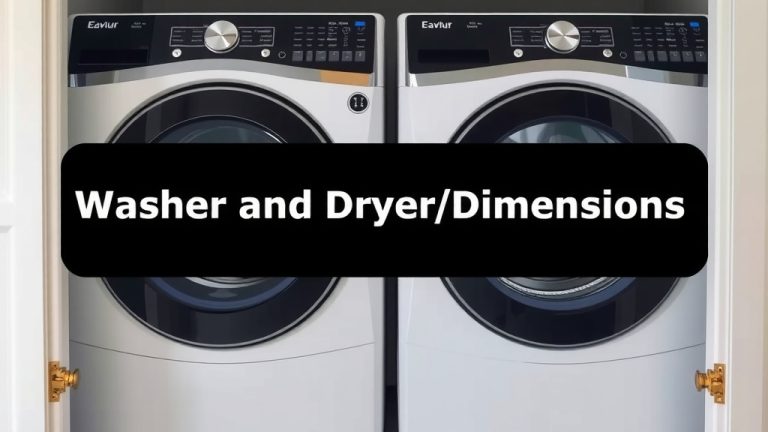
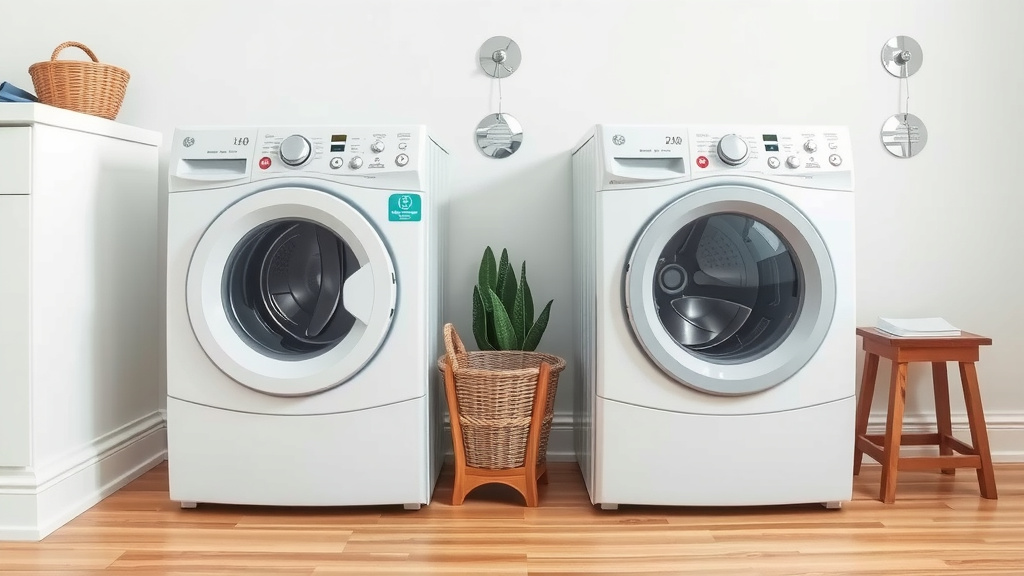
You can also find compact washers and dryers that are designed to sit next to each other. These typically both measure around 24 inches wide. While they take up more floor space than a stacked unit, they can be easier to load and unload. This configuration might be preferable if you have a slightly wider but shallower space available, like a small dedicated laundry room. You can also sometimes place them under a counter if your layout allows.
All-in-One Washer/Dryer Combos
These are a truly compact solution. An all-in-one unit washes and then dries clothes in the same drum. This is perfect for extremely tight spaces where a separate washer and dryer, even a compact set, just won’t work. However, they often have even smaller capacities and longer cycle times because they have to perform both functions. You’ll also typically need a water hookup and a drain, but many do not require a separate dryer vent, which is a big advantage for apartments. They are a trade-off for ultimate space-saving.
Making the Right Choice for Your Home
Choosing the right size washer and dryer is essential for a functional laundry setup in a smaller home. Consider these key points to help you make an informed decision. Don’t forget to measure your space carefully before you start shopping!
- Measure your space: Double-check the width, depth, and height where the appliances will go.
- Consider your laundry needs: How much laundry do you do per week?
- Think about installation: Do you have water hookups and a drain? Is venting an option?
- Decide on configuration: Stacked, side-by-side, or all-in-one?
- Read reviews: See what other users say about specific models.
Conclusion
You’ve learned that apartment-size washers and dryers are primarily defined by their 24-inch width, making them perfect for compact living. Remember to consider not just the width but also the depth and height, especially if you plan to stack them or need them to fit into a tight corner. Understanding the smaller capacities (around 1.5 to 2.5 cubic feet for washers and 4.0 to 5.0 cubic feet for dryers) will help you manage your laundry loads efficiently. Whether you choose a stacked unit, a side-by-side set, or an all-in-one combo, the key is to measure your space carefully and match the appliance to your household’s needs. Your next step is to grab your tape measure and start looking for the perfect compact laundry solution for your home!
Frequently Asked Questions
What’s the smallest width available for an apartment-size washer and dryer?
The most common width for apartment-size washers and dryers is 24 inches. This standard dimension is designed to fit into tighter spaces like closets or small alcoves where full-size machines simply won’t go. You might find slight variations, but 24 inches is the benchmark you’ll see from most manufacturers.
Can I still do large loads with an apartment-size washer?
Apartment-size washers have smaller capacities, typically holding around 10 to 12 pounds of laundry per load. This is usually enough for a few outfits or a set of towels, but you won’t be washing bulky items like comforters. If you have a larger household, you’ll likely need to do laundry more frequently.
Do apartment-size dryers require a special vent?
Many apartment-size dryers use a standard dryer vent, just like full-size models. However, ventless compact dryers are also available, which are a great option if venting is difficult or impossible in your living space. Always check the model’s specifications to confirm its venting requirements.
Are stacked apartment-size units difficult to load?
Loading a stacked unit can be slightly more challenging for the top dryer, especially if you are shorter. However, they are designed to make efficient use of vertical space. For easier access, some people opt for side-by-side compact units if their space allows, or they use a small step stool for the dryer.
How much water do apartment-size washers use?
Generally, apartment-size washers are designed to be more water-efficient than older, full-size models. Because of their smaller tub size, they naturally use less water per load. Many compact machines also feature advanced water-saving cycles. This makes them a good choice for conserving resources in your home.