Stackable Washer Dryer Height: What You Need to Know
The height of stackable washers and dryers can vary, but most units combined stand around 70-75 inches tall. This measurement is important for fitting them into your laundry space. You’ll want to measure your doorway and the laundry closet before you buy.
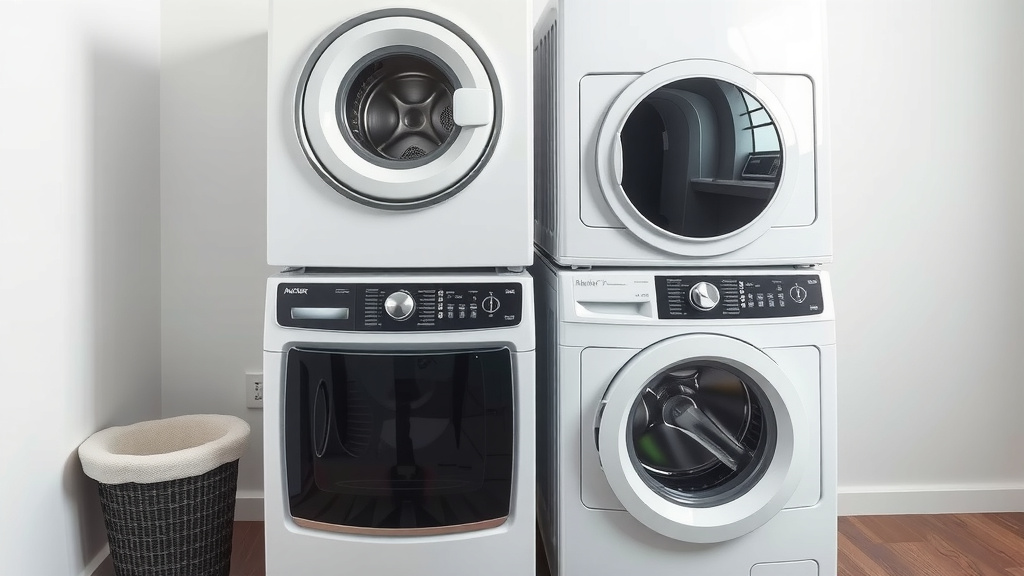
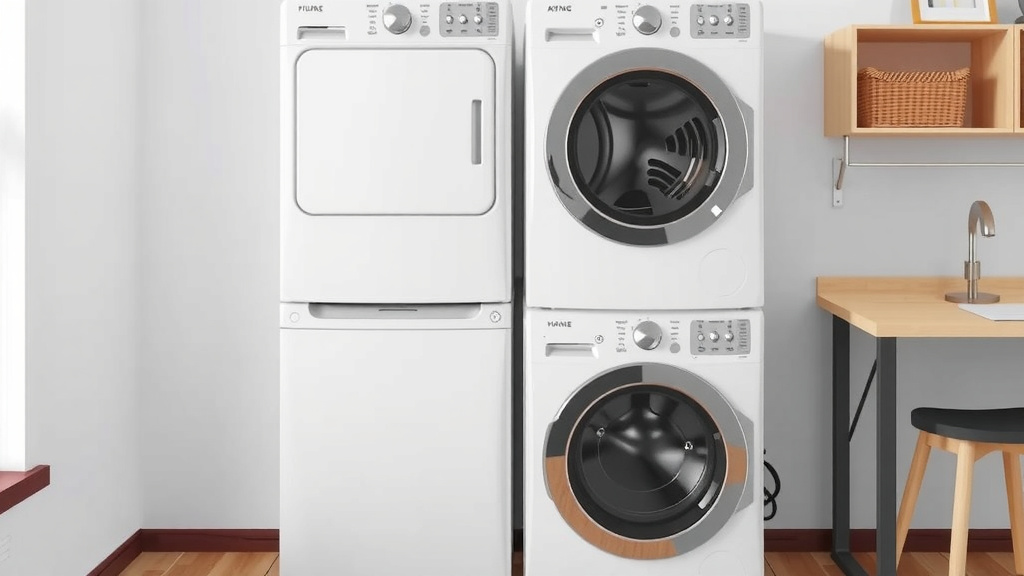
Stackable washer and dryer sets, also called laundry towers, are designed to save space. They usually consist of a front-loading washing machine on the bottom and a matching dryer on top. Many people choose these for apartments or smaller homes where floor space is limited. You can also get stacking kits to secure older, compatible models.
- Stackable washer and dryer height averages 70-75 inches.
- Always measure your space and doorways first.
- Front-loading models are typically used for stacking.
- Ensure you have the correct stacking kit for stability.
- Check manufacturer specs for exact dimensions.
Let’s walk through the typical dimensions you can expect and what you need to consider to make sure a stacked unit fits perfectly in your home.
How Tall Are Stackable Washer Dryer Units?
When you’re looking at stackable washer and dryer units, the first thing you often wonder about is their height. You’ve got a specific spot in mind, and you need to know if it will fit. We found that the combined height of these laundry towers typically falls within the 70 to 75-inch range. This measurement is key for ensuring you have enough vertical space.
Think of it like stacking two appliances, a washer and a dryer, on top of each other. That’s why they’re often called laundry towers. They are designed specifically to maximize limited floor space. This makes them a popular choice for apartments, condos, or even just smaller laundry rooms in larger homes.
Understanding the Stacked Unit Dimensions
Most stackable units are built as a matching pair. This means the washing machine is designed to be the base, and the dryer is designed to sit securely on top. This design isn’t just for looks; it’s for stability and functionality. You’ll almost always see front-loading machines used in these configurations. Top-loaders just aren’t built to be stacked safely.
When we talk about the total height, we’re referring to the fully assembled unit. This includes the washer on the bottom and the dryer on top. It’s essential to remember that not all models are exactly the same. Manufacturers have slight variations. Some might be a little shorter, and some might be a bit taller. Always check the specific model’s specifications.
Typical Height Range Breakdown
After researching several popular brands and models, we’ve observed a general pattern. The height can fluctuate based on the capacity and features of the individual washer and dryer. Here’s a more detailed look:
- Compact Stackable Units: These are often found in smaller apartments. They tend to be on the shorter side, sometimes around 65-70 inches.
- Standard Stackable Units: These are the most common. Their combined height usually lands between 70 and 75 inches.
- High-Capacity Stackable Units: If you need more space for larger loads, these units might be a bit taller, sometimes reaching up to 76-80 inches.
These numbers are good general guidelines. They help you start visualizing where these units might fit in your home. But as we’ve said, always double-check the exact measurements for the models you’re considering.
Factors Influencing Stackable Unit Height
So, what makes one stackable unit taller than another? It’s not just random. Several design choices by manufacturers contribute to these dimensions. Understanding these can help you appreciate why certain models have different heights and how they might impact your space.
Washer and Dryer Size and Capacity
The most significant factor influencing height is the capacity of the drum. Larger drums mean a larger washing machine and dryer. A bigger appliance naturally takes up more vertical space. If you have a large family or do a lot of laundry, you’ll likely need a larger capacity unit. This will mean a taller stack.
We found that units designed for larger loads, say 4.5 cubic feet or more for the washer, will generally be taller. This is true for both the washer and the matching dryer. They need more internal space for the drum and its mechanics. So, a high-capacity stack will almost certainly be taller than a compact one.
Type of Controls and Features
The location and type of control panels can also play a small role. Some dryers have their control panels on the door itself, which might slightly alter the overall height compared to models with controls on the top rear. However, this difference is usually minimal, perhaps an inch or two at most.
Think about where the buttons and displays are. Are they integrated into the door? Or are they on a sloped panel at the top? This can add a little bit of height. It’s a minor detail, but for someone with very tight ceiling clearance, every inch matters. We recommend checking the product photos and specifications carefully.
The Importance of the Stacking Kit
While the stacking kit itself doesn’t add significant height to the overall unit, it’s an indispensable component. A stacking kit is a bracket or frame that secures the dryer to the washer. It ensures stability and safety, preventing the top unit from tipping. These kits are usually specific to the brand and model family.
When you buy a new stackable unit, the kit is often included or available as a recommended accessory. If you’re attempting to stack older, separate machines (which we generally don’t advise unless specified by the manufacturer as compatible), you absolutely must use a proper stacking kit. The height of the kit itself is usually just a few inches, designed to create a secure connection without adding much to the total vertical footprint.
Measuring Your Space for a Stackable Unit
Before you get too excited about a particular stackable washer and dryer set, the most critical step is to measure your laundry area. This sounds obvious, but it’s where many people run into trouble. A unit that looks perfect online might not fit through your doorway or into your closet.
What Measurements Do You Need?
You’ll need to take a few key measurements to ensure a smooth installation. Grab a tape measure and let’s get started. You need to measure:
- Total Height Clearance: Measure from the floor to the ceiling (or any overhead cabinets or pipes). This is your absolute maximum height.
- Width of the Space: Measure the width of the alcove or closet.
- Depth of the Space: Measure the depth from the wall to the front of the opening.
- Doorway Width: Measure all doorways the unit will need to pass through, including the one to your laundry room.
Don’t forget to account for plumbing and electrical outlets. They can sometimes reduce your usable space. We found that leaving a little extra wiggle room, about 1-2 inches on each side for width and depth, is always a good idea for airflow and easier maneuvering.
Considering Doorway and Hallway Clearance
This is a big one. Many stackable units come partially assembled or in large boxes. A common mistake is measuring the laundry room but forgetting to measure the path the appliance takes to get there. Measure your front door, any hallways, and interior doors.
The width of the appliance itself is crucial here. While the stack might be tall, it’s generally narrower than a side-by-side pair. However, the depth can be an issue in tight hallways. We always suggest checking the shipping dimensions, not just the installed dimensions, if you’re concerned about transit through your home.
Check Manufacturer Specifications for Exact Heights
We can’t stress this enough: the figures we’ve discussed are averages and guides. The absolute best way to know the exact height of a stackable washer and dryer is to consult the manufacturer’s specifications. These can usually be found on the product page on the retailer’s website or directly on the manufacturer’s site.
Look for a section labeled “Dimensions” or “Specifications.” Here you’ll find precise measurements for height, width, and depth. Sometimes, they even list the stacked height specifically. This is where you’ll find the definitive answer for the unit you’re interested in. It’s your most reliable source for accurate sizing.
What If You’re Still Unsure?
If you’ve measured everything and are still on the fence, or if the specifications are unclear, don’t hesitate to contact the manufacturer directly or the retailer’s customer service. They can confirm the exact dimensions for you. It’s better to ask a few extra questions now than to deal with the hassle of returning an appliance that doesn’t fit.
Sometimes, manufacturers might have diagrams that show how to measure or provide installation guides. These resources can be incredibly helpful. We’ve found that a quick phone call or email can save a lot of potential headaches. Your perfect laundry solution is within reach with a little planning!
Conclusion
Choosing a stackable washer and dryer means you’re smart about space. You’ve learned that the combined height typically sits between 70 and 75 inches. Remember that this range can vary based on capacity and features. Always measure your available space and doorways before you commit.
Your next step is simple: grab that tape measure! Double-check the dimensions of your laundry area, doorways, and hallways. Then, look up the exact manufacturer specifications for any models you’re considering. This ensures your new laundry tower fits perfectly and makes your life easier.
Frequently Asked Questions
Will a standard dryer fit on top of any washing machine?
Generally, no. Stackable units are designed as a matched set for stability and safety. You’ll almost always need a specific stacking kit provided or recommended by the manufacturer. This kit ensures the dryer is securely fastened to the washer, preventing it from tipping over.
How much space do I need above a stackable unit for ventilation?
Most manufacturers recommend leaving at least 1 to 2 inches of clearance above the stacked unit for proper airflow. This is crucial for the appliances to function efficiently and to prevent overheating. Always check the installation manual for the specific model you purchase.
Can I stack a regular front-load washer and dryer if they aren’t sold as a set?
It’s generally not recommended unless the manufacturers explicitly state they are compatible for stacking. Regular washers and dryers may not have the necessary structural integrity or mounting points on top. Using a stacking kit designed for separate units can be risky and void warranties.
Are compact stackable units significantly shorter than standard ones?
Yes, compact stackable units are typically shorter. While standard stacks often reach 70-75 inches, compact models might be closer to 65-70 inches. This makes them a great option for very tight spaces, but they usually offer less capacity.
What if the stacked height is just a little too tall for my space?
If you’re struggling with exact height clearance, re-measure everything very carefully. Sometimes, small obstructions like pipes or light fixtures can be moved slightly. You might also need to consider a more compact model or a different laundry solution altogether if there’s absolutely no wiggle room.