Smallest Stackable Washer Dryer Width: Your Guide
The smallest stackable washer dryer width you’ll typically find is around 24 inches. This standard width is designed to fit into most apartment laundry spaces. You can find models that are even slightly narrower, sometimes around 23.5 inches, if every fraction of an inch counts in your home.
When you’re searching for compact laundry solutions, width is a key measurement. Stackable units are a fantastic space-saver for smaller homes. We found that knowing the exact dimensions helps avoid costly mistakes and ensures a perfect fit for your laundry nook. These units are a game-changer for efficient living.
TL;DR:
- Smallest stackable washer dryer width is usually 24 inches.
- Some models can be slightly narrower, around 23.5 inches.
- This width is standard for apartment-sized laundry spaces.
- Measure your space carefully before buying.
Let’s walk through the typical dimensions and what to consider when looking for the perfect fit for your home.
Finding the Narrowest Stackable Washer Dryer for Your Space
When you’re short on space, every inch matters. You’re probably wondering just how small a stackable washer and dryer can get, especially when it comes to width. We understand that perfectly! Your laundry room, or perhaps just a closet designated for laundry, might feel a bit snug. Fortunately, manufacturers have created solutions for these tight spots.
The most common minimum width you’ll find for a stackable washer and dryer unit is around 24 inches. This is a widely accepted standard for many compact living situations. You might even find a few models that shave off a little more, sometimes measuring just 23.5 inches. This tiny difference can be a lif saver when you’re trying to fit a laundry set into a very specific nook.
Understanding Stackable Unit Dimensions
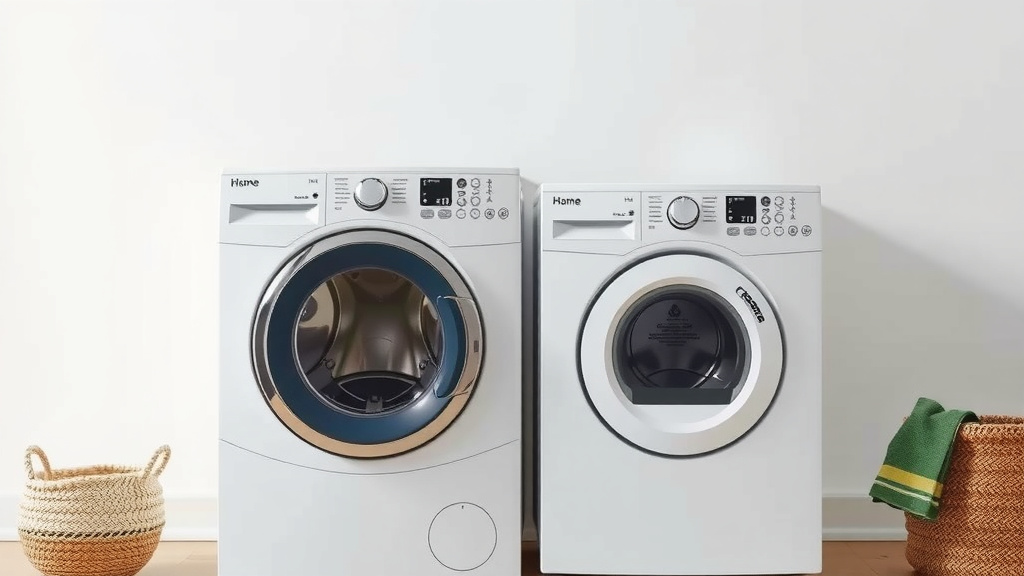
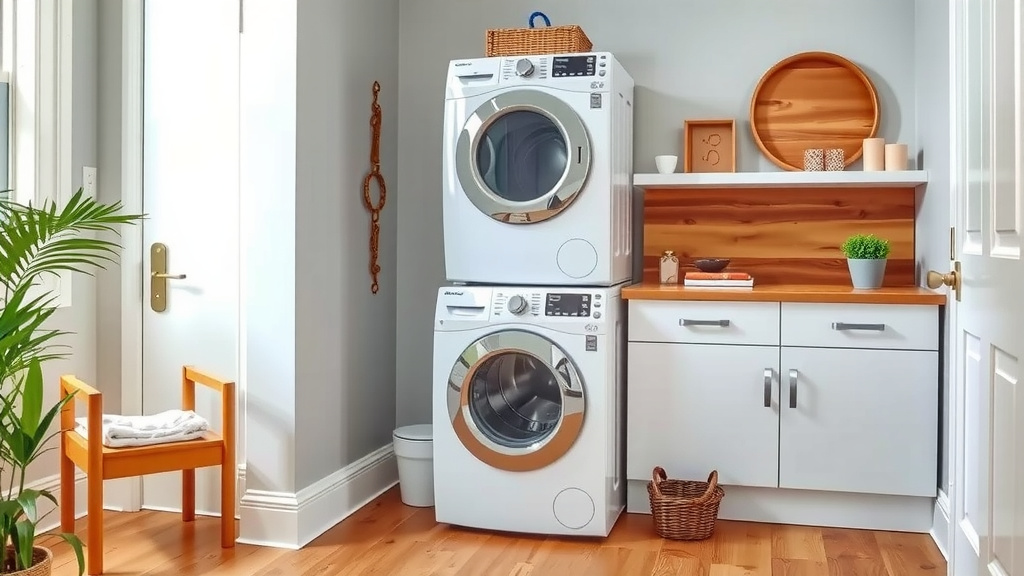
Stackable washer and dryer units are designed with space-saving in mind. They allow you to place the dryer directly on top of the washing machine. This vertical arrangement is a brilliant solution for apartments, condos, and smaller homes where floor space is a premium. They efficiently use vertical space, which is often underutilized.
Standard Widths: What to Expect
As we mentioned, 24 inches is the go-to width for most compact stackable washer dryer pairs. This is not just a random number; it’s a dimension that many apartment building codes and standard doorway widths can accommodate. It’s a size that balances capacity with a small footprint. You’ll see this measurement frequently listed across different brands and models.
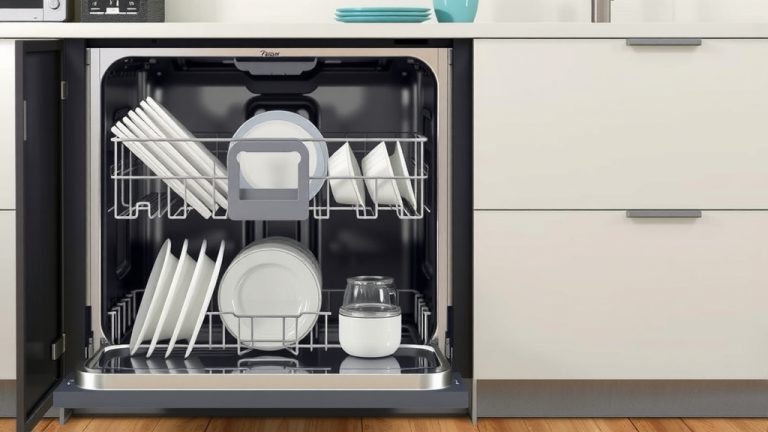
Think of it like this: many standard kitchen appliances, like dishwashers, are also around 24 inches wide. This common dimension makes it easier for builders and designers to incorporate laundry facilities into smaller living spaces. It’s a practical size that has become an industry standard for compact laundry.
Beyond the Standard: Even Slimmer Options
While 24 inches is common, you might be in a situation where even that feels a bit wide. If you’ve measured your space and found it to be just a hair under 24 inches, don’t despair! We’ve found that some manufacturers offer models that are specifically engineered to be a bit narrower. These can sometimes measure in at 23.5 inches.
These ultra-compact models are a true blessing for those with extremely limited laundry space. They might have slightly smaller drum capacities compared to their standard-sized counterparts. However, for individuals or couples living in tight quarters, the trade-off is often well worth it. Always double-check the exact specifications listed by the manufacturer.
Why Width is More Than Just a Number
It might seem obvious, but the width of your stackable unit is critical. It’s not just about fitting it through the door. It’s about ensuring proper ventilation, access for maintenance, and preventing damage to your walls or the appliances themselves. A unit that’s too wide can lead to a lot of frustration and potentially costly installation issues.
Ensuring a Proper Fit: Beyond Width
While width is your primary concern for the narrowest stackable units, don’t forget about the other dimensions. Height and depth are equally important. Stackable units can be quite tall when combined, so make sure you have adequate vertical clearance. You’ll need space for the appliance itself, plus any connections and ventilation.
Depth is also a factor, especially if your laundry area is in a walkway or a tight corner. You want to ensure you can open the doors fully and access the control panels without obstruction. We often recommend measuring your space and then comparing it to the appliance’s specs, leaving a little wiggle room on all sides.
Considering Installation and Clearance Needs
When you’re looking at the smallest widths, remember that the appliance needs a little breathing room. Manufacturers typically specify recommended clearances around the unit for airflow and safety. Even a 23.5-inch unit might require a space that’s slightly larger than its physical dimensions once these clearances are factored in.
For example, you might need an inch or two of space at the back for ventilation hoses and power cords. Similarly, allowing a small gap on the sides can prevent the unit from rubbing against walls, which can cause noise and damage. Always consult the installation manual for specific requirements. This detail is often overlooked but is super important for the longevity of your appliances.
Key Measurements to Remember for Small Spaces
To help you visualize and plan, here are the key measurements you should keep in mind when searching for a narrow stackable washer and dryer:
- Standard Minimum Width: ~24 inches
- Ultra-Compact Width: ~23.5 inches
- Typical Height (Stacked): 70-80 inches (varies greatly)
- Typical Depth: 27-30 inches (usually consistent)
Many people find that having a checklist helps them stay organized during the shopping process. It ensures you don’t miss a vital step. When you’re trying to maximize a small space, meticulous planning is your best friend.
What to Measure Before You Buy: A Quick Checklist
Before you click that “buy now” button, take a moment to run through this quick checklist. It will save you a headache later, trust us!
- Measure the width of your intended laundry space.
- Measure the height of your space, accounting for stacked units.
- Measure the depth of your space.
- Check door and hallway widths for delivery access.
- Note the location of water hookups and electrical outlets.
- Confirm manufacturer’s recommended clearance space.
Comparing Narrow Stackable Options
When you narrow down your search to the 23.5-inch to 24-inch range, you’ll notice a few brands that consistently offer these compact solutions. Some popular brands known for their compact laundry appliances include GE, LG, Samsung, and Frigidaire. They often have specific “apartment-sized” or “compact” lines.
We found that while the width might be similar, the features can differ. Some might offer energy-saving modes, while others might have specialized wash cycles. Consider what features are most important to you beyond just the size. Don’t forget to read reviews for insights into real-world performance and noise levels.
| Appliance Type | Width (in) | Depth (in) | Height (Stacked, in) |
|---|---|---|---|
| Compact Stackable Washer/Dryer | 23.5 – 24 | 27 – 30 | 70 – 80 |
| Standard Stackable Washer/Dryer | 27 – 29 | 29 – 33 | 75 – 84 |
| Apartment-Sized Front Load Washer | 24 | 27 – 30 | 33 – 35 |
This table gives you a general idea of how these narrow units compare to more standard sizes. Notice how the depth and height don’t always decrease as drastically as the width. This is because the internal drum size still needs to be functional. Many experts suggest that for most households, a 24-inch unit provides a good balance (Consumer Reports).
Conclusion
You’ve learned that the smallest stackable washer dryer widths typically hover around 24 inches, with some ultra-compact models hitting 23.5 inches. These dimensions are a lifesaver for maximizing laundry space in apartments and small homes. Remember, while width is key, don’t forget to measure height, depth, and necessary clearances to ensure a smooth installation and proper appliance function. Your next step is to grab your measuring tape, check the specifications of the narrowest units you can find, and confidently choose the best fit for your unique space.
Frequently Asked Questions
Are 24-inch stackable washer dryers good for small apartments?
Yes, 24-inch stackable units are specifically designed for apartment living. Their standard width makes them a popular choice for fitting into compact laundry closets or nooks. You get the convenience of a full washer and dryer setup without taking up too much floor space.
Can I fit a 24-inch stackable unit through a standard doorway?
Generally, yes. A 24-inch width is usually narrow enough to pass through most standard interior doorways, which are typically around 30-32 inches wide. However, it’s always wise to measure your doorways and hallways just to be absolutely sure, especially if you have any tight turns.
Do narrower stackable units have smaller capacities?
Often, yes. Ultra-compact models that are narrower than 24 inches might have slightly smaller drum capacities. This is a trade-off for fitting into extremely tight spaces. Consider your typical laundry load size when deciding if a smaller capacity is sufficient for your needs.
What is the minimum space needed for installation around a narrow stackable unit?
Manufacturers usually recommend specific clearances for airflow and maintenance. For narrow units, you might need a few inches at the back for ventilation and power cords, and a small gap on the sides. Always check the appliance’s installation manual for precise requirements.
Where can I find the exact dimensions for a specific narrow stackable washer dryer?
You can find the precise dimensions in the product specifications or spec sheet provided by the manufacturer. This information is typically available on the retailer’s website where you’re looking to purchase the appliance, or directly on the manufacturer’s own website.