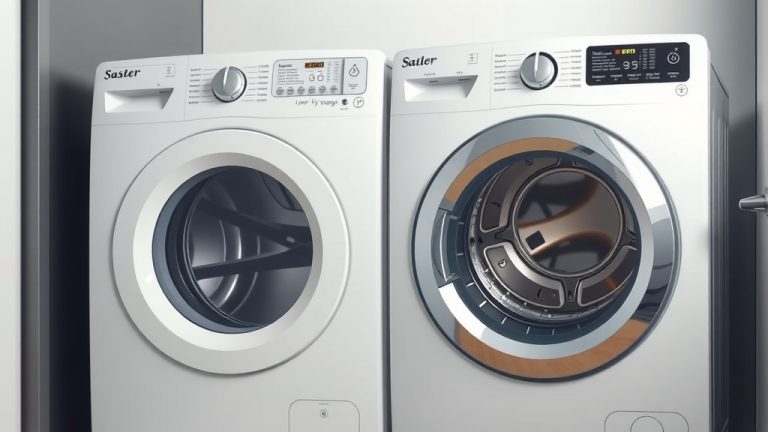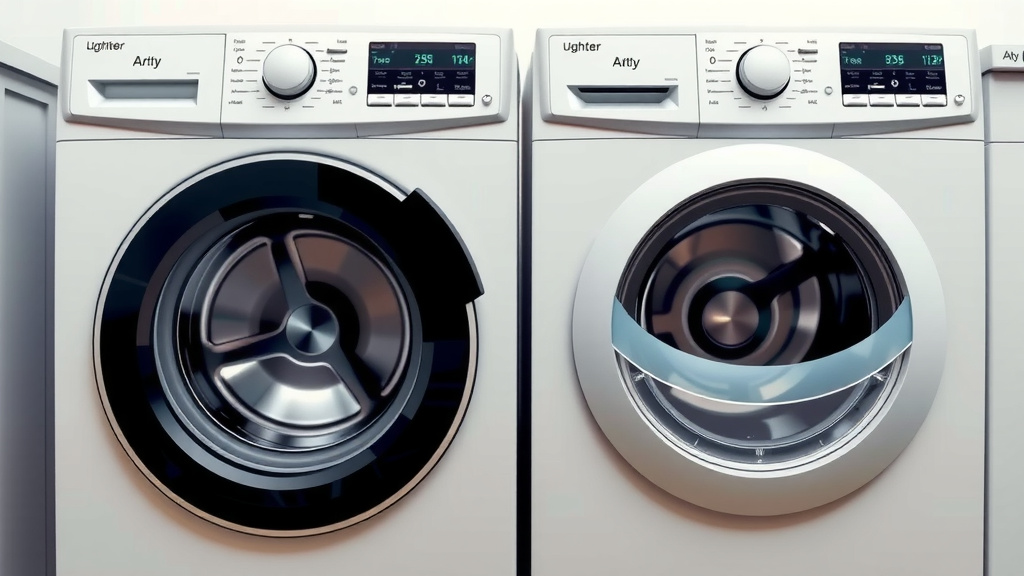
Agitator vs Non-Agitator Washers: Which is Best for You
When choosing a washing machine, understanding the difference between an agitator and non-agitator model is key. Non-agitator washers, often called High-Efficiency (HE) models, are generally gentler on clothes and use less water than their agitator counterparts, making them a more modern choice.
Agitator washers have a central post that twists and turns clothes. Non-agitator washers use a low-profile disc or impeller at the bottom to move clothes. Many research studies have found that HE washers offer better fabric care and energy savings, though some users prefer the robust cleaning of agitator models.
- Non-agitator washers are gentler and more water-efficient.
- Agitator washers offer a more vigorous clean.
- HE models often use less energy and detergent.
- Consider your fabric types and cleaning needs.
Let’s walk through exactly how each type works and what that means for your laundry day.
Understanding Your Washing Machine Options: Agitator vs. Impeller
Deciding between an agitator and a non-agitator washing machine can feel like a big choice. Both do the same job, but they go about it in very different ways. We’ll help you see which one might be the best fit for your laundry room. Understanding the cost of a washing machine is an important factor in your decision.
How Agitator Washers Get Your Clothes Clean
Agitator washing machines are the traditional workhorses you might remember from your childhood. They have a tall, central post, called an agitator, that sticks up in the middle of the drum. This post is the star of the show. It twists and turns, rubbing against your clothes to create friction. This action helps to loosen dirt and stains.
The Agitator’s Cleaning Action
Think of the agitator like a big paddle. It churns your clothes around in the water and detergent. This vigorous motion is very effective at tackling tough grime. It’s great for items like muddy jeans or heavily soiled work clothes. However, this rough and tumble action can be a bit hard on fabrics.
Water and Energy Usage in Agitator Models
Agitator machines typically use more water than their modern counterparts. They need enough water to fully cover the agitator and all the clothes. This means more water is used per load. They also tend to use more energy because the motor has to work harder to move the agitator. Many older models aren’t as energy-efficient as newer machines.
Exploring Non-Agitator (Impeller) Washers
Non-agitator washers, often called High-Efficiency (HE) washers, use a different approach. Instead of a tall post, they have a low-profile disc or an impeller at the bottom of the drum. This impeller has fins or raised surfaces that spin. It moves the water around the clothes rather than the clothes around a central post.
How Impellers Work Their Magic
The impeller spins and creates currents in the water. These currents move your clothes around the drum. They gently tumble and rub against each other. This method is much gentler on your garments. It helps prevent snagging, stretching, and wear. Many studies have shown this can lead to longer-lasting clothes (Consumer Reports).
Water and Energy Efficiency of HE Washers
One of the biggest benefits of non-agitator washers is their efficiency. They use significantly less water. Because they don’t need to fill the drum completely, they save a lot of water per load. This also means they use less energy to heat the water if you use hot cycles. They often require less detergent too, as HE detergents are formulated for low water levels.
Load Sizes and Capacity
You might notice that HE washers often have a larger drum capacity. Since there’s no agitator taking up space, you can fit more clothes in a single load. This can save you time by reducing the number of loads you need to run each week. It’s a great perk for larger families or for those who have a lot of laundry.
| Feature | Agitator Washer | Non-Agitator (Impeller) Washer |
|---|---|---|
| Cleaning Action | Central post twists clothes vigorously | Impeller spins, moving clothes gently |
| Fabric Care | Can be rougher on clothes | Gentler on fabrics, less wear |
| Water Usage | Higher water consumption | Lower water consumption (HE) |
| Energy Efficiency | Generally less efficient | Generally more efficient (HE) |
| Load Capacity | Typically smaller drum space | Often larger drum space |
| Detergent Use | Standard detergent | Requires HE detergent |
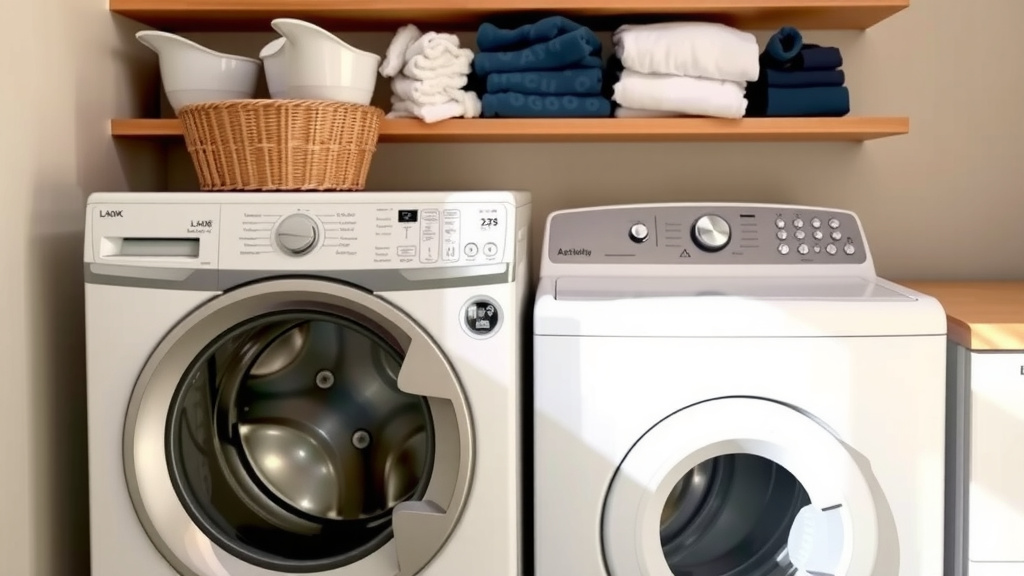
Which Type is Right for Your Laundry Needs?
When you’re deciding, think about what matters most to you. Do you have lots of heavily soiled items that need a deep clean? An agitator might appeal to you. Are you looking to save water and energy, and keep your clothes looking newer for longer? A non-agitator model could be the winner.
Consider Your Fabric Types
If you wash a lot of delicate items, like sweaters or fine blouses, the gentle action of an impeller is definitely a big plus. Clothes made from delicate materials can get stretched or damaged by the aggressive movement of an agitator. Many fabric care guides recommend gentler washing methods for longevity (Good Housekeeping).
Your Cleaning Habits and Preferences
Are you the type who tosses everything in and expects it to come out spotless, no matter what? The robust cleaning power of an agitator might feel more reassuring. If you don’t mind pre-treating stains or following specific washing instructions for different fabric types, an HE washer offers fantastic results with less wear and tear.
Budget and Long-Term Costs
While agitator models might sometimes have a lower upfront cost, consider the long-term savings with HE washers. The reduced water and energy bills can add up over the life of the machine. You might also find that your clothes last longer, meaning you replace them less often.
Making Your Final Decision: A Quick Checklist
To help you narrow it down, run through this quick checklist. It’s designed to focus on what really matters for your daily laundry routine.
- Prioritize Fabric Care: Do you want clothes to last longer?
- Consider Water/Energy Bills: Are you aiming for lower utility costs?
- Evaluate Load Size: How much laundry do you do at once?
- Think About Tough Stains: Do you often deal with heavy soiling?
- Factor in Detergent Type: Are you okay with using HE detergent?
- Review Your Budget: What’s your upfront and long-term cost goal?
Conclusion
Choosing between an agitator and a non-agitator washer boils down to your personal laundry priorities. Agitator models offer a powerful clean for tough jobs but can be harder on fabrics and use more resources. Non-agitator or HE washers provide excellent fabric care, save water and energy, and often handle larger loads. Think about your typical laundry items, your desire for efficiency, and how long you want your clothes to last. By considering these factors, you can confidently select the washing machine that will best serve your household needs for years to come.
Frequently Asked Questions
Are agitator washers really that bad for clothes?
Agitator washers can be rougher on fabrics due to the central post twisting and rubbing against clothes. Research suggests this can lead to increased wear and tear over time, potentially shortening the lifespan of your garments compared to gentler washing methods.
Can I use regular detergent in a non-agitator washer?
No, you should not. Non-agitator (HE) washers are designed to use less water, so they require High-Efficiency (HE) detergent. Regular detergents create too many suds in low-water environments, which can prevent clothes from rinsing properly and potentially damage the machine.
Do non-agitator washers clean as well as agitator washers?
While agitator models offer a vigorous clean for heavily soiled items, non-agitator washers have been found to clean effectively using different methods. They move clothes through the water with less friction, which many studies show is sufficient for most laundry needs while offering better fabric care.
Which type of washer is better for large families?
Non-agitator washers often have larger drum capacities because they lack the central agitator post. This means you can wash more clothes in a single load, which can save you time and energy if you’re doing multiple loads of laundry regularly.
Are agitator washers outdated?
Agitator washers are considered a more traditional design and may not offer the same water and energy efficiency as modern non-agitator models. While they remain effective for certain cleaning needs, newer technologies in HE washers often provide better performance in terms of fabric care and resource conservation.