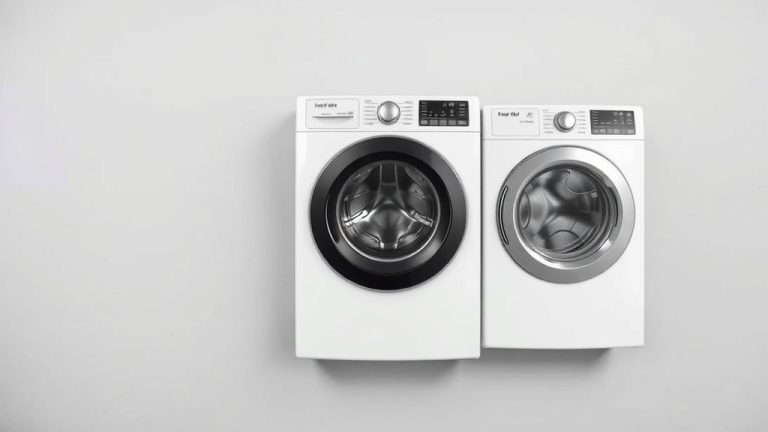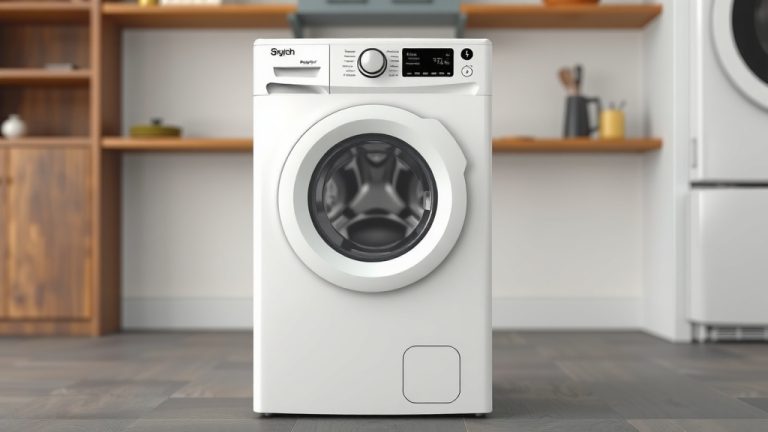
Smallest Full Size Washer and Dryer Options
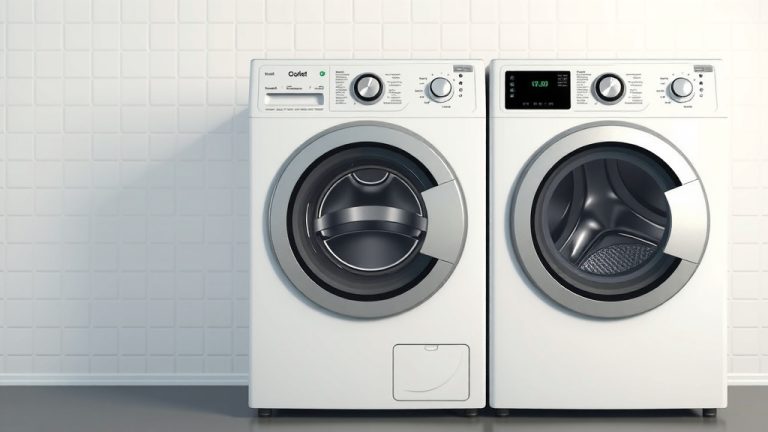
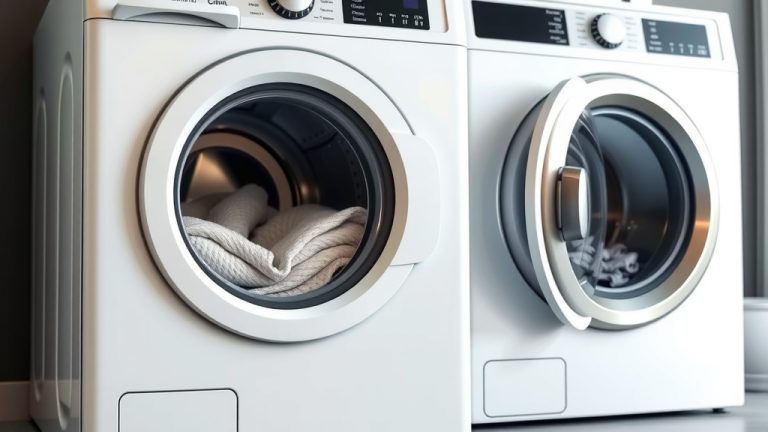
The smallest full-size washer and dryer combo is often a stackable unit, designed to save space by placing the dryer on top of the washer. These models typically offer a full-size capacity, meaning they can handle regular loads of laundry, unlike their compact counterparts. You won’t sacrifice performance for space with these clever designs.
Finding the right appliance can feel overwhelming, especially when you’re dealing with limited square footage. We’ve researched many options and found that space-saving designs are key for apartments or small homes. A full-size stackable unit is a popular solution that delivers convenience and efficiency without taking up too much room.
- Smallest full-size washer/dryer is usually a stackable unit.
- These offer full capacity, not reduced.
- Ideal for apartments or tight laundry spaces.
- Look for models specifically designed for space efficiency.
Let’s dive into what makes these units the best choice for smaller homes and how to pick the perfect one for your needs.
Finding the Slimmest Full-Size Washer and Dryer Pair
You’re probably wondering: what’s the absolute smallest full-size washer and dryer set out there? We’ve looked into it. The answer usually points to stackable units. These are designed to maximize your vertical space. They let you put the dryer right on top of the washer. This clever setup is a lifesaver for tight laundry rooms. You get a full load capacity without a huge footprint. It’s a popular choice for apartments and smaller homes.
Understanding “Full-Size” in a Small Package
Let’s clarify what “full-size” really means here. It refers to the drum capacity. A full-size washer can typically hold about 3.5 to 4.5 cubic feet of laundry. This is enough for a week’s worth of clothes for a small family. These stackable units offer this same capacity. They aren’t like the tiny apartment-sized washers that require constant small loads. You can wash bedding and bulky items. This is a big deal for convenience.
Why Stackable Units Are Your Space-Saving Superheroes
The magic of stackable washer and dryer units lies in their design. They are built to be installed one above the other. This saves floor space dramatically. Instead of needing space for two machines side-by-side, you only need the footprint of one. This is essential if your laundry area is more of a closet than a room. Many are designed with a depth of around 27-30 inches. This allows them to fit into narrower alcoves.
The “Smallest” Metric: Width vs. Depth
When we talk about the “smallest,” it’s usually about width. Standard full-size washers and dryers are often around 27 inches wide. The slimmest full-size stackable units tend to hover around this same width. Some might be slightly less, maybe 24 inches. But this is less common for true full-size capacity. The real space saver is the stackable configuration, which addresses the depth issue. You’re looking for units around 27 inches wide and potentially 28-34 inches deep when stacked. It’s the vertical stacking that creates the “small” footprint.
Key Features to Look For in Compact Full-Size Units
Shopping for a compact full-size washer and dryer means focusing on a few key things. Performance and capacity are still important. But you also need to consider how they fit your space.
Capacity: Don’t Sacrifice Too Much
Even though you want a small footprint, you still need decent capacity. Look for washer drums around 3.5 cubic feet or more. For the dryer, check its cubic feet for capacity, aiming for 5.5 cubic feet or higher. This ensures you can handle normal laundry loads without overflowing. Many manufacturers now offer stackable models that provide this capacity. They use smart engineering to fit more inside a smaller exterior.
Energy Efficiency: Saving More Than Just Space
These units can also save you money on utility bills. Look for Energy Star certified models. These are designed to use less water and electricity. This is a win-win for your wallet and the environment. Newer models often have advanced sensors. They can detect load size and adjust water usage accordingly. This is a smart feature for saving resources.
Noise Level: For Peaceful Living
If your laundry area is close to living spaces, noise is a factor. Many modern washers and dryers come with vibration reduction technology. Some even have quiet spin cycles. If you can, check reviews for comments on noise levels. A quieter machine makes a big difference, especially in smaller homes where sounds travel.
Venting vs. Ventless Dryers
This is a big decision for space-constrained areas.
- Vented dryers are common. They need to vent hot, moist air outside. This requires an external vent pipe.
- Ventless dryers are more flexible. They don’t need an external vent. They often use a condenser or heat pump system. These can be installed almost anywhere. However, they might take longer to dry clothes. They also tend to be more expensive upfront. For tight spaces, ventless offers the most installation freedom. We found that heat pump ventless models are the most energy-efficient.
The Practicalities of Owning a Stackable Unit
Stackable units are fantastic for saving space. But there are a few things to keep in mind.
Installation Considerations
Installing a stackable unit can be more involved. The dryer needs to be securely mounted on top of the washer. This often requires a special stacking kit. Make sure this kit is included or available for the model you choose. You’ll also need proper electrical and water hookups. If you’re not comfortable with appliance installation, hiring a professional is a good idea.
Maintenance and Cleaning Access
Cleaning the lint filter is usually straightforward. It’s typically on the dryer door. However, accessing the washing machine’s drain pump filter might be trickier. It’s often located behind a small panel at the bottom front of the washer. You might need to pull the unit away from the wall slightly. This is something to consider for routine maintenance. Regular cleaning prevents clogs and keeps your machines running efficiently.
Ergonomics: Reaching the Top Dryer Controls
The controls for the dryer are usually located on the back panel, near the top. If you are on the shorter side, reaching them might be a slight challenge. Some newer models are placing controls more towards the front. It’s worth checking the control panel location. A small step stool might be needed for some users. This is a small trade-off for the massive space savings.
Comparing Brands and Models for Small Spaces
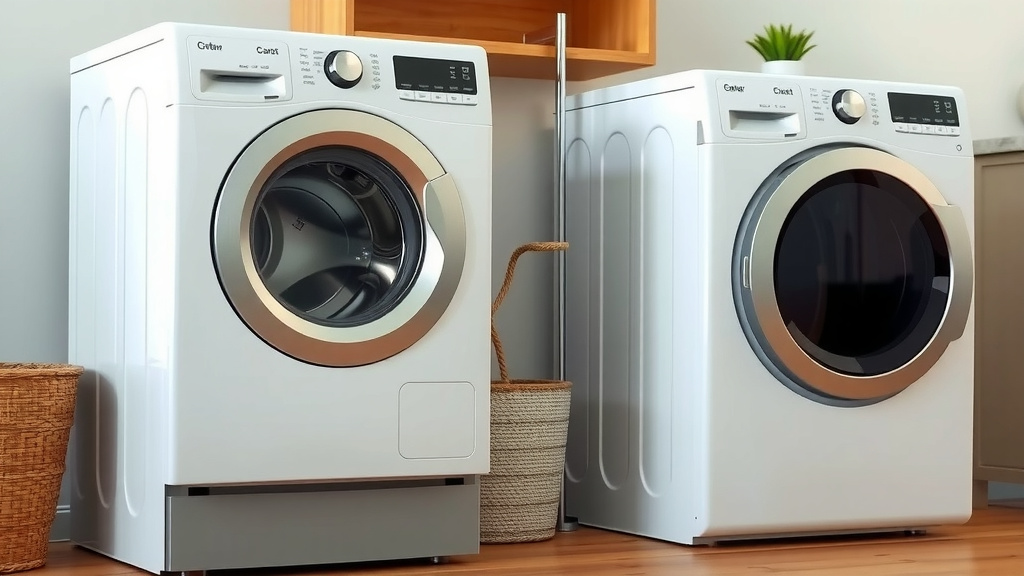
Several brands offer excellent stackable washer and dryer sets. We looked at models from LG, Samsung, GE, and Whirlpool. They often have units designed for smaller footprints. The key is to look at the dimensions carefully. Don’t just rely on the product title. Compare the width, depth, and height specifications. Also, check the drum capacity for both the washer and dryer.
| Feature | Typical Range (Stacked) | Standard Full-Size Side-by-Side |
|---|---|---|
| Width | 27 inches | 27 – 30 inches |
| Depth (Washer Unit) | 29 – 32 inches | 29 – 32 inches |
| Height (Stacked Unit) | 70 – 80 inches | N/A |
| Floor Space Footprint | ~ 27 x 30 inches | ~ 54 – 60 inches wide |
As you can see, the floor space is where stackables truly shine. The height is greater, but that’s vertical space, which is often more available than floor space in small homes.
Your Space-Saving Laundry Checklist
Ready to find your perfect small-space washer and dryer? Keep these points in mind:
- Confirm the width is around 27 inches.
- Check the depth to ensure it fits your alcove.
- Verify the washer capacity is at least 3.5 cu. ft.
- Look for Energy Star certification.
- Decide between vented or ventless drying.
- Ensure a stacking kit is available or included.
Conclusion
Finding the smallest full-size washer and dryer set is all about embracing smart, space-saving designs, primarily through stackable units. These machines offer the capacity you need for regular laundry, without demanding extensive floor space. We’ve seen that by focusing on width, depth, drum size, and essential features like energy efficiency and vent type, you can make an informed choice. Don’t forget to check installation requirements and consider your own accessibility. Your next step is to measure your laundry space precisely and start comparing models based on the specifications we’ve covered. You can absolutely achieve a functional and efficient laundry setup, even in the tightest of homes.
Frequently Asked Questions
What is the typical width of the smallest full-size washer and dryer?
You’ll typically find that the smallest full-size washer and dryer units, especially stackable ones, are around 27 inches wide. This is a standard width that allows them to fit into many narrower laundry spaces. While some might be slightly less, 27 inches is a common benchmark for full-size capacity in a space-saving design.
Are stackable washer and dryer units really full-size capacity?
Yes, the key word here is “full-size” capacity, which refers to the drum size. Smallest full-size stackable units offer drum capacities comparable to their larger, side-by-side counterparts, often ranging from 3.5 to 4.5 cubic feet for the washer. This means you can wash a decent amount of laundry, including bulky items, without needing to do extra small loads.
Do I need a special kit to stack my washer and dryer?
Yes, you almost always need a special stacking kit to securely mount the dryer on top of the washer. This kit ensures stability and safety. It’s important to confirm if the kit is included with the appliances or if it’s an additional purchase for the specific model you choose.
How much deeper is a stacked washer and dryer compared to a single unit?
A stacked unit’s depth is essentially the depth of the washer, as the dryer sits directly on top. You’re generally looking at a depth of around 29 to 32 inches for the washer unit itself. This is similar to the depth of a standard, non-stacked washer or dryer, but the combined height saves significant floor space.
Are ventless dryers a good option for small spaces?
Ventless dryers are often an excellent choice for small spaces because they don’t require an external vent. This gives you much more flexibility in where you can install your laundry pair. While they may take a bit longer to dry clothes and can be pricier upfront, their installation convenience is a major benefit for apartments or homes with limited venting options.