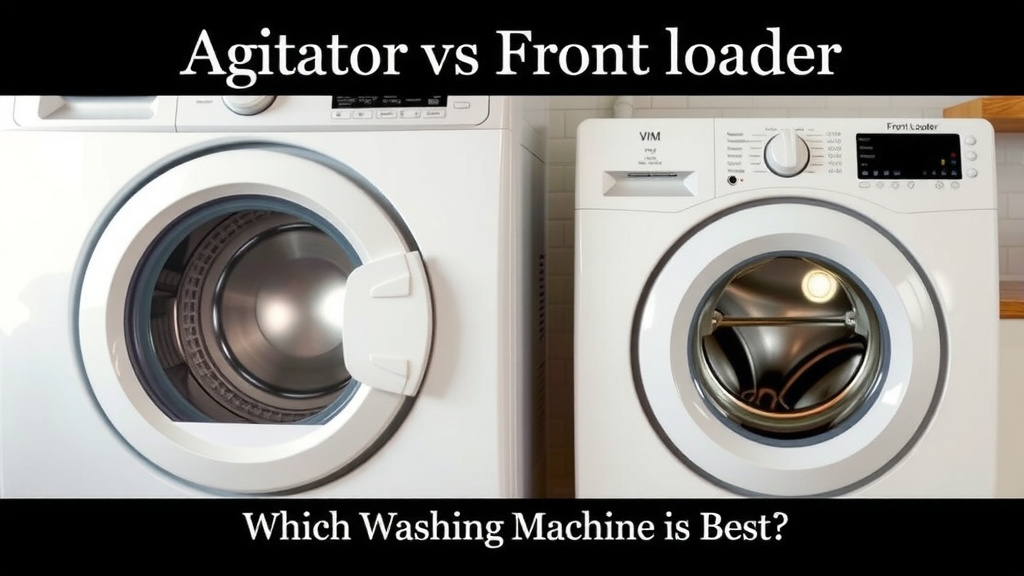
Agitator vs Front Loader: Which Washing Machine is Best
When choosing between an agitator and a front loader washing machine, the best choice for most households is typically a front loader because they use less water and are gentler on clothes. Agitator models, while powerful at cleaning, can be rougher and may cause more wear and tear over time.
Both types of washing machines get your clothes clean. But they go about it in very different ways. An agitator uses a central post to twist and turn clothes. A front loader tumbles them, like a dryer does. We found that understanding these cleaning methods helps you pick the right machine for your laundry needs.
TL;DR:
- Front loaders are generally more water-efficient.
- Agitators can be tougher on fabrics.
- Front loaders often have more wash cycles and features.
- Agitators are usually less expensive upfront.
- Consider your budget and how you wash clothes.
Let’s dive deeper into the differences between agitator and front loader washers so you can decide which one is right for your home.
Agitator vs. Front Loader: How They Clean Your Clothes
Choosing a new washing machine can feel overwhelming. You’ve got options! Two popular types are agitator and front loader models. They clean your clothes differently. We found understanding these differences helps you pick the best one for your laundry needs.
How an Agitator Washer Works
An agitator washer uses a central post, usually with fins. This post twists and turns your clothes. It rubs them against each other and the post. This motion helps to scrub away dirt and grime. Many people grew up with these machines. They’re known for getting clothes really clean.
Agitator models are often top-loading. You lift the lid to put clothes in. The agitator stands tall in the middle of the drum. It takes up space, which means less room for your laundry. We found that this method can be effective for heavily soiled items.
How a Front Loader Washer Works
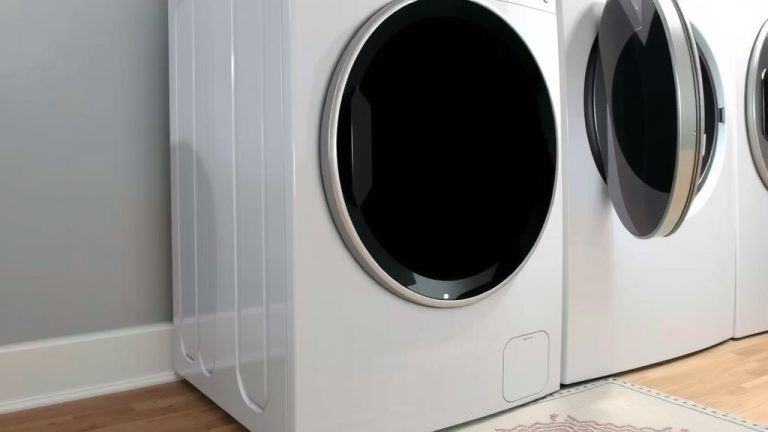
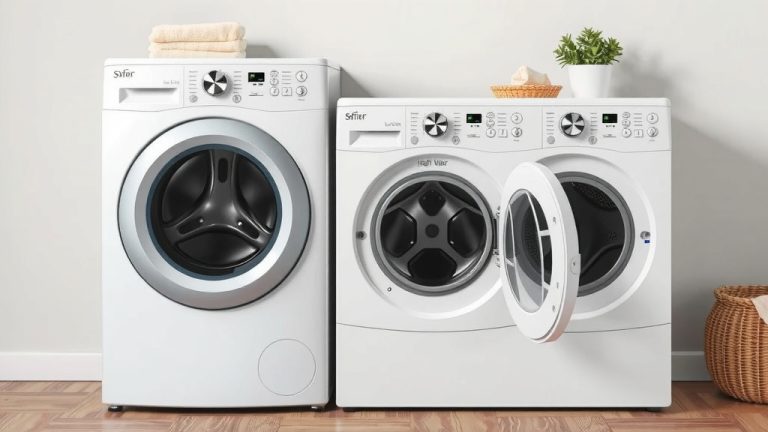
A front loader washer tumbles your clothes. It works much like a dryer. The drum rotates, lifting clothes up and then dropping them back down. Water is added to the bottom of the drum. This tumbling action uses gravity and the washing action. It’s a gentler way to clean your fabrics.
Front loaders are also top-loading for putting clothes in. But the door is on the front. The drum spins on its side. This design allows for more capacity. We found that this tumbling action is kinder to your clothes over time.
Comparing Key Features: Agitator vs. Front Loader
When you’re comparing washing machines, a few key areas stand out. How they use water, how tough they are on clothes, and what fancy features they offer are important. Let’s break it down.
Water and Energy Efficiency
One of the biggest differences is water usage. Front loaders are champions of water conservation. They use much less water per load. This is because the drum only fills partially. The tumbling action doesn’t need a full tub of water to work.
Agitator washers, on the other hand, typically fill the entire tub. They need more water to cover the clothes and allow the agitator to move freely. Many studies have shown that front loaders can save you money on your water bills. They are also better for the environment.
Gentleness on Fabrics
How your clothes feel after washing is important. Agitator models can be quite rough. The vigorous twisting and pulling action can cause stretching and snagging. Over time, this can lead to clothes wearing out faster. This is especially true for delicate items.
We found that front loaders are much gentler. The tumbling action is less aggressive. Clothes rub against each other, but without the intense pulling of an agitator. This means your favorite shirts and softer fabrics are likely to last longer.
Wash Cycles and Features
Modern washing machines come with a variety of cycles. Front loaders often boast more wash cycles and customization options. You might find settings for steam cleaning, sanitizing, or extra-rinse options. They also tend to have higher spin speeds, which extract more water.
Agitator washers usually have simpler controls. They focus on basic wash and rinse cycles. While some advanced models exist, they generally offer fewer specialized features compared to front loaders. For a straightforward wash, an agitator can be sufficient.
Capacity and Load Size
When it comes to how much you can wash, there’s a difference. Because the agitator takes up space in the center of the drum, agitator washers often have a smaller usable capacity. You might have to do more loads if you have a large family.
Front loaders typically offer larger capacities. The drum is a clear space. This means you can wash bigger loads. You might even be able to wash bulky items like comforters more easily. This can save you time by reducing the number of wash cycles needed.
Price Point and Maintenance
Upfront cost is a consideration for many buyers. Generally, agitator washers tend to be less expensive to purchase. They are often considered a more budget-friendly option. Their simpler design might also mean fewer complex parts to break.
Front loaders usually have a higher initial price tag. They often come with more advanced technology and features. However, their water and energy efficiency can lead to savings over time. Maintenance for both types is similar, though front loaders may require occasional cleaning of the door seal to prevent mold.
Making Your Choice: A Quick Checklist
To help you decide, consider these points. Which sounds most like your laundry routine?
- Do you wash a lot of heavily soiled items?
- Is water efficiency a top priority for your budget?
- Are you washing delicate fabrics frequently?
- Do you prefer a simpler machine or one with many features?
- What is your budget for a new washing machine?
- Do you need to wash large items like bedding often?
By thinking through these questions, you can get closer to finding the perfect washer for your home. Both types have their strengths, and the “better” choice really depends on your personal needs and preferences.
Conclusion
Choosing between an agitator and a front loader washer comes down to your priorities. If you need a powerful, budget-friendly option for tough stains, an agitator might be your pick. But if you’re after water savings, gentler fabric care, and more advanced features, a front loader is likely the better investment. We’ve seen that front loaders often win out for efficiency and fabric longevity. Consider your budget, laundry habits, and the types of clothes you wash most often. Your next step is to look at specific models that fit your needs and start enjoying cleaner clothes with less hassle!
Frequently Asked Questions
Which type of washer is better for delicate clothes?
Front loaders are generally better for delicate clothes. Their tumbling action is much gentler than the vigorous twisting of an agitator. We found that this reduces snagging and stretching, helping your delicate items last longer.
Can agitator washers handle large loads?
While agitator washers can hold a good amount of clothes, the central agitator takes up space. This can sometimes limit the effective capacity for very bulky items or extremely large loads. Front loaders often provide more usable space for bigger laundry piles.
Do front loaders really save on water bills?
Yes, front loaders are significantly more water-efficient. They only fill the drum partially for their tumbling action. Research consistently shows they use considerably less water per load compared to agitator models, which can lead to noticeable savings.
Which type of washer is typically more expensive?
Generally, front loader washing machines have a higher upfront cost than agitator models. Agitator washers are often seen as the more budget-friendly option. However, the long-term savings in water and energy with front loaders can offset the initial price difference.
How often should I clean my washing machine?
It’s a good idea to clean both types of washers regularly. For front loaders, pay attention to the door seal to prevent mold and mildew buildup. For agitator models, ensure the detergent dispenser and tub are kept clean. A monthly clean is usually sufficient for most households.