Secure Your Dryer on Washer: Step-by-Step Guide
Yes, you can and absolutely should secure your dryer on top of your washer using a stacking kit. This is the safest way to prevent accidents and damage. Without proper securing, your dryer could tip over, causing injury or destruction. A well-installed stacking kit keeps everything stable.
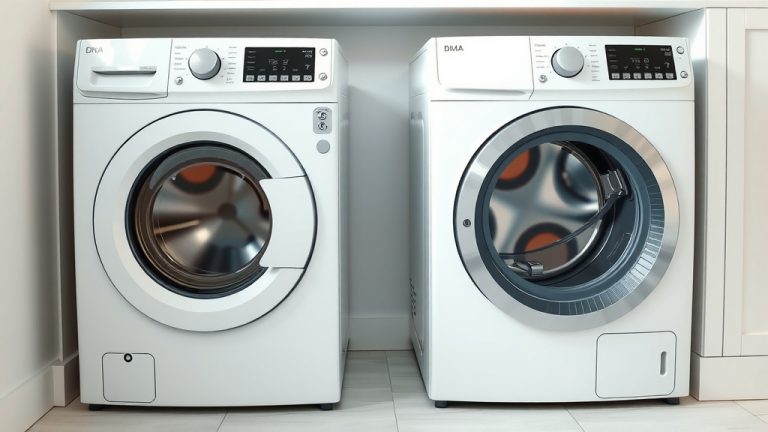
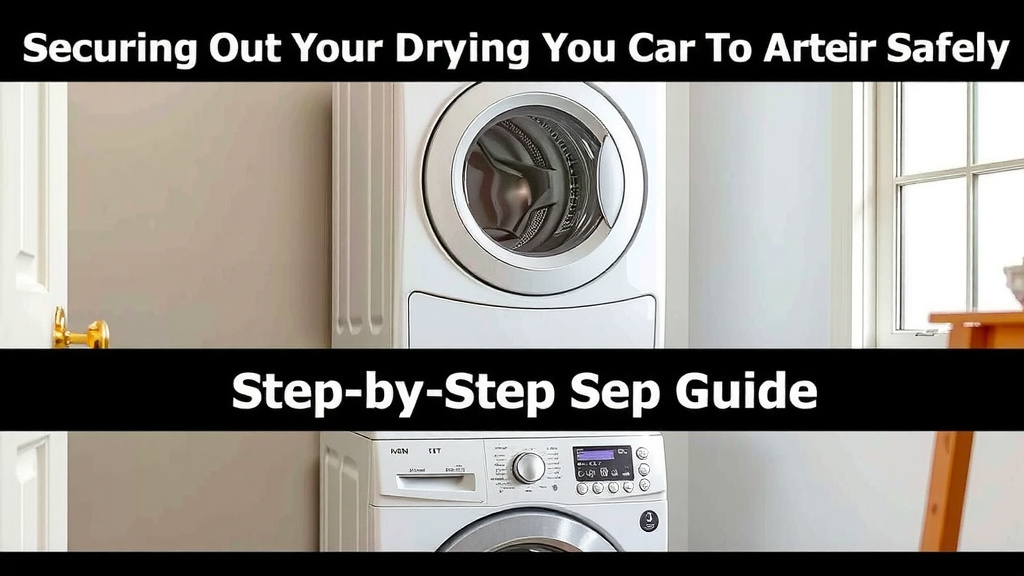
When setting up a stacked washer and dryer, stability is key. Manufacturers design these units for such configurations when the correct stacking hardware is used. This method not only saves space but also ensures your appliances function without the risk of them shifting or falling. You’ll want to make sure you have the right kit for your specific models.
- Use a dedicated stacking kit for safety.
- This kit secures the dryer to the washer.
- It prevents tipping and potential damage.
- Always check your appliance manuals.
Let’s walk through exactly how to get your dryer safely stacked on your washer, step by step.
Securing Your Dryer on Top of Your Washer Safely
So, you’re ready to stack your laundry appliances. That’s a smart move for saving precious space! But before you place that dryer on top of the washer, you need to make sure it’s secured. This isn’t just a suggestion; it’s a **critical safety step**. Think of it like buckling up your car seat – it’s non-negotiable for preventing a serious mishap.
We found that many people wonder if this is even possible. The short answer is yes, with the right equipment. A dedicated stacking kit is your best friend here. It’s designed to create a stable connection between the two machines. Without it, you’re risking a major accident. Let’s get this done right!
Why Securing is Non-Negotiable
Imagine your dryer, perched precariously on your washer. During a spin cycle, vibrations can cause movement. Without a secure connection, this movement can escalate. The dryer could slowly creep forward, or worse, topple over. This can lead to significant damage to both appliances and your home. It also poses a serious **risk of injury** to anyone nearby.
Many experts highlight that modern washers and dryers are heavy. They also operate with powerful motors that generate vibrations. A stacked setup amplifies these forces. Proper anchoring ensures the entire unit remains stable and safe for everyone in your household. It’s about creating a safe and efficient laundry area.
Choosing the Right Stacking Kit
Not all stacking kits are created equal. The first step is identifying the **correct kit for your specific appliance models**. This is where your appliance manuals come in handy. Manufacturers usually specify which kits are compatible with their washers and dryers. Don’t just grab any kit off the shelf; you need a precise match.
We recommend checking the brand names and model numbers of both your washer and dryer. Then, consult the manufacturer’s websites or your appliance manuals. You can often find a compatibility checker. Using a kit that isn’t designed for your machines can lead to instability, even if it seems to fit. It’s like trying to force a square peg into a round hole – it just won’t work safely.
What to Look for in a Stacking Kit
A good stacking kit usually includes straps, brackets, or a combination of both. These components are designed to physically connect the dryer to the washer. They create a strong bond that resists movement. Some kits also include non-slip pads to further enhance stability. We found that kits made from durable materials, like heavy-duty plastic or metal, tend to last longer.
Consider the ease of installation as well. While some kits might require drilling, many are designed for tool-free attachment. Read reviews to see what other users say about the installation process and the kit’s overall performance. A **well-regarded kit** will give you peace of mind.
Steps to Secure Your Dryer
Now that you have your kit, let’s get down to business. This process is generally straightforward. It’s important to have a helper, especially when lifting the dryer. Safety first, always!
Preparation is Key
Before you start, make sure both the washer and dryer are **clean and dry**. Remove any dust or debris from the top of the washer and the bottom of the dryer. You’ll also need to disconnect both appliances from their power sources. For dryers, this means unplugging the power cord and, if it’s a gas dryer, turning off the gas valve. Ensure the water hoses for the washer are also disconnected if you need to move them.
Positioning the Washer
If your washer isn’t already in place, position it first. Make sure it’s level and stable. You might need to adjust the feet of the washer to achieve this. A level appliance is the foundation for a stable stack. If the washer rocks, the entire setup will be compromised.
Attaching the Stacking Kit Components
Follow the instructions that came with your specific stacking kit. Generally, you’ll attach one set of components to the back of the washer and the corresponding components to the bottom of the dryer. This might involve screws, clips, or straps. Ensure everything is **securely fastened** according to the manufacturer’s directions.
Pre-Installation Check
Before you even think about lifting the dryer, double-check that all parts of the kit are correctly installed on both the washer and the dryer. Are the screws tight? Are the straps taut? It’s easier to fix a mistake now than later. We found that taking a moment for this **pre-installation check** saves a lot of hassle.
Lifting and Placing the Dryer
This is where your helper comes in handy. Carefully lift the dryer and position it on top of the washer. Align it so it sits centered and flush with the back of the washer, if that’s how the kit is designed. Gently lower it into place.
Connecting the Dryer to the Washer
Once the dryer is resting on the washer, it’s time to connect the kit’s final pieces. This usually involves engaging the straps or brackets to create the secure link. Ensure the connection is **snug and firm**. You should feel a solid bond between the two appliances.
Final Checks and Testing
With the dryer secured, give it a gentle push from different angles. It shouldn’t wobble or shift excessively. Reconnect the power and water (if applicable) to both appliances. Run a short, empty cycle on the washer and then the dryer to check for any unusual noises or movements. If everything feels stable, you’ve successfully secured your dryer!
When to Call a Professional
While installing a stacking kit is often a DIY project, there are times when you might want to call in an expert. If you’re uncomfortable with lifting heavy appliances, or if the installation instructions seem overly complicated for your specific setup, it’s best to get help. Some older homes may also have unique plumbing or electrical configurations that require professional attention.
Many appliance installation services offer stacking as part of their setup. This can be a great option if you’re buying new appliances and want the peace of mind that comes with **professional installation**. They have the right tools and experience to ensure everything is done safely and correctly.
A Quick Checklist for Stacking Success
- Confirm your washer and dryer models are stackable.
- Purchase the correct stacking kit for your models.
- Ensure both appliances are clean and level.
- Follow the stacking kit’s instructions precisely.
- Have a helper for lifting the dryer.
- Test the stability after installation.
Conclusion
You’ve learned that securing your dryer on top of your washer is absolutely essential for safety and appliance longevity. Using a dedicated stacking kit is the best way to prevent dangerous tip-overs and damage. We’ve guided you through choosing the right kit for your specific models and the step-by-step installation process. Taking these precautions ensures your stacked laundry setup is stable and secure. Now, take a deep breath and get that stacking kit installed to enjoy your space-saving solution with peace of mind!
Frequently Asked Questions
Do I really need a special stacking kit?
Yes, you absolutely do. A specialized stacking kit is engineered to safely and securely connect your specific dryer model to your washer. Attempting to stack without one poses a serious risk of the dryer shifting, tipping, or falling, which can cause injury and significant damage.
What if my washer and dryer aren’t the same brand?
You can often still stack them, but it’s crucial to find a universal stacking kit or one specifically designed for mixed brands. Always check the compatibility guidelines provided by the stacking kit manufacturer and your appliance manuals to ensure a secure fit.
Can I use something other than a stacking kit, like bungee cords?
We strongly advise against using makeshift solutions like bungee cords or straps not designed for appliance stacking. These methods lack the stability and strength required to safely secure a heavy appliance like a dryer. Only use a manufacturer-approved stacking kit for your appliances.
How much weight can a stacking kit support?
Stacking kits are designed to support the weight of the specific dryer models they are compatible with, plus the forces generated during the spin cycle. The manufacturer’s specifications for the stacking kit will usually indicate its load-bearing capacity, which is ample for standard home dryers.
What if my stacking kit requires drilling into the appliances?
Some stacking kits do require minor drilling. If you’re not comfortable with this, or if your appliances are still under warranty and drilling would void it, look for a “no-drill” or strap-based stacking kit. Alternatively, consider hiring a professional installer who can perform the task safely.