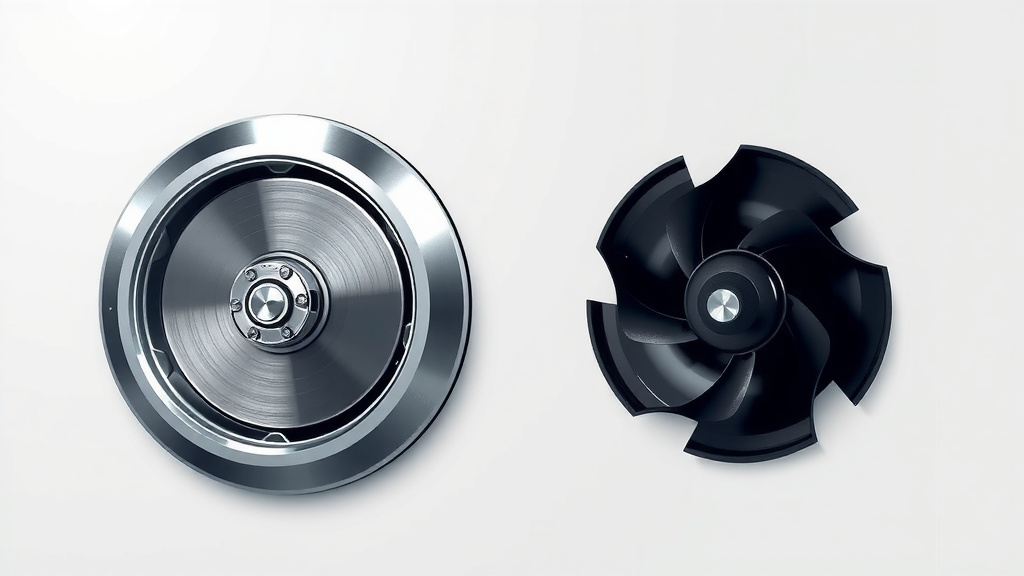
Agitator vs Impeller Washer Reddit Guide
When choosing between an agitator vs. impeller washer, the main difference lies in how they clean your clothes. An agitator has a central post that twists and turns, while an impeller uses a low-profile plate or disc. Both methods are effective, but impellers tend to be gentler on fabrics.
You might be wondering which one is best for your laundry needs. While agitator washers can handle larger loads, impeller models often offer more wash cycles and a larger capacity within the same drum size. We found that the gentler action of impellers can lead to less wear and tear on your garments over time.
- Agitator washers have a central post that moves clothes.
- Impeller washers use a spinning plate or disc.
- Impellers are generally gentler on clothes.
- Agitators can handle larger, heavier loads more easily.
- Impeller washers often offer more space for your laundry.
Let’s break down the differences between agitator and impeller washing machines so you can figure out which one fits your laundry routine perfectly. Our guide to washing machine costs can help you budget for your purchase.
Agitator vs. Impeller Washers: What’s the Real Difference?
Choosing the right washing machine can feel like a big decision. You’ve seen the terms “agitator” and “impeller” thrown around. Let’s break down what these mean for your laundry day. We found that the core difference is how they move your clothes. This affects cleaning power, fabric care, and even how much laundry you can fit in.
Understanding the Agitator: The Classic Approach
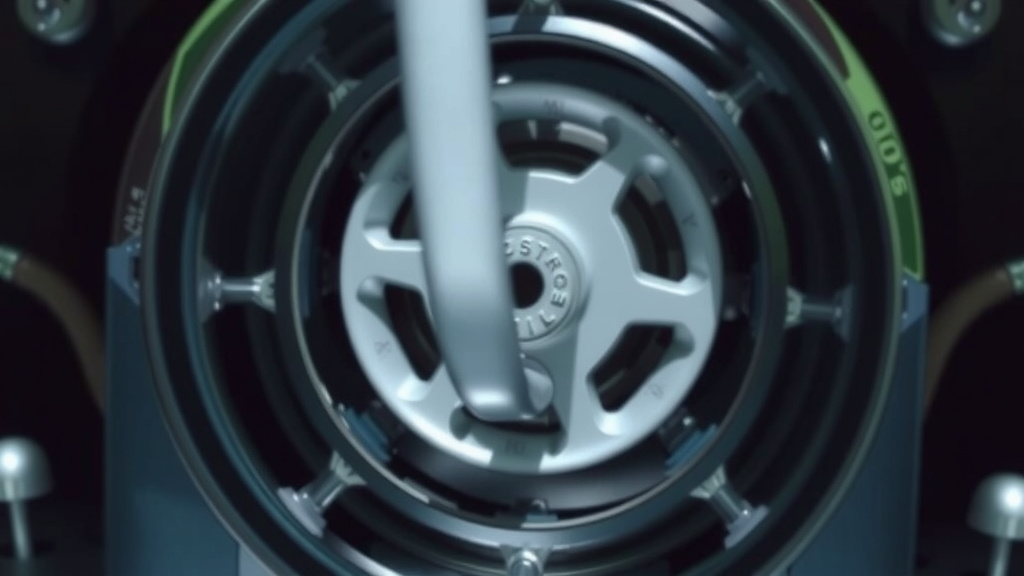
Think of the agitator as the traditional workhorse of the laundry world. It’s that tall, central post you’ve probably seen in older washing machines. This post has fins or blades that twist and turn. Its main job is to vigorously move your clothes around in the water. We found that this action is great for scrubbing out tough stains.
How the Agitator Works
The agitator spins back and forth, creating a powerful churning motion. This forces water and detergent through the fabric fibers. It’s a very hands-on cleaning method. Many people love it because it feels like it’s really getting the dirt out. We found that this method can be quite effective on heavily soiled items.
Pros of Agitator Washers
- Effective for tough stains: The strong scrubbing action helps lift dirt.
- Handles large loads well: They can often accommodate bulky items.
- Familiar operation: Many people are used to how they work.
Cons of Agitator Washers
While effective, agitators aren’t perfect. Their aggressive cleaning can be harsh on your clothes. We found that this can lead to more wear and tear over time. Delicate fabrics might not fare as well. Also, the agitator itself takes up space, reducing the overall capacity compared to some other models.
Exploring the Impeller: The Modern Alternative
The impeller is a newer design that’s becoming very popular. Instead of a central post, it uses a low-profile disc or plate at the bottom of the drum. This impeller spins, creating currents that move the water and clothes. We found that this method is generally much gentler on your laundry.
How the Impeller Works
The impeller spins at high speeds, generating a powerful water flow. This flow circulates the clothes around the drum. It’s more like a swirling motion than a direct scrub. Many experts suggest this gentler action helps prevent snagging and stretching. We found that this approach is ideal for keeping clothes looking newer for longer.
Pros of Impeller Washers
- Gentle on fabrics: Less wear and tear on your clothes.
- Larger capacity: No central post means more space for laundry.
- More wash cycles: Often come with a wider variety of settings.
Cons of Impeller Washers
While gentle, impellers might not tackle extremely heavy stains as effectively as agitators. You might need to pre-treat very stubborn spots. Some users also find they don’t feel as “powerful” as agitator models. We found that performance can vary between different impeller designs.
Key Differences at a Glance
To help you visualize, let’s compare them side-by-side. We put together some key points to consider when you’re making your choice.
| Feature | Agitator Washer | Impeller Washer |
|---|---|---|
| Cleaning Mechanism | Central post twists and churns clothes | Low-profile disc spins to create water currents |
| Fabric Care | Can be harsher, causing more wear | Generally gentler, less wear and tear |
| Capacity | Agitator takes up space, limiting load size | No central post, usually offers more space |
| Stain Removal | Often better for very tough, ground-in stains | May require pre-treatment for extreme stains |
| Water Usage | Typically uses more water to cover agitator | Often designed for high-efficiency, less water |
Which Type is Right for Your Household?
So, how do you decide? Think about your typical laundry load. Do you often wash bulky items like comforters or sleeping bags? An agitator might be a good fit. Are you concerned about keeping your clothes in great shape for as long as possible? An impeller would be a wise choice. We found that many modern families are leaning towards impeller models for their efficiency and fabric care.
Consider the types of clothes you wear most often. If you have a lot of delicate items or activewear that requires gentle handling, an impeller is likely your best bet. Many manufacturers are also improving the cleaning power of impeller designs. They often come with specialized cycles. We found that these cycles can mimic some of the cleaning power of agitators.
Here’s a quick checklist to help you decide:
- Do you prioritize gentle fabric care?
- Do you often wash large, bulky items?
- Are you looking for the largest possible capacity?
- Do you frequently deal with extremely tough, set-in stains?
- Is energy and water efficiency a major concern?
- Do you prefer a more traditional washing machine feel?
By answering these questions, you can start to see which washer type aligns best with your needs. We found that considering these factors upfront can save you a lot of laundry day headaches down the line.
Conclusion
You’ve learned the core differences between agitator and impeller washing machines. Agitators offer robust cleaning for tough stains and bulky loads with their classic post design. Impellers provide a gentler wash, ideal for fabric care, and typically offer more capacity and cycles. We’ve seen that the best choice depends on your laundry habits. Consider what matters most: fabric longevity, load size, or tackling stubborn dirt. Review your typical laundry needs and decide which cleaning style will serve your household best. Your next step is to visit a local appliance store or browse online to see these models in person and find the one that fits your laundry routine perfectly.
Frequently Asked Questions
Are impeller washers truly better for clothes than agitators?
Yes, research and user reports generally indicate that impeller washers are gentler on fabrics. Their cleaning action circulates clothes using water currents, which causes less friction and stretching compared to the vigorous twisting of an agitator. This means your clothes may last longer and show less wear and tear over time.
Can agitator washers handle larger loads than impeller washers?
Typically, agitator washers can handle large and bulky items well because their design is built for robust movement. However, impeller washers often offer a larger usable capacity within the same drum size. This is because the impeller itself takes up less space than a central agitator post, allowing you to fit more clothing.
Do impeller washers clean as effectively as agitator washers for tough stains?
Agitators are often praised for their ability to scrub out tough, ground-in stains due to their aggressive action. Impellers might require pre-treatment for extremely stubborn spots, as their cleaning method relies more on water circulation. However, many modern impeller models have advanced cycles that improve their stain-fighting capabilities.
Which type of washer uses less water?
Impeller washers, especially High-Efficiency (HE) models, are generally designed to use less water. They don’t need as much water to submerge the clothes or the cleaning mechanism. Agitator washers, on the other hand, often require more water to operate effectively and cover the central post.
Is an impeller washer quieter than an agitator washer?
This can vary by model and brand, but many users report that impeller washers tend to operate more quietly than agitator washers. The absence of a large, central post moving back and forth can lead to less mechanical noise. We found that modern designs often incorporate noise-reduction features in both types.