How to Install a Dryer on Top of a Washer Safely
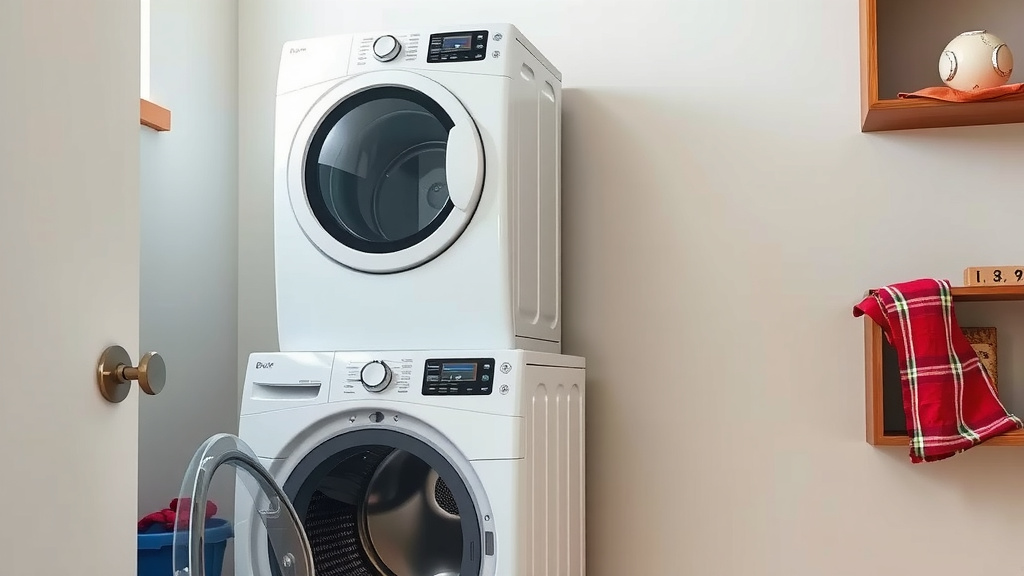
Yes, you can absolutely install a dryer on top of a washer, but it requires a specific dryer stacking kit. This kit is designed to securely connect the two appliances, preventing movement and ensuring stability. Proper installation is key for safety and efficiency when maximizing your laundry space.
Stacking your laundry appliances is a popular space-saving solution for many homes. It’s a great way to fit a full-sized washer and dryer into smaller laundry rooms or closets. We found that using the correct stacking components is essential for a safe and reliable setup.
- Use the correct dryer stacking kit.
- Ensure both appliances are compatible.
- Secure the connection between the washer and dryer.
- Check manufacturer guidelines for specific models.
Let’s walk through exactly how to get your dryer safely stacked on top of your washer, step by step.
Setting Up Your Dryer Above Your Washing Machine
You’ve got a smart idea to save precious space. Stacking your dryer on top of your washing machine is a fantastic way to gain floor space in your laundry area. We’ve researched the best practices, and it all comes down to using the right stacking kit. It’s not as complicated as it might seem, and with a few steps, you’ll have your laundry room optimized.
Choosing the Right Dryer Stacking Kit
Think of the stacking kit as the bridge connecting your washer and dryer. Not all kits are created equal. You absolutely need one designed for your specific dryer model. Many manufacturers offer their own kits. Trying to use a generic one can lead to instability and potential safety issues. We found that checking your dryer’s manual or the manufacturer’s website is the first vital step. This ensures you get a kit that fits perfectly. This kit typically includes brackets, straps, or a frame that locks the two units together. It’s designed to prevent tipping and excessive movement during operation.
Ensuring Appliance Compatibility
Before you buy a stacking kit, you need to make sure your washer and dryer are even compatible for stacking. Generally, front-loading washers and dryers are the ones you can stack. Top-loading machines don’t typically have a flat top surface suitable for supporting another appliance. We also found that the dimensions matter. The dryer should be roughly the same width as the washer. Sometimes, a slightly narrower dryer can work if the kit is designed for it, but a wider dryer on top is a definite no-go. It’s like trying to balance a dinner plate on top of a teacup; it’s just not stable. Always check the specifications for both your washer and dryer. Many appliance manufacturers will list compatibility details or recommend specific stacking kits for their models.
Washer and Dryer Dimensions Check
Take out your tape measure. You’ll want to measure the width and depth of both your washer and dryer. You’re looking for a close match. The dryer should ideally be the same width or slightly narrower than the washer. Depth is also important, though usually less of an issue than width. If your dryer is significantly deeper than your washer, it might overhang. This can affect stability and access to controls. We recommend measuring the actual appliance, not just relying on online specs, as sometimes there are slight variations.
Gathering Your Tools and Supplies
Once you have your compatible appliances and the correct stacking kit, it’s time to get your toolkit ready. You’ll typically need a few basic tools. A Phillips head screwdriver is almost always necessary. You might also need a drill with appropriate bits, a level, and possibly a wrench or pliers, depending on the specific kit. It’s always a good idea to have these on hand before you start. You don’t want to be halfway through the installation and realize you’re missing a key tool! We also suggest having a helper; it makes moving the dryer much safer and easier.
Step-by-Step Installation Guide
Let’s break down the process. Taking it one step at a time makes it manageable. Remember, safety is your top priority here. If at any point you feel unsure, it’s better to stop and call a professional.
Preparing the Washer
First things first: unplug both appliances. You don’t want any electrical accidents. Then, you’ll need to move the washer slightly away from the wall. This gives you enough space to work behind it and connect the dryer. Make sure the washer is on a stable, level surface. Use your level tool to check this. If it’s not perfectly level, adjust the feet on the washer until it is. A wobbly washer is a recipe for a wobbly stack. Many appliance experts suggest this initial leveling as a critical step for overall stability.
Attaching the Stacking Kit to the Dryer
This is where your specific stacking kit instructions come into play. Most kits will have you attach some sort of bracket or frame to the back or bottom of the dryer. Follow the kit’s manual precisely. You’ll likely be screwing pieces into the dryer’s chassis. Ensure all screws are tightened securely. We found that some kits have a plastic base that attaches to the dryer, which then sits on the washer. Others use metal straps that wrap around. The goal is to create a secure connection point.
Positioning the Dryer on the Washer
This is the big moment! With your helper, carefully lift the dryer. Gently place it on top of the washer. You want the dryer to be centered on the washer’s top surface. Some stacking kits will have guides or a specific way the dryer needs to sit. Align the attached brackets or base on the dryer with the corresponding parts or markings on the washer. Make sure it feels snug and secure. Don’t force it. If it’s not fitting easily, re-check your alignment and the kit instructions.
Securing the Dryer to the Washer
Now, you’ll complete the connection. This usually involves attaching straps, locking mechanisms, or screws that go from the dryer’s kit component to the washer. This is the step that prevents the dryer from shifting or falling. Double-check that all connections are tight and that there’s no significant wiggle room. We recommend giving the dryer a gentle push from different angles to test its stability. It should feel like one solid unit, not two separate appliances stacked precariously.
Connecting the Utilities
Once the dryer is securely in place, it’s time to reconnect everything. Make sure the dryer’s exhaust vent hose is properly connected to the wall vent. This is crucial for preventing lint buildup and potential fire hazards. Many safety guidelines emphasize proper ventilation. Then, plug in both the washer and the dryer. Ensure the water hoses are reconnected correctly to the washer if you had to disconnect them.
Final Checks and Testing
Before you load your first pile of laundry, run a test cycle. Start with a short cycle on the washer, then a short drying cycle. Listen for any unusual noises or vibrations. Use your level again on the top of the dryer to ensure everything is still sitting straight. Check that the dryer isn’t wobbling excessively during the spin cycle of the washer or the tumbling of the dryer. This final check is your assurance that everything is installed correctly and safely. We found that running these tests helps catch any minor adjustments needed before you rely on the setup daily.
Maintenance Tips for Your Stacked Setup
Maintaining your stacked laundry system is key to its longevity and safety. Regular checks will catch potential issues early. It’s like giving your car an oil change; it prevents bigger problems down the road.
Regular Inspection of Connections
We recommend visually inspecting the stacking kit connections every few months. Make sure screws are still tight and straps are secure. Check for any signs of wear or damage on the kit itself. If you notice any loosening, tighten it up immediately. This simple check can prevent major accidents.
Cleaning Lint Traps and Vents
This is something you should already be doing, but it’s even more important when stacked. A clogged lint trap or vent is a fire hazard. Clean the dryer’s lint trap after every single load. We also advise cleaning the dryer vent hose and the exterior vent cap periodically. This ensures good airflow and reduces the risk of overheating. Many fire safety organizations highlight proper vent cleaning as a top priority (National Fire Protection Association).
Keeping the Area Clear
Ensure the area around and behind your stacked units remains clear. Don’t store laundry baskets, detergents, or other items where they could block airflow or become a tripping hazard. Good ventilation around the appliances helps them run more efficiently and prevents overheating.
Check for Levelness Periodically
Appliances can sometimes settle or shift over time, especially on certain flooring. Periodically, maybe once a year, use your level to check if the washer and dryer are still sitting straight. If they’ve become unlevel, adjust the appliance feet as needed. This keeps the units stable and running smoothly.
When to Call a Professional
While many people can successfully stack their own laundry appliances, there are times when it’s best to get expert help. Don’t hesitate to call a professional if you encounter any of these situations. Your safety and the integrity of your appliances are worth it.
Uncertainty About Compatibility
If you’ve done your research and are still unsure if your specific washer and dryer models can be stacked, or if the stacking kit is the right one, a professional installer can confirm. They have experience with various brands and models.
Lack of Proper Tools or Space
If you don’t have the necessary tools, or if your laundry space is extremely confined and makes the process difficult and unsafe, it’s wise to hire someone. Trying to force it in a tight spot can lead to damage or injury.
Experiencing Unusual Noises or Vibrations
After installation, if you notice excessive noise, shaking, or instability during operation, don’t ignore it. A professional can diagnose the problem, whether it’s an issue with the stacking kit, the installation, or the appliances themselves.
If the Stacking Kit Instructions Are Unclear
Some stacking kit instructions can be confusing. If you’ve read them multiple times and still don’t understand a step, it’s better to have someone experienced guide you through it. Clear instructions are vital for a safe installation.
Conclusion
You’ve learned that stacking your dryer on your washer is a smart space-saving move, achievable with the right tools and careful steps. We’ve seen that choosing the correct stacking kit and ensuring appliance compatibility are non-negotiable for a safe setup. By following our step-by-step guide, from preparation to final checks, you can confidently optimize your laundry space. Remember to perform regular maintenance and don’t hesitate to call a professional if you feel unsure.
Ready to get started? Gather your kit and tools, and take the first step towards a more organized laundry area today!
Frequently Asked Questions
Can I stack a dryer on any washer?
No, you generally cannot stack a dryer on any washer. Only front-loading washers and dryers are designed for stacking. Top-loading machines typically have an uneven top surface that cannot safely support another appliance.
Do I really need a dryer stacking kit?
Yes, a dryer stacking kit is essential for safely installing a dryer on top of a washer. It’s specifically engineered to secure the two appliances together, preventing movement and potential tipping during operation.
What if my dryer is a different brand than my washer?
You can often stack dryers and washers from different brands, but compatibility is key. Always check the specifications for both your dryer and washer, and ensure the stacking kit you choose is designed to work with both models.
How do I know if my appliances are compatible in size?
You’ll need to measure your washer and dryer. For stable stacking, the dryer should ideally be the same width or slightly narrower than the washer. A dryer that significantly overhangs the washer front or sides is generally not recommended.
Is it safe to stack my own dryer and washer, or should I hire someone?
Many homeowners can safely stack their appliances by following instructions carefully. However, if you lack the right tools, feel uncertain about compatibility, or have a very confined space, hiring a professional installer is a wise choice for your safety and peace of mind.