Agitator vs Infusor Washers: Which is Right for You
When choosing a new washing machine, understanding the difference between an agitator and an impeller is key to getting the cleanest clothes. An Our guide to the best-rated top-loading washing machine can help you choose.agitator washer uses a central post to twist and turn clothes, while an impeller washer uses a low-profile cone or disc to move them around. For most loads, the impeller’s gentler, more efficient approach often wins out, but agitators can handle tougher stains and larger items better.
Both designs aim to get your laundry clean, but they go about it in different ways. Your clothes will experience different levels of friction and water movement depending on which type you choose. We found that knowing these differences can help you make a smarter purchase for your household’s specific needs. It’s about finding the right fit for your laundry routine and budget.
- Agitators have a central post that twists clothes.
- Impellers use a low-profile cone or disc for movement.
- Impellers are generally gentler and more energy-efficient.
- Agitators can be tougher on fabrics but better for heavy loads.
- Your choice depends on your laundry habits and fabric types.
Let’s dive into the specifics of each type to help you decide which washer technology is the best match for your laundry needs.
Agitator vs. Impeller Washers: What’s the Real Difference for Your Laundry?
So, you’re in the market for a new washing machine. It can feel like choosing a car sometimes, right? You’ve got all these options, and the technology can get pretty confusing. Today, we’re focusing on two main types of top-load washers: the agitator and the impeller. They both get your clothes clean, but they do it very differently. Let’s break down which one might be the **best fit for your household**.
How Agitator Washers Get Clothes Clean
Think back to those old-school washing machines. Chances are, they had a tall, finned post right in the middle of the drum. That’s the agitator. Its job is to move clothes around forcefully. It twists and turns, rubbing fabrics against each other and the agitator itself. This action helps to loosen dirt and stains from the fibers.
The Agitator’s Cleaning Mechanism
The agitator has fins or blades that extend along its length. As it rotates back and forth, it creates a powerful washing action. This motion forces water through the clothes, helping to remove soil. We found that this vigorous scrubbing is very effective at tackling tough stains and heavy grime. It’s like a workout for your laundry!
Pros of Using an Agitator Washer
Agitator washers excel when you have particularly dirty items. They can handle bulky loads like comforters or sleeping bags with ease. Many people find they get their clothes noticeably cleaner, especially when dealing with mud or grease. They’re also quite straightforward to use, with less complex internal mechanisms.
Cons of Agitator Washers
The main drawback? Agitators can be hard on fabrics. The constant friction can cause wear and tear over time, leading to pilling or stretching of clothes. They also tend to use more water and energy compared to impeller models. You might need to use more detergent to get the most out of the wash cycle.
Understanding Impeller Washers: A Gentler Approach
Impeller washers, also known as high-efficiency (HE) top-loaders, have a different strategy. Instead of a central post, they use a low-profile disc or cone at the bottom of the drum. This component is the impeller. It gently moves clothes around using less water and less friction.
The Impeller’s Washing Action
The impeller spins and tumbles clothes through a smaller amount of water. It creates currents that lift and circulate the laundry. This method is much gentler on your garments. We found that this action is more about efficient movement than brute force. It’s designed to prevent clothes from getting tangled or stretched.
Pros of Using an Impeller Washer
Impeller washers are known for their gentle treatment of fabrics. This means your clothes tend to last longer. They also use significantly less water and energy, which can save you money on utility bills. Many models offer larger capacities because there’s no central agitator taking up space. This allows for bigger loads, which is a nice perk!
Cons of Impeller Washers
While gentler, impeller washers might struggle with heavily soiled items. The less vigorous action means tough stains may require pre-treatment. Some users also report that clothes can sometimes get tangled at the bottom of the drum. You might also notice that the wash cycles can sometimes be longer.
Agitator vs. Impeller: A Direct Comparison
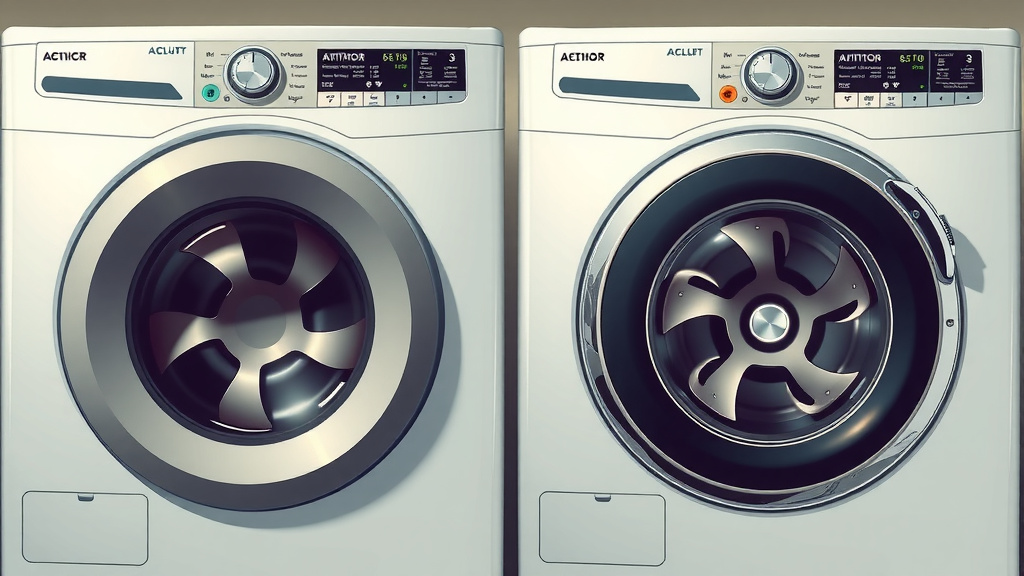
Let’s put these two head-to-head. Choosing between them often comes down to your priorities. Do you need maximum cleaning power for tough jobs, or do you prioritize fabric care and efficiency? We’ve put together a quick comparison to highlight the key differences.
| Feature | Agitator Washer | Impeller Washer |
|---|---|---|
| Cleaning Action | Forceful twisting and rubbing | Gentle tumbling and water currents |
| Fabric Care | Can be rougher on clothes | Much gentler on fabrics |
| Water Usage | Higher | Lower |
| Energy Usage | Higher | Lower |
| Load Size Capacity | Generally smaller | Generally larger |
| Stain Removal (Heavy) | Excellent | Good (may need pre-treatment) |
| Tangled Clothes | Less likely | Can sometimes occur |
Making the Right Choice for Your Laundry Needs
So, which one is right for you? It really depends on your lifestyle and what you typically wash. Consider these points when making your decision.
Your Typical Laundry Loads
If your family works outdoors, plays sports, or frequently deals with mud and grease, an agitator might be your best bet. The powerful wash action can tackle those deep-down dirt issues effectively. Many research studies show agitators are effective for heavily soiled items (NCBI).
On the other hand, if you mostly wash everyday clothes, delicates, or items that don’t get extremely dirty, an impeller washer will likely serve you well. It’s also a great choice if you’re concerned about keeping your clothes looking new for longer.
Fabric Care and Longevity
We found that users who prioritize keeping their clothes in top condition often lean towards impeller models. The gentler action means less stress on the fibers. This can extend the life of your wardrobe significantly. If your favorite sweater is precious, an impeller is likely the way to go.
Efficiency and Your Budget
Impeller washers are generally more energy and water-efficient. This means lower utility bills over time. While the initial purchase price might be similar, the long-term savings can add up. It’s an eco-friendly choice that also benefits your wallet.
Quick Checklist: Which Washer Is Best For You?
To help you decide, ask yourself these quick questions:
- Do you frequently wash heavily soiled items like work clothes or sports gear?
- Are you concerned about clothes wearing out too quickly?
- Do you want to save on water and energy bills?
- Do you often wash large, bulky items like blankets?
- Do you prefer a machine that requires less pre-treatment for stains?
- Is a larger drum capacity a priority for you?
Conclusion
Choosing between an agitator and an impeller washer comes down to your personal laundry needs. If you often tackle tough stains and heavy grime, the forceful cleaning action of an agitator may be best for you. For those prioritizing gentle fabric care and long-term savings on water and energy bills, an impeller washer is likely the smarter choice. Both have their strengths, but by understanding how they work, you can make a confident decision that keeps your clothes looking great and your utility bills manageable. Consider your typical laundry loads and fabric types carefully to pick the perfect machine for your home.
Frequently Asked Questions
Can agitator washers damage my clothes?
Yes, the vigorous scrubbing action of agitator washers can cause more wear and tear on fabrics over time. This can lead to pilling or stretching, especially with delicate items. If fabric longevity is a top concern, you might prefer a gentler option.
Are impeller washers really more water-efficient?
Yes, impeller washers use significantly less water than traditional agitator models. They rely on tumbling clothes through a smaller water volume to clean them. This reduced water usage also contributes to lower energy consumption.
Which type of washer is better for large families?
For large families with potentially heavy or frequent loads, both can work. Agitator models excel at cleaning heavily soiled items often found in active households. However, impeller models often offer larger capacities, allowing you to wash more clothes at once, which can also be a big help.
Do impeller washers get clothes as clean as agitator washers?
Impeller washers are very effective for everyday laundry and moderate soil levels. However, for extremely tough stains or heavy grime, the more forceful action of an agitator may provide superior results. You might need to pre-treat tough stains with an impeller washer.
Can I wash bulky items like comforters in both types of washers?
Agitator washers are generally better equipped to handle large, bulky items like comforters without issue. Impeller washers can also wash them, but you need to ensure the item fits comfortably without over-packing the drum to allow for proper circulation.