Agitator vs Impeller Washers: Which is Best for You
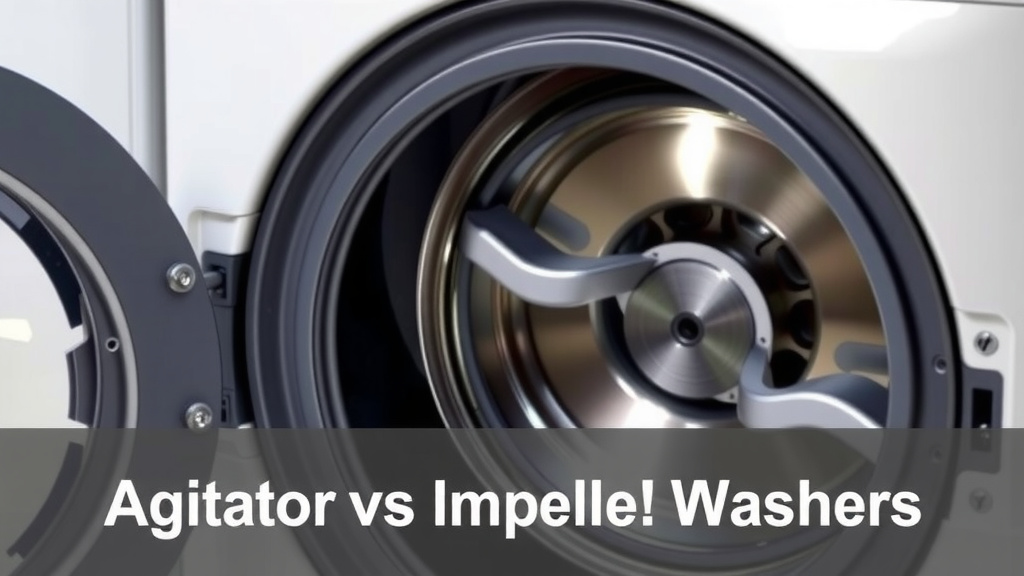
The main difference between a washer with an agitator and one with an impeller comes down to how they clean your clothes: agitator models use a central post to twist and turn clothes, while impeller models use a low-profile disc to move them. Agitator washers tend to offer a more powerful clean for heavily soiled items, whereas impeller washers are gentler on fabrics and can often hold larger loads.
Many people wonder which type is better for their laundry needs. We found that agitator machines are often older designs, while impeller machines are a more modern approach found in many high-efficiency (HE) washers. Both have their own pros and cons for different types of laundry and user preferences. Understanding these differences can help you choose the best fit for your home and laundry routine.
- Agitator washers have a central post that twists clothes.
- Impeller washers use a low-profile disc to move clothes.
- Agitators are tougher on clothes but great for heavy dirt.
- Impellers are gentler and usually allow for bigger loads.
- Impeller models are common in modern HE washing machines.
Let’s dive deeper into what makes each type unique and how they might impact your laundry day.
Understanding Washer Cleaning Mechanisms: Agitator vs. Impeller
The way your washing machine cleans clothes is central to its function. You might be wondering about the different cleaning systems available. We found that the main distinction lies in how they move your laundry. This guide will help you understand the core differences between agitator and impeller models.
The Agitator: A Traditional Approach to Laundry
An agitator washer is what many people picture when they think of a traditional washing machine. These models have been around for a long time. They use a familiar design to get your clothes clean.
How an Agitator Works
The defining feature of an agitator washer is the tall, central post. This post has fins or blades. During the wash cycle, this post twists and turns. It moves back and forth vigorously. This action forces water through the fabric. It also rubs clothes against each other. This scrubbing motion is designed to remove tough dirt and stains. Think of it like a vigorous scrub brush for your clothes.
Pros of Agitator Washers
- Powerful cleaning: Agitators are known for their strong cleaning action. They are excellent for heavily soiled items like work clothes or sports uniforms. Research indicates this powerful action can be very effective on embedded dirt (Good Housekeeping Institute).
- Familiarity: Many people grew up with agitator washers. The operation is straightforward and easy to understand.
- Durability: Some older agitator models are known for their robust build. They can last for many years with proper care.
Cons of Agitator Washers
- Tough on fabrics: The vigorous motion can cause wear and tear on your clothes over time. Delicate items might not fare well in an agitator machine.
- Smaller load capacity: The central agitator takes up space. This often means you can’t wash as large of a load compared to other types.
- Water usage: Many agitator models require more water to fill the tub completely. This can lead to higher utility bills.
The Impeller: A Modern, Gentle Cleaning System
Impeller washers represent a newer approach to laundry. They are commonly found in high-efficiency (HE) machines. Their design focuses on a different way to move clothes through the water.
How an Impeller Works
Instead of a tall central post, impeller washers have a low-profile disc at the bottom of the tub. This disc has fins or ridges. During the wash cycle, the impeller spins. It creates currents and turbulence in the water. This causes clothes to rub against each other and the impeller. The movement is gentler than an agitator. It helps to lift and separate dirt from the fabric. Many experts suggest this method is kinder to your garments (Consumer Reports).
Pros of Impeller Washers
- Gentle on clothes: The impeller’s action is less harsh. This is ideal for preserving the life of your clothing. It’s a good choice for everyday wear and more delicate fabrics.
- Larger capacity: Without a central agitator, the tub is more open. This allows you to wash bigger loads of laundry. You can fit more clothes in a single cycle.
- Water and energy efficiency: Most impeller models are HE. They use less water and energy. This is better for your wallet and the environment.
Cons of Impeller Washers
- May struggle with heavy stains: While good for general cleaning, some users find they may need pre-treatment for very tough stains. The cleaning action is not as aggressive as an agitator.
- Clothes can tangle: Sometimes, clothes might get tangled around the impeller. This is less common but can occur.
- Learning curve: Some newer HE machines can have more complex settings. Understanding the optimal way to load them for best results might take a little practice.
Direct Comparison: Agitator vs. Impeller
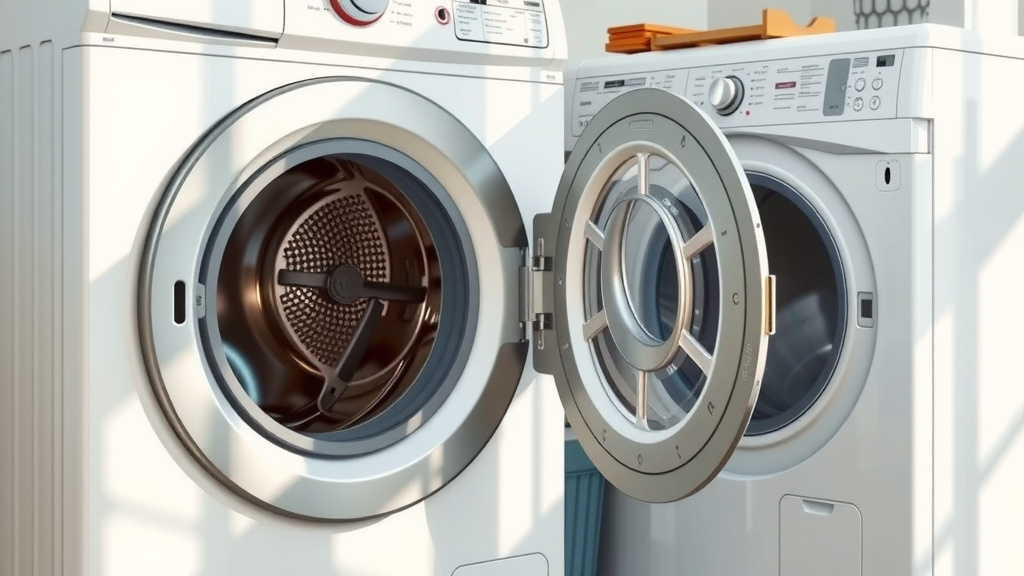
Let’s break down the key differences in a clear format. This table provides a quick look at how these two systems stack up.
| Feature | Agitator Washer | Impeller Washer |
|---|---|---|
| Cleaning Action | Tall central post twists and turns clothes vigorously. | Low-profile disc creates water currents and gentle friction. |
| Fabric Care | Tougher on clothes, can cause wear. | Gentler on fabrics, preserves clothing life. |
| Load Size | Smaller capacity due to central post. | Larger capacity, more open tub space. |
| Stain Removal | Excellent for heavy dirt and tough stains. | Good for general cleaning; may need pre-treatment for tough stains. |
| Water Usage | Often uses more water. | Typically uses less water (HE models). |
| Machine Type | Traditional top-load design. | Modern top-load design, common in HE washers. |
Making Your Choice: What’s Best For You?
Deciding between an agitator and an impeller depends on your priorities. Consider what matters most for your laundry routine.
Who Should Choose an Agitator?
If you frequently deal with heavily soiled laundry, an agitator might be your best bet. Think about muddy sports gear or grease-stained work clothes. If maximum cleaning power for tough dirt is your main goal, the agitator is a strong contender. Many families with active members find this type very effective.
Who Should Choose an Impeller?
For those who prioritize fabric care and larger loads, an impeller is likely the better choice. If you want your clothes to last longer and you often wash big loads of bedding or towels, this system shines. It’s also ideal if you’re looking to save water and energy. Impeller washers are a great fit for busy households that need efficiency and gentleness.
Key Considerations for Your Decision
To help you finalize your choice, think about these points:
- How often do you wash heavily soiled items?
- Is gentle fabric care a top priority for you?
- Do you prefer to wash large loads at once?
- Are water and energy efficiency important to your household budget?
- What is your comfort level with newer technology?
- What is your budget for a new washing machine? Consider your budget for a new washing machine, as costs can vary significantly.
Conclusion
You’ve learned that agitator washers offer powerful cleaning for tough jobs with their vigorous central post. On the other hand, impeller washers provide a gentler clean and larger capacity using a low-profile disc, often found in efficient HE machines. Your choice hinges on whether you prioritize raw cleaning power for heavily soiled items or fabric preservation and bigger loads. Consider your most frequent laundry needs and how you want your clothes to be treated. Now you can confidently select the washing machine that best suits your household’s routine and preferences, ensuring cleaner clothes with less wear and tear.
Frequently Asked Questions
Can I wash delicates in an agitator washer?
It’s generally not recommended to wash delicate items in a washer with a traditional agitator. The strong, twisting motion can cause stretching, snagging, and premature wear on more fragile fabrics. You might need to use a mesh laundry bag for extra protection if you must use an agitator machine for delicates.
Do impeller washers clean as effectively as agitators?
Impeller washers are very effective for general cleaning and everyday loads. They excel at lifting dirt and keeping clothes separated. However, for extremely heavy, caked-on dirt or tough stains, an agitator’s more aggressive action might provide a slightly more powerful clean. Most users find impeller performance more than adequate for typical laundry needs.
Which type of washer is better for large households with lots of laundry?
For large households, an impeller washer is often the better choice. Its larger capacity means you can wash more clothes at once, potentially reducing the number of loads you need to do. The gentler cleaning action is also beneficial when dealing with a high volume of varied clothing types.
Are impeller washers always high-efficiency (HE) models?
Impeller washers are most commonly found in high-efficiency (HE) washing machines. This is because their design allows for reduced water usage and more efficient operation. While you might find some non-HE impeller models, the vast majority of HE top-load washers utilize an impeller system.
Will an agitator washer damage my clothes over time?
Yes, the vigorous scrubbing action of an agitator can lead to increased wear and tear on your clothes over time. This is more noticeable on softer fabrics, darker colors (like pilling), and items with elastic. If extending the life of your garments is a high priority, an impeller machine would be a gentler option.