Finding the Best Dishwasher for Your Kitchen
A good dishwasher cleans your dishes thoroughly without requiring you to pre-rinse them. It should also be energy-efficient and quiet while it runs. Look for features that match your needs, like adjustable racks or specialized wash cycles, to make your kitchen chores easier.
Choosing the right dishwasher means finding one that fits your budget and lifestyle. We’ve researched many models to understand what makes a dishwasher truly effective. Many experts say that a good dishwasher saves you time and water compared to handwashing. It should handle everything from greasy pans to delicate glasses with ease.
- Look for strong cleaning performance.
- Prioritize energy and water efficiency.
- Consider noise levels for your home.
- Think about useful extra features like rack adjustability.
- Ensure it’s easy to load and unload.
Let’s get into the details of what makes a dishwasher a winner for your kitchen. We’ll break down the key elements to consider so you can make the best choice.
What Makes a Dishwasher Truly Great?
So, you’re wondering what separates a good dishwasher from just an okay one? It’s all about getting your dishes sparkling clean without a fuss. We’ve looked into what really matters, and it boils down to a few key things that make your kitchen life easier. Think of it as your trusty kitchen sidekick.
The Cleaning Powerhouse: What to Look For
First and foremost, a good dishwasher has to excel at cleaning. This means it should tackle baked-on food, greasy residue, and stubborn stains without you needing to pre-rinse everything. You want a machine that leaves your plates spotless and your glasses free of water spots.
Spray Arm Technology and Water Coverage
How does it achieve this magic? It’s often down to the spray arms. We found that models with multiple spray arms, including ones at the bottom and sometimes in the middle or top, offer better water coverage. This ensures water reaches every nook and cranny, blasting away grime.
Wash Cycles and Options That Actually Work
Beyond the basic wash, look for cycles that suit your needs. An intensive or heavy-duty cycle is a lifesaver for those really tough loads. Some dishwashers also offer specialized cycles, like one for delicate glassware or a quick wash for lightly soiled items.
Drying Performance: No More Towel-Drying
A great dishwasher also means dry dishes coming out. While most use heat or fan-assisted drying, some advanced models have condensation drying or even door-opening features that help moisture escape. This means you can put dishes away immediately after the cycle finishes.
Efficiency Matters: Saving Water and Energy
Who doesn’t want to save a little money on their utility bills? A good dishwasher is also an energy-efficient appliance. This means it uses less electricity and water to get the job done.
Understanding ENERGY STAR Ratings
Look for the ENERGY STAR label. Appliances with this certification are independently verified to be more energy-efficient than standard models. This is a great indicator that the dishwasher will be kinder to your wallet and the environment.
Water Usage: A Key Indicator
We found that dishwashers typically use significantly less water than washing the same load by hand (EPA). A good model will use around 3-5 gallons per cycle. Checking the specifications for water consumption is a smart move.
Noise Levels: Peaceful Kitchen Living
Is your dishwasher louder than a rock concert? A good dishwasher should be surprisingly quiet. This is especially important if your kitchen is open to your living space or if you run the dishwasher at night.
Decibel (dB) Ratings Explained
Dishwasher noise is measured in decibels (dB). We found that anything below 50 dB is generally considered quiet. For reference, a normal conversation is about 60 dB. Many modern dishwashers operate in the 40-45 dB range, which is practically silent.
What Contributes to Quiet Operation?
Several factors make a dishwasher quiet. These include better insulation, quieter motor designs, and advanced features like soil sensors that adjust the wash intensity. Some high-end models even have a third spray arm that operates at lower speeds to reduce noise.
Smart Features and Loading Ease
Beyond the basics, certain features can make your dishwasher experience much better. Think about how you use your dishwasher day-to-day.
Rack Adjustability: Fitting It All In
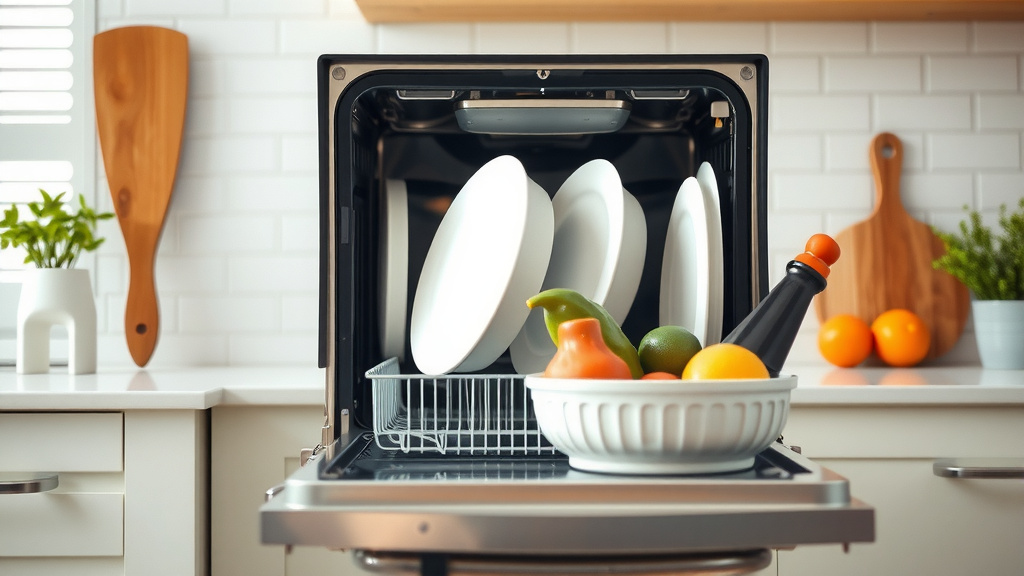
Are you tired of struggling to fit larger pots or tall glasses? Adjustable racks are a game-changer. You can often raise or lower the upper rack to create more space for dishes of all sizes. Some racks even have fold-down tines for more flexibility.
Third Racks: For Utensils and Small Items
A third rack, usually a slim tray at the very top, is fantastic for silverware, spatulas, and other small kitchen tools. It keeps them from nesting together and ensures they get thoroughly cleaned. This also frees up space in the lower basket.
Loading and Unloading: Is it Intuitive?
Think about how easy it is to actually load and unload the dishwasher. Are the racks smooth to pull out? Are there designated spots for cutlery? We found that well-designed interiors make a big difference in daily usability.
Durability and Reliability: Long-Term Value
A good dishwasher isn’t just about performance today; it’s about performing well for years to come. While it’s hard to predict long-term reliability without owning a machine, certain indicators help.
Build Quality and Materials
Look for dishwashers with a stainless steel interior. They tend to be more durable, resist odors better, and offer improved drying compared to plastic interiors. Also, check reviews for comments on build quality and common issues.
Warranty and Brand Reputation
A solid warranty can offer peace of mind. Many manufacturers offer a one-year limited warranty on parts and labor. Some may offer longer coverage on specific components like racks or the stainless steel tub. Researching brand reputation for customer service and repair frequency is also wise.
What We Found: A Quick Checklist
To sum it up, here’s what to keep in mind for a winning dishwasher:
- Powerful cleaning that handles tough grime.
- Quiet operation (under 50 dB is ideal).
- Energy and water efficiency (look for ENERGY STAR).
- Flexible loading with adjustable racks and a third rack option.
- Effective drying so dishes are ready to store.
- Durable build with a good warranty for peace of mind.
Conclusion
Choosing a good dishwasher boils down to finding a balance of performance, efficiency, and convenience. You’ve learned that a truly great machine cleans thoroughly without pre-rinsing, operates quietly, and saves water and energy. Pay attention to features like effective spray arms, smart drying, and flexible rack options that fit your everyday life. By considering these factors, you can confidently select a dishwasher that makes your kitchen chores easier and keeps your dishes sparkling. Take this knowledge and find the dishwasher that best suits your home and habits!
Frequently Asked Questions
How often should I really clean my dishwasher?
You should aim to clean your dishwasher filter and interior about once a month. This prevents food debris buildup and keeps the machine running efficiently. A quick clean ensures your dishwasher continues to deliver spotless dishes without any odors.
Can a dishwasher really save me money compared to handwashing?
Yes, absolutely! Modern dishwashers are designed to be incredibly water and energy efficient. We found that they typically use far less water than washing the same amount of dishes by hand, which can lead to lower utility bills over time.
What’s the deal with stainless steel interiors versus plastic?
Stainless steel interiors are generally more durable, resist stains and odors better, and can improve drying performance due to heat retention. Plastic interiors are often found in more budget-friendly models but may not hold up as well over many years of use.
Is a noisy dishwasher a sign of a problem?
Not necessarily, but a good dishwasher should be quiet. We found that decibel (dB) ratings below 50 are ideal for peaceful operation. If your current dishwasher is excessively loud, it might be older or have less advanced sound-dampening technology.
How can I tell if a dishwasher will fit my specific needs?
Consider your typical dish loads and kitchen space. Look at rack adjustability for fitting larger items and a third rack for utensils. Reading user reviews about loading ease and specific cycle performance for your common needs can also help you decide.