Master Your Stacked Washer Dryer: A Step-by-Step Guide
Using a stacked washer and dryer is pretty straightforward once you know the steps. Generally, you’ll load your clothes into the washer first, run a cycle, then transfer them to the dryer above. It’s a smart space-saving solution for many homes.
These units are designed for efficiency, letting you do laundry in a compact footprint. Many models offer convenient features like digital displays and pre-set cycles. Understanding how to operate them correctly ensures optimal cleaning and drying for your garments.
- Load laundry into the washer first.
- Run the desired wash cycle.
- Transfer wet clothes to the dryer.
- Select the appropriate drying setting.
- Clean the lint trap after each use.
Ready to make laundry day a breeze? Let’s walk through exactly how to use your stacked washer and dryer step by step.
Getting Started with Your Stacked Washer and Dryer
So, you’ve got a stacked washer and dryer, a genius move for saving space! Now, let’s get them working for you. It’s simpler than you might think. Think of it like a two-story laundry building, but way more convenient.
Understanding the Two Units
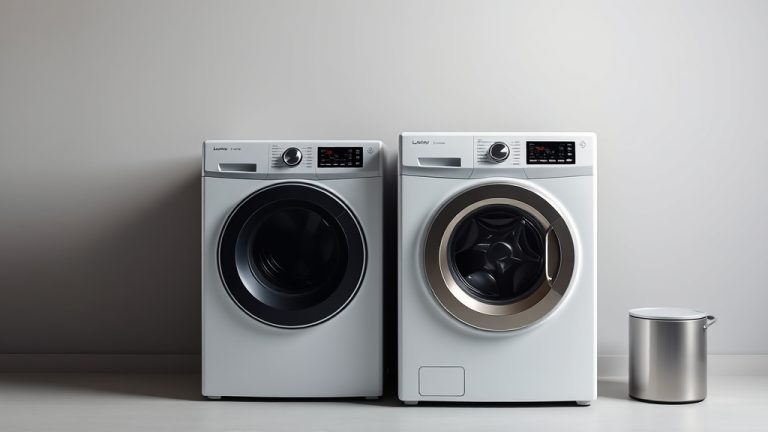
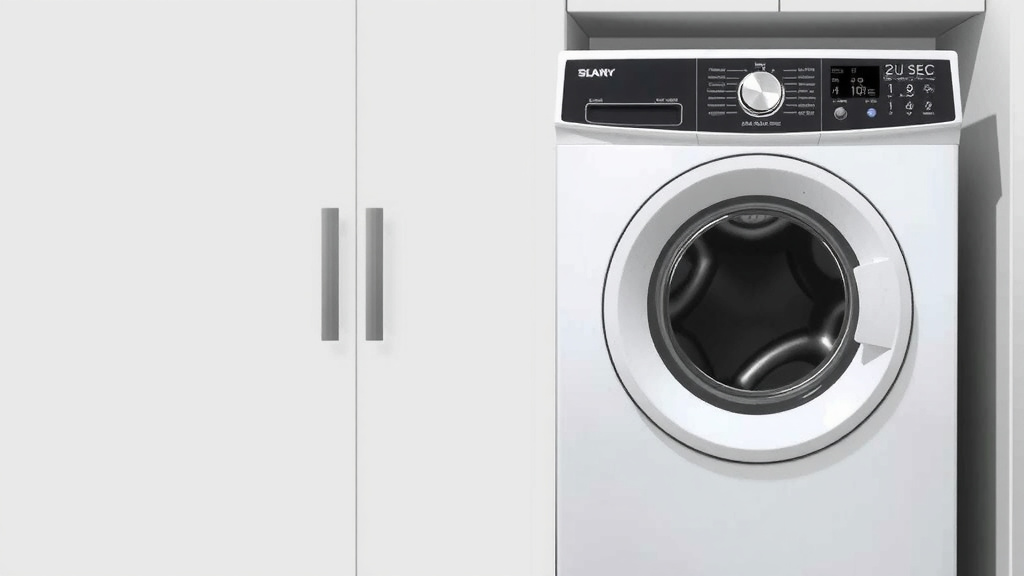
Your stacked unit has two main parts: the washer is on the bottom, and the dryer is stacked on top. This design means you do your washing first. Once that’s done, you move the wet clothes directly into the dryer above.
This arrangement is brilliant for small apartments, RVs, or any spot where floor space is tight. It keeps your laundry operations all in one compact area. Many find this setup incredibly convenient for busy households.
Loading the Washer: The Foundation of Clean Clothes
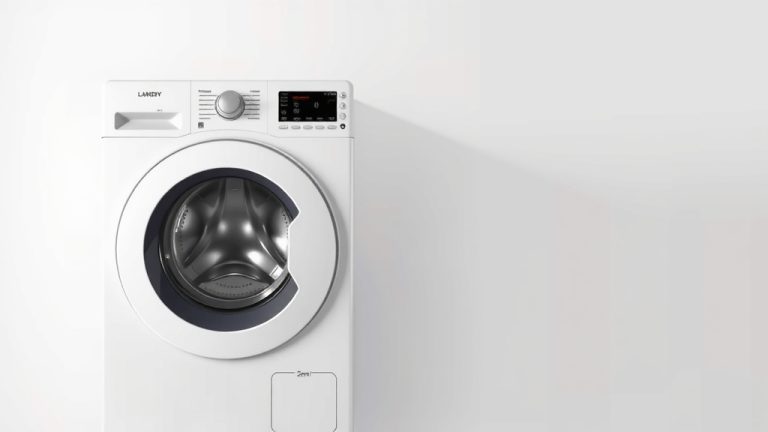
The first step is always to load the washer. Open the door of the bottom unit. Don’t overstuff it; clothes need room to tumble and get properly clean. A good rule of thumb is to fill the drum about halfway.
Mixing different fabric types can sometimes be tricky. For best results, we found it’s helpful to sort your laundry by color and fabric type before washing. This prevents colors from bleeding and ensures delicate items aren’t damaged by heavier ones. This practice helps maintain the quality of your garments over time.
Choosing the Right Wash Cycle
Now for the settings. Most stacked washers come with a variety of cycles. You’ll see options like ‘Normal,’ ‘Delicates,’ ‘Heavy Duty,’ and ‘Quick Wash.’ Your machine’s manual is your best friend here, but here’s a quick guide.
- Normal Cycle: Great for everyday items like t-shirts, jeans, and towels.
- Delicates Cycle: Use this for lacy items, silks, or anything labeled ‘hand wash.’ It uses less agitation and cooler water.
- Heavy Duty Cycle: Ideal for heavily soiled items or sturdy fabrics like work clothes or bedding.
- Quick Wash: Perfect for lightly soiled loads that you need in a hurry.
Don’t forget to select the right water temperature. Whites often do best in hot water for maximum cleanliness, while colors usually prefer cold or warm water to prevent fading. Always check garment care labels for specific instructions to avoid shrinking or damage (CDC).
Transferring Clothes to the Dryer
Once the wash cycle is complete, it’s time to move the wet clothes upstairs. Open the dryer door above the washer. Carefully transfer the damp items from the washer drum to the dryer drum. Try not to let them sit in the washer for too long, as this can lead to wrinkles and odors.
Some people like to shake out items as they transfer them. This can help reduce wrinkles and speed up drying time. Imagine giving each item a little shake-out before its cozy time in the dryer.
Setting Up the Drying Cycle
Now, let’s talk about drying. The dryer has its own set of controls. You’ll typically find options for different heat settings and timed dry or automatic dry cycles.
- High Heat: Best for sturdy cottons, towels, and jeans.
- Medium Heat: Good for synthetic fabrics and permanent press items.
- Low Heat or Air Fluff: Ideal for delicate items, items that might shrink, or just to remove static.
- Automatic/Sensor Dry: Many modern dryers have sensors that detect moisture levels and shut off automatically when clothes are dry. This is a great way to save energy and prevent over-drying.
If your machine has a timed dry option, you’ll set a specific amount of time. We found that using the sensor dry feature is often more reliable than guessing how long a load will take to dry.
Important Maintenance for Longevity
Just like any appliance, your stacked washer and dryer needs a little TLC. Regular maintenance ensures it runs efficiently and lasts longer. It’s not complicated, just a few simple habits.
Cleaning the Lint Trap: A Must-Do Every Time
This is perhaps the most critical step for dryer safety and efficiency. After each and every load, you absolutely must clean the lint trap. Lint buildup is a fire hazard and also makes your dryer work harder, using more energy. You’ll usually find the lint trap located just inside the dryer door.
Simply pull it out, remove the collected lint, and push it back in. It takes seconds, but it makes a world of difference. Many fire safety organizations stress the importance of this simple, quick task (National Fire Protection Association).
Checking Hoses and Vents Periodically
While not a daily task, it’s wise to check the washer hoses and dryer vent periodically. Look for any signs of wear, cracking, or leaks on the washer hoses. For the dryer vent, ensure it’s not blocked, especially where it exits your home.
A clogged dryer vent forces your machine to work overtime and can create a fire risk. We found that scheduling a quick check every few months can prevent bigger issues down the line. Keeping these clear is key for optimal performance and safety.
Troubleshooting Common Issues
What if things aren’t running perfectly? Here are a couple of common hiccups and how to address them.
The Washer Isn’t Draining or Spinning
If your washer isn’t draining properly, it might be due to a clog in the drain hose or the pump filter. Check the machine’s manual for how to access and clean these areas. Sometimes, an unbalanced load can also prevent spinning. Redistributing the clothes can help.
The Dryer Isn’t Heating
If your dryer is tumbling but not heating, it could be a tripped circuit breaker, a blown thermal fuse, or an issue with the heating element itself. For safety reasons, it’s often best to call a professional technician if you suspect an issue with the heating element or electrical components. Always ensure your dryer is plugged in securely.
Quick Checklist for Your Laundry Routine
Here’s a handy checklist to keep your stacked washer and dryer running smoothly:
- Sort laundry by color and fabric type.
- Don’t overload the washer drum.
- Select appropriate wash cycles and water temperatures.
- Transfer wet clothes promptly to the dryer.
- Clean the lint trap after every single use.
- Check dryer vents for blockages every few months.

Conclusion
You’ve now got a clear roadmap for using your stacked washer and dryer effectively. Remember, proper loading and cycle selection are key for clean clothes. Always prioritize transferring your laundry promptly and keeping that lint trap clean after every single use. A little bit of attention to maintenance means your space-saving laundry solution will perform at its best for years to come. Ready to tackle that laundry pile with confidence?
Frequently Asked Questions
Can I wash and dry a load at the same time with a stacked unit?
No, you cannot. Stacked washer and dryer units operate sequentially. You must complete the wash cycle and transfer the clothes to the dryer before starting a new wash load.
How much laundry can I put in a stacked washer?
It’s best to fill the washer drum about halfway. Overloading prevents clothes from tumbling freely, which hinders proper cleaning and can cause unnecessary wear on your machine.
What happens if I forget to clean the lint trap?
Forgetting to clean the lint trap after each use is a major fire hazard. It also reduces the dryer’s efficiency, making it take longer to dry clothes and increasing energy consumption.
Can I use fabric softener in a stacked washer?
Yes, you can use fabric softener. Most stacked washers have a designated dispenser compartment for liquid fabric softener, which is released automatically during the rinse cycle.
How do I know which drying cycle to use?
Check the care labels on your garments first. Generally, high heat is for sturdy cottons, medium heat for synthetics or permanent press, and low heat or air fluff for delicates or items prone to shrinking.