How to Safely Stack a Tumble Dryer on Your Washing Machine
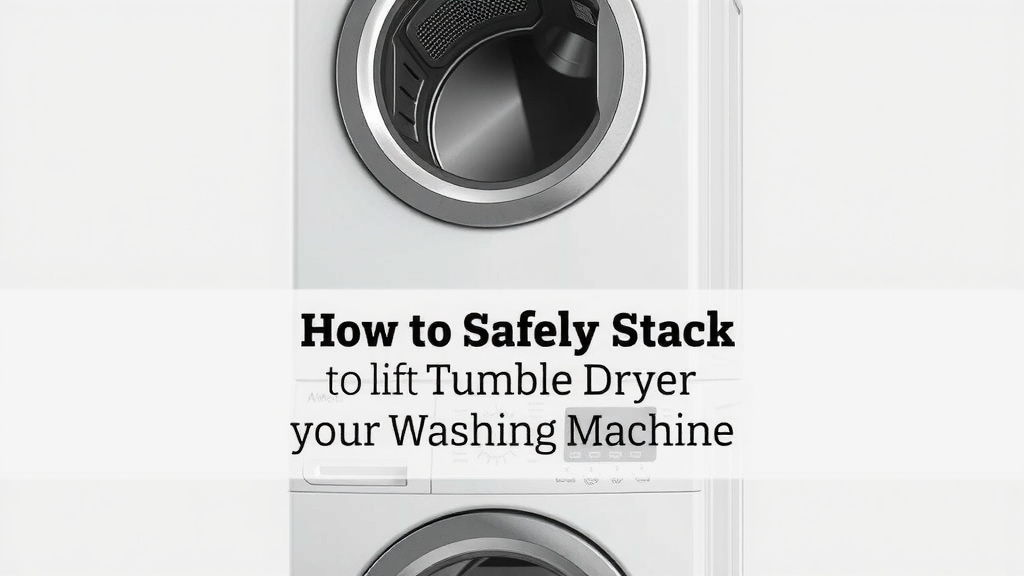
Yes, you can absolutely stack your tumble dryer on top of your washing machine, but it requires the right support kit and a bit of careful planning. This common space-saving solution is widely practiced when done correctly. Always ensure your appliances are compatible and securely fastened to prevent accidents.
Many homeowners choose this setup to maximize laundry room space. We found that using a universal stacking kit is key to a stable and safe installation. This also helps to protect your appliances from vibrations and potential damage. Remember to check the weight limits for both your washer and dryer.
- Get a proper stacking kit.
- Make sure your machines are compatible.
- Secure the dryer firmly to the washer.
- Check appliance weight limits.
Let’s walk through exactly how to safely lift and secure your tumble dryer onto your washing machine step by step. We’ll cover what you need and the best way to do it.
Stacking Your Dryer on the Washer Safely
You’re probably wondering if stacking your dryer on top of your washing machine is a good idea. We’ve looked into it, and yes, it’s a popular and practical solution for saving space. It’s like giving your laundry room a vertical makeover! The key is doing it the right way, which means getting the proper support and making sure everything is secure.
Choosing the Right Stacking Kit
This is where we start. Not all washing machines and dryers are built to be stacked. They need to be compatible, and you’ll need a specific kit to make it happen. Think of it like needing the right adapter for a plug – the wrong one just won’t work, and it can be dangerous.
What Exactly is a Stacking Kit?
A stacking kit is basically a specialized bracket or strap system. Its main job is to connect the two appliances securely. It prevents the top dryer from sliding off the washing machine, especially when things get a little jiggly during a spin cycle. Many kits also include a special pull-out shelf, which is handy for folding clothes right there.
Universal vs. Manufacturer-Specific Kits
We found that there are two main types of kits. Universal kits are designed to fit most standard-sized washers and dryers. Manufacturer-specific kits are made by appliance brands for their own models. While universal kits offer flexibility, a manufacturer-specific one might offer a more tailored fit if you have matching brands. Always check the product description to ensure compatibility with your specific appliance models. It’s a small detail that makes a big difference.
Key Features to Look For
When you’re shopping for a stacking kit, look for one that has a sturdy construction. Metal brackets are generally a good sign. Also, check if it comes with all the necessary hardware, like screws and straps. Some kits are easier to install than others, so reading reviews can be helpful. A good kit will also mention weight limits, which leads us to our next important point.
Checking Appliance Compatibility and Weight Limits
Before you even think about lifting, you need to make sure your machines are up for the task. This isn’t the time to guess; it’s all about safety and stability.
Are Your Appliances Stackable?
Most front-loading washing machines and dryers are designed to be stacked. However, top-loading washing machines generally cannot have a dryer placed on top of them. This is due to their lid design and how they operate. Always refer to your appliance manuals. They will explicitly state if stacking is permitted. If you can’t find your manual, a quick search on the manufacturer’s website using your appliance model number should do the trick. It’s a vital step that many people overlook.
Understanding Weight Restrictions
Your washing machine needs to be able to support the weight of your dryer. Most stacking kits will have a maximum weight capacity they can handle. More importantly, your washing machine’s drum and frame are designed to handle certain loads. The combined weight of a washing machine and a fully loaded dryer can be substantial. We found that it’s wise to check the maximum load capacity for your washing machine, which is usually listed in its manual. While most modern front-loaders are robust, it’s always better to be cautious.
| Appliance Type | Can it Support a Dryer? | Notes |
|---|---|---|
| Front-Load Washer | Usually Yes | Check manual for model-specific confirmation and weight limits. |
| Top-Load Washer | Almost Never | Designed differently; stacking is generally not recommended or possible. |
| Stackable Dryer | N/A | Dryers are designed to be the top unit. |
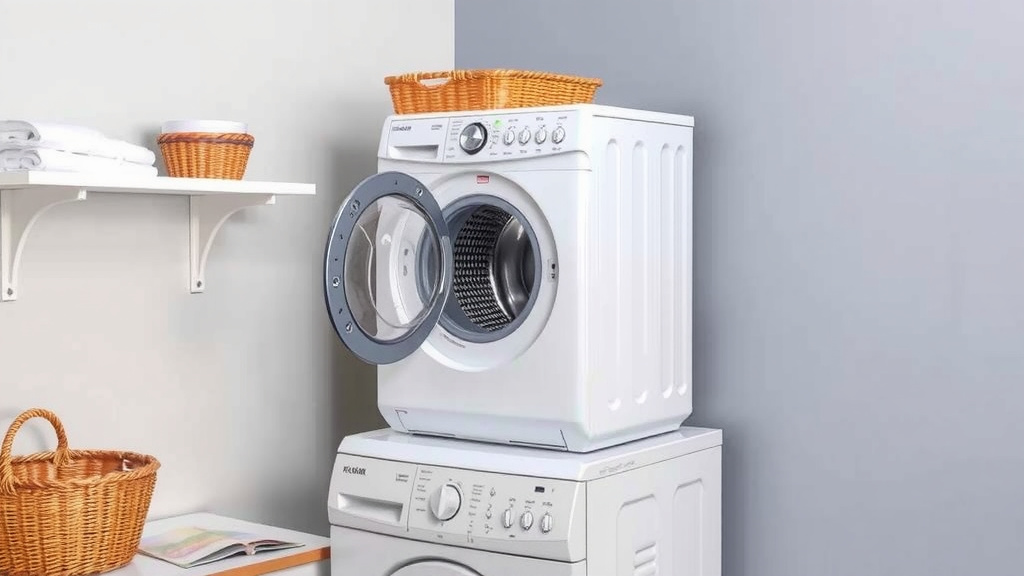
The Stacking Process: Step-by-Step
Now for the physical part! This is best done with a helper. Trying to lift a heavy appliance by yourself is asking for trouble. Remember, safety first, always!
1. Prepare the Area and Appliances
First, make sure you have enough clearance around the appliances. You’ll need space to maneuver and work. Ensure both the washer and dryer are unplugged and disconnected from water and drain lines. Empty any water from the washer and dryer.
2. Position the Washing Machine
Place the washing machine in its final position. Ensure it’s level. Use a spirit level to check this. An unlevel washer can lead to excess vibration, which is never good for stacked appliances.
3. Attach the Stacking Kit to the Washer
Follow the specific instructions that came with your stacking kit. Typically, you’ll attach a base bracket or straps to the top of the washing machine. Make sure it’s firmly secured according to the manufacturer’s guide.
4. Lifting and Placing the Dryer
This is the part where your helper is essential. With your helper, carefully lift the dryer. Align it over the washing machine, ensuring it sits squarely on the base bracket or designated stacking area. Take your time; don’t rush this step.
5. Secure the Dryer to the Kit and Washer
Once the dryer is in place, you’ll need to secure it to the stacking kit. This usually involves using screws, clips, or straps. Double-check that everything is tight and secure. The dryer should not wobble or shift.
6. Reconnect and Test
Reconnect the dryer and washer to their power and water supplies. Run a short, empty cycle on both machines. Listen for any unusual noises and watch for excessive shaking. Ensure the stacked unit feels stable.
Here’s a quick checklist to keep you on track:
- Confirm both appliances are front-loaders and stackable.
- Purchase the correct, compatible stacking kit.
- Ensure your washing machine is perfectly level.
- Have a helper ready for lifting.
- Follow stacking kit instructions precisely.
- Securely fasten the dryer to the washer/kit.
Conclusion
You’ve learned how to safely stack your tumble dryer on your washing machine. It’s a smart way to save space and streamline your laundry routine. Remember, the key to success lies in using the right stacking kit and ensuring your appliances are compatible and properly leveled. Don’t forget that a second pair of hands makes this job much safer and easier. With these steps, you can enjoy a more organized laundry room. Now, take the plunge and get your laundry setup stacked!
Frequently Asked Questions
Can I stack any dryer on any washing machine?
No, not all appliances are designed for stacking. You must use a front-loading washing machine, and it must be compatible with stacking according to the manufacturer. Top-loading washing machines generally cannot have a dryer placed on top of them due to their design. Our guide to top-loading washing machines explains why they are not suitable for stacking.
What happens if I don’t use a stacking kit?
Without a proper stacking kit, the dryer could easily slide off the washing machine. This can cause serious damage to both appliances and pose a safety hazard. A kit is essential for stability and security.
How heavy can the dryer be to stack on my washer?
You need to check the weight limit specified for your washing machine and the stacking kit. Your washing machine’s manual should list its maximum load capacity. Ensure the combined weight of the washer and dryer does not exceed these limits.
Is it difficult to install a stacking kit?
Most stacking kits are designed for straightforward installation, but it’s always best to follow the manufacturer’s instructions carefully. Having a helper makes the lifting part much easier and safer. Some kits might require basic tools.
What if my washing machine isn’t perfectly level?
An unlevel washing machine is a major issue when stacking. It can cause excessive vibration, noise, and instability. You must ensure your washing machine is perfectly level using a spirit level and adjustable feet before attempting to stack the dryer.