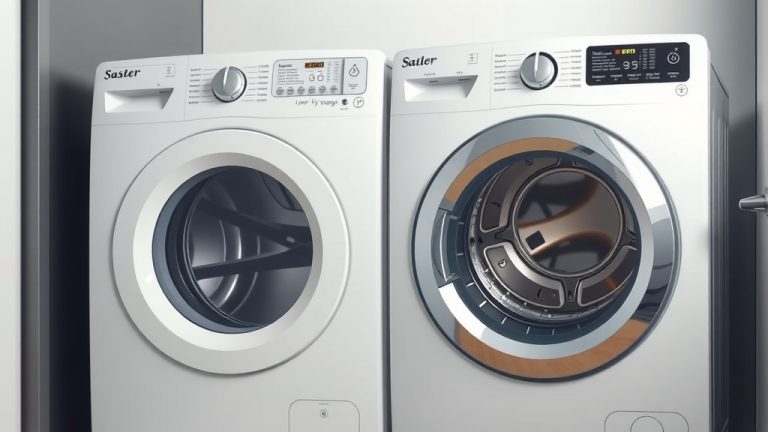
What Makes a Washer Dryer Stackable
Stackable washer and dryer units are specifically designed with **compatible dimensions** and **secure interlocking mechanisms**. This allows a dryer to be safely placed on top of a washing machine. They are built to handle the weight and vibration of both appliances when stacked.
Choosing a stackable pair means you’re getting appliances engineered for this vertical setup. This is different from simply trying to stack standard, non-stackable units. Proper stacking ensures **stability** and **safe operation**, preventing potential accidents or damage. Many newer models are made with this space-saving solution in mind.
- Stackable units have matching dimensions for a snug fit.
- They include hardware for secure connection.
- Washers are built to support dryer weight.
- Dryers have features to prevent tipping.
- This design is crucial for safety and stability.
Let’s break down exactly what makes a washer and dryer stackable so you can make the best choice for your home. We’ll cover the key design elements and features you should look for.
What Makes Washers and Dryers Stackable?
Stackable washer and dryer units are specially engineered for vertical living. They aren’t just standard appliances sitting on top of each other. It’s a thoughtful design that prioritizes **safety, stability, and space-saving**. You might be wondering, “How do they achieve this?” The answer lies in a few key design elements and features that ensure a secure and functional stacked setup.
The Anatomy of a Stackable Laundry Pair
Matching Dimensions: The Foundation of a Good Fit
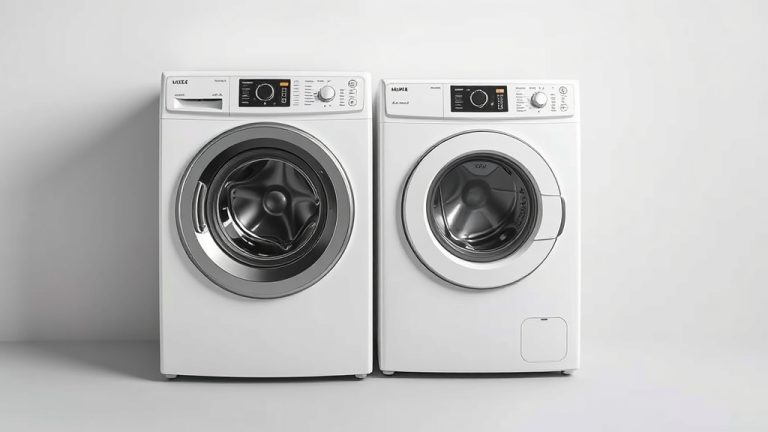
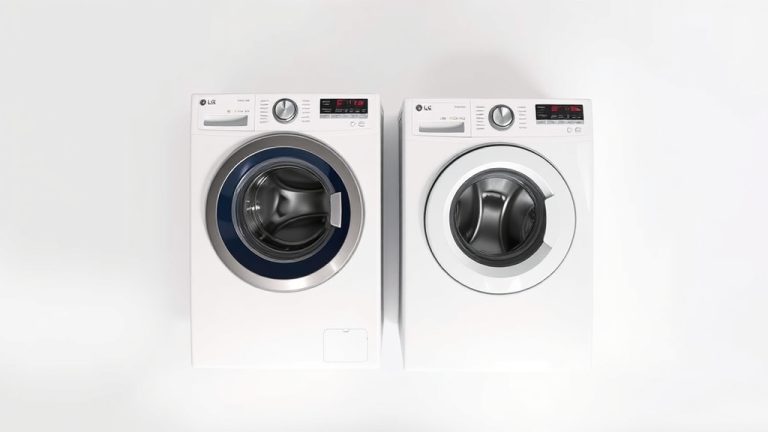
Perhaps the most obvious feature is that stackable units are designed to have matching widths and depths. Think of it like building with LEGOs – the pieces are made to connect smoothly. This ensures that the top appliance sits flush and stable on the bottom one. A standard-sized dryer simply won’t fit neatly on top of a standard washing machine. We found that this **precise sizing** is the first step in creating a reliable stack.
The Washer’s Role: Built to Bear the Load
Your washing machine is the base of the stack, and it needs to be strong. Manufacturers build stackable washers with a **reinforced cabinet and a robust frame**. This is essential because the dryer, especially when full of wet clothes, adds significant weight. We found that washing machine tubs are also designed to withstand the extra stress from the dryer sitting above. This isn’t just about weight; it’s also about managing vibrations. During the spin cycle, washing machines can shake quite a bit. A stackable washer is engineered to **minimize movement and absorb vibrations**, preventing the whole stack from becoming a wobbly mess.
The Dryer’s Design: Stability and Security from Above
The dryer, being on top, has its own set of considerations. Stackable dryers often have a **flatter top surface** than their freestanding counterparts. This provides a more stable platform for the connection hardware and prevents the dryer from rocking. We found that many stackable dryers also feature **recessed controls** or a control panel that’s less likely to be bumped. This is a small but important detail that helps prevent accidental changes to settings when the units are stacked.
The Critical Connection: Keeping Things Together
Interlocking Mechanisms and Hardware
This is where the magic really happens. Stackable pairs almost always come with a stacking kit. This kit typically includes brackets, straps, or clips that physically connect the dryer to the back or sides of the washer. These mechanisms are designed to prevent the dryer from sliding or tipping off the washer. We found that the installation of this kit is a **non-negotiable step** for safety. It’s what truly secures the two units together, turning them into a single, stable entity. Think of it as a seatbelt for your appliances!
Ventilation Considerations
While not strictly about what *makes* them stackable, proper ventilation is a critical part of a successful stackable setup. Stackable dryers often have venting options that are more adaptable to a stacked configuration. This might include side or bottom venting capabilities, which can be more convenient when space is tight. We found that ensuring the dryer’s vent hose is properly connected and not kinked is essential for both efficiency and safety, preventing lint buildup.
Weight, Size, and Vibration: The Balancing Act
Appliance Weight Capacities
When you buy a stackable washer and dryer, you’re buying a matched set designed to work together. The washer is built to handle the static weight of the dryer plus the dynamic forces of its operation. We found that manufacturers test these combinations rigorously. It’s not advisable to mix and match a standard dryer with a stackable washer, or vice versa. The structural integrity might not be there. The goal is a **balanced and secure system**.
Understanding Vibration Dampening
We mentioned vibrations earlier, but it’s worth repeating. Washing machines, especially during high-speed spin cycles, generate significant forces. Stackable washers incorporate advanced suspension systems and **internal dampening technologies** to absorb these shakes. This is a key differentiator from non-stackable models. Without effective vibration control, the dryer on top could easily shift or even fall. Many experts say this is one of the most technically challenging aspects of designing stackable units.
What to Look For in Stackable Units: A Quick Checklist
Ready to find the right stackable pair for your home? Here’s a quick rundown of what you should be looking for:
- Matching Dimensions: Ensure the width and depth are identical.
- Included Stacking Kit: Verify that the necessary connection hardware is provided.
- Washer Reinforcement: Look for models known for sturdy construction.
- Dryer Stability Features: Check for a flat top and secure mounting points.
- Ventilation Options: Confirm the dryer can be vented appropriately in a stacked setup.
- Energy Efficiency Ratings: Save money and water with ENERGY STAR certified models.
| Feature | Stackable Units | Non-Stackable Units |
|---|---|---|
| Dimensions | Engineered to match for a snug fit. | Vary widely; not designed for stacking. |
| Connection | Includes a specific stacking kit for secure attachment. | No connection hardware; requires separate, often custom, solutions. |
| Washer Construction | Reinforced frame to support dryer weight and vibrations. | Standard construction, not designed for overhead load. |
| Dryer Design | Often has a flatter top and stable base. | May have rounded tops or designs not suited for stacking. |
| Safety | Designed with interlocking mechanisms for tip-over prevention. | Risk of instability and tipping if stacked without proper support. |
Ultimately, the ability to stack your washer and dryer comes down to a thoughtful combination of precise sizing, robust construction, and secure connection hardware. It’s about creating a safe and efficient laundry solution for smaller living spaces. When you choose units designed for stacking, you’re investing in peace of mind and maximizing your home’s potential.
Conclusion
So, what makes a washer and dryer stackable? It’s all about careful engineering and design. Matching dimensions, a reinforced washer base, a stable dryer top, and that essential stacking kit work together. These elements ensure your appliances are safe and secure when placed vertically. You’re not just stacking machines; you’re using a system built for space efficiency. Ready to save space? When shopping, look for the included stacking kit and confirm the dimensions are designed to pair perfectly. This thoughtful approach is key to a stable, worry-free laundry setup.
Frequently Asked Questions
Can I stack any dryer on top of any washer?
No, you absolutely should not stack any dryer on any washer. Stackable units are specifically designed with matching dimensions and secure connection kits. Non-stackable units lack the reinforced construction and secure interlocking mechanisms needed for safe stacking.
Does the stacking kit come with both appliances?
Typically, the stacking kit is included with the dryer, but it can sometimes come with the washer or be sold separately. Always check the product description or ask the retailer to confirm that the necessary hardware is provided for a secure connection.
How do stackable washers handle the extra weight and vibration?
Stackable washers have reinforced frames and robust construction to support the weight of the dryer. They also feature advanced suspension systems and internal dampening technologies to absorb vibrations during the spin cycle, ensuring stability.
Is a special installation required for stackable units?
Yes, proper installation is vital. You’ll need to use the included stacking kit to securely connect the dryer to the washer. It’s also important to ensure correct venting for the dryer to maintain efficiency and safety.
What if I have a very old washer and dryer set?
Older, non-stackable units are generally not designed to be stacked. They may lack the necessary structural reinforcement and interlocking features. Attempting to stack them poses a significant safety risk and could damage your appliances.