Top Load vs Front Loader Washers: Which is Right for You
When deciding between a top load washing machine and a front loader, the top loader is generally the more budget-friendly option and is often considered easier to use for quick washes. Front loaders, on the other hand, typically offer superior cleaning performance and energy efficiency. Your choice really depends on what matters most to your household: cost, convenience, or cleaning power.
We know that choosing a new washing machine can feel overwhelming. Both types have their own set of pros and cons. Understanding these differences will help you find the perfect fit for your laundry needs and your home. We’ve researched the key factors to help you make an informed decision.
- Top loaders are usually cheaper upfront.
- Front loaders offer better cleaning and water savings.
- Top loaders are gentler on clothes in some models.
- Front loaders often have more wash cycles and features.
- Consider ergonomics and your budget.
Let’s break down the key differences to help you figure out which type of washing machine is right for you.
Top Loaders vs. Front Loaders: Which Washing Machine Reigns Supreme for Your Home?
So, you’re in the market for a new washing machine, and you’ve hit the classic crossroads: top loader or front loader? It can feel like a big decision, and honestly, it is! Both types have been around for ages, and each has its own loyal fans. We’ve done the homework to help you sort through the noise and find out which kind of washer will make your laundry days a whole lot brighter (and cleaner!).
Understanding the Core Differences
The main distinction between these two styles of washing machines boils down to how they agitate your clothes and use water. It might seem simple, but this difference impacts everything from cleaning power to how much water and energy you use. Let’s get down to the nitty-gritty.
The Anatomy of a Top Loader
Imagine a classic washing machine. Chances are, you’re picturing a top loader! These machines have the lid on top, allowing you to toss clothes in easily. Inside, you’ll find one of two types of agitators. There are the older models with a central post that twists and turns clothes. Then there are newer “high-efficiency” (HE) models. These often use an impeller at the bottom, which is like a low-profile cone or plate that tumbles clothes.
- Pros: Generally more affordable upfront. You can often add forgotten clothes mid-cycle. No bending required to load/unload.
- Cons: Can be rougher on clothes (especially older agitator models). Generally use more water and energy than front loaders.
The Mechanics of a Front Loader
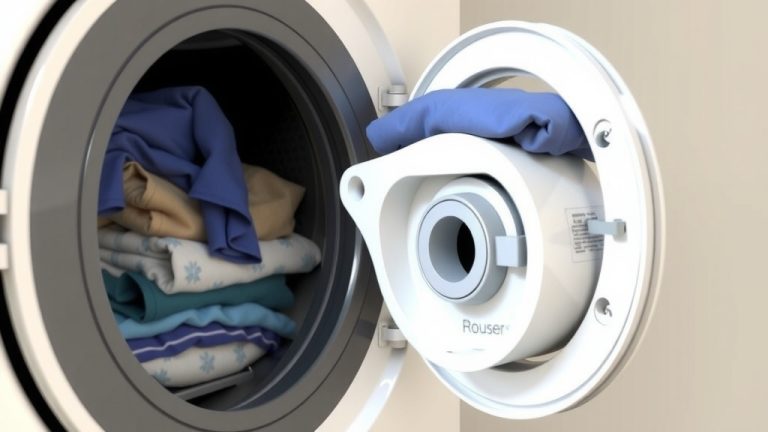
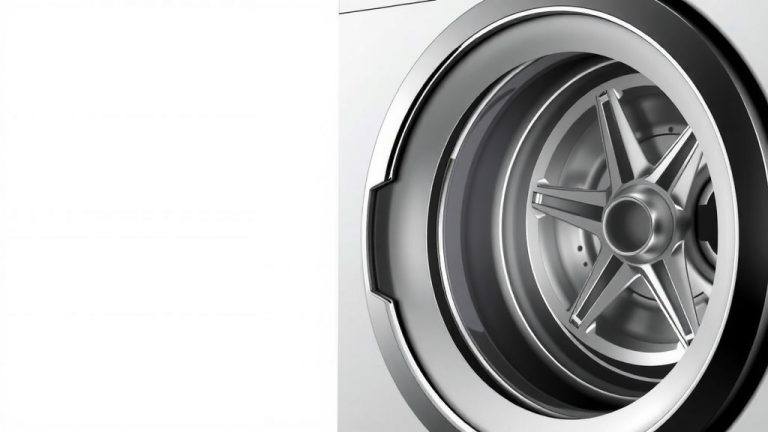
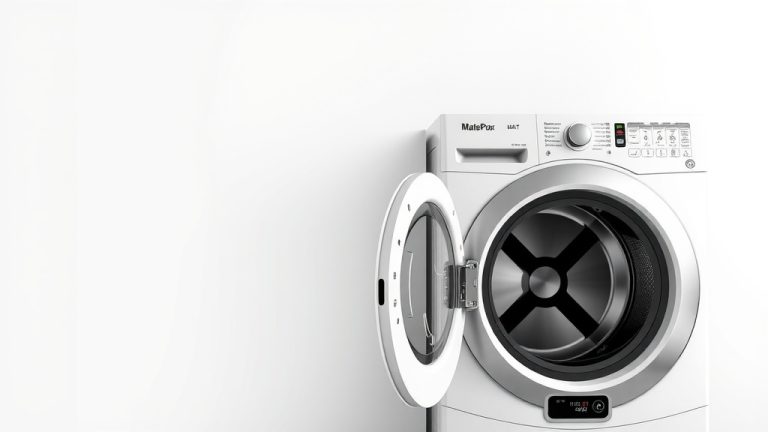
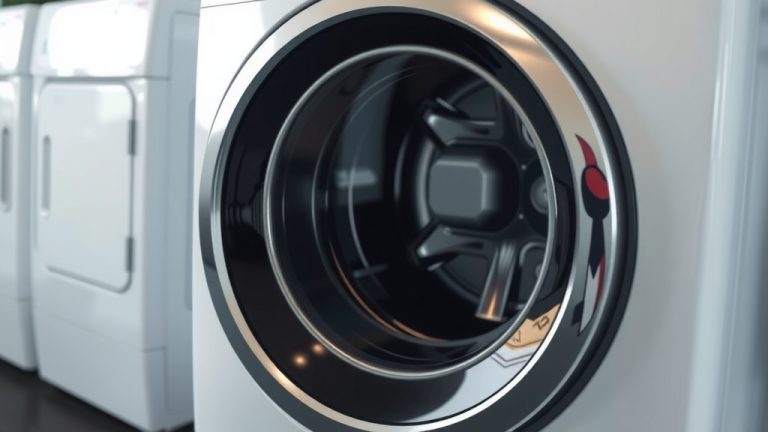
Front loaders are the sleek, modern contenders. They have a door on the front, much like a dryer. Inside, there’s a drum that rotates horizontally. Clothes are lifted and dropped into the water, mimicking a tumbling action. This method is known for being very effective at removing dirt.
- Pros: Superior cleaning performance. More energy and water efficient. Gentler on fabrics. Often have more wash cycles and customization.
- Cons: Higher upfront cost. You can’t easily add clothes mid-cycle once the door locks. Requires bending to load and unload.
Performance Showdown: Cleaning Power and Fabric Care
When it comes to getting your clothes truly clean, front loaders often take the lead. Their tumbling action is incredibly effective at working detergent into fabrics and lifting away stains. We found that many consumer reports and expert reviews consistently highlight this advantage.
How Front Loaders Excel
That horizontal drum action is key. It allows clothes to tumble and fall, which means better penetration of water and detergent. This deep clean is fantastic for stubborn stains and heavily soiled items. Plus, this method is surprisingly gentle on your garments. Think less stretching and snagging compared to some top-load models.
Top Loaders: Still Got It?
Traditional top loaders with a central agitator can sometimes be tough on clothes. They twist and pull fabric, which can lead to wear and tear over time. However, HE top loaders with impellers are much gentler. They still provide a good clean, though many studies suggest they might not quite match the stain-fighting power of a front loader in a single cycle.
Water and Energy Efficiency: A Greener Clean
If saving water and energy is high on your list, front loaders are usually the clear winner. They use significantly less water per load. This is because the drum only needs to be partially filled for the tumbling action to work effectively. Less water means less energy needed to heat that water for hot washes, too.
Front Loader’s Eco-Friendly Edge
Many front loaders are recognized for their excellent water and energy savings. This not only helps the planet but can also lead to lower utility bills over the life of the machine. Some models even qualify for Energy Star certifications, meaning they meet strict energy efficiency guidelines set by the EPA.
For example, a standard top loader might use 40-50 gallons of water per load. In contrast, a front loader often uses 15-25 gallons (Energy Star).
Top Loader Water Usage
Top loaders, especially older models, tend to fill the tub completely with water. This means more water is used for every wash cycle. While HE top loaders use less water than their traditional counterparts, they often still use more than front-loading machines.
Features and Convenience: What’s Your Style?
When it comes to ease of use and extra features, both machine types offer compelling arguments. It really depends on what makes your laundry routine smoother.
The Convenience Factor
Top loaders win points for ease of loading. You don’t need to bend over, which is great for your back. Plus, if you forget a sock or a stray towel, you can usually pause the cycle and add it in. This flexibility is a big plus for busy households.
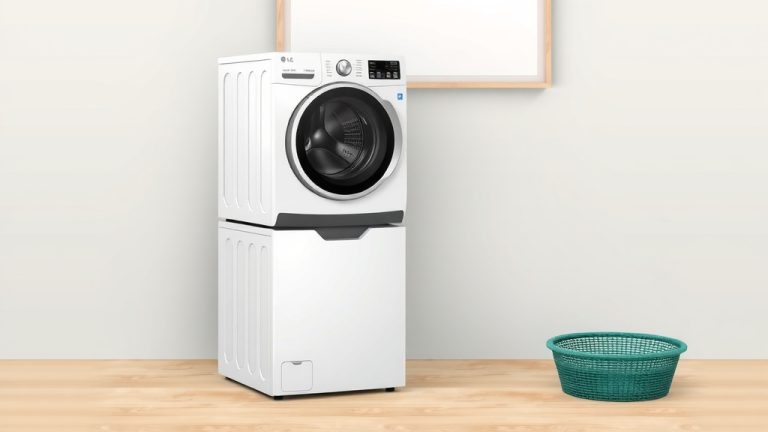
Front loaders require you to bend down to load and unload. This can be a drawback for some. However, many people find that the larger capacity of front loaders means fewer loads overall. You can also stack a dryer on top of many front-load washers, saving valuable floor space.
Wash Cycles and Smart Technology
Front loaders often boast a wider array of wash cycles and customization options. You might find specialized cycles for delicates, sanitize, steam cleaning, or even pet-hair removal. Many newer models also come with smart features, allowing you to control them remotely via your smartphone.
While top loaders are catching up, they sometimes have fewer advanced cycle options. However, the basic cycles they offer are usually very effective for everyday laundry needs.
Cost Considerations: Upfront vs. Long-Term
Let’s talk money. When you’re browsing in the store, you’ll likely notice a price difference right away. Top loaders are generally more budget-friendly for the initial purchase.
The Initial Price Tag
If your budget is tight, a top-loading washing machine is often the way to go. You can find reliable models at a much lower price point than comparable front loaders. This makes them an attractive option for many families just starting out.
Long-Term Savings
However, consider the long run. Because front loaders are more water and energy efficient, they can save you money on utility bills month after month. Over the many years you’ll own the appliance, these savings can add up significantly. So, while the upfront cost is higher, the total cost of ownership might be lower for a front loader.
Making Your Final Choice: A Quick Checklist
Still on the fence? Here’s a quick way to think about what matters most to you:
- Budget: How much can you spend upfront?
- Space: Do you need to stack a dryer?
- Ergonomics: Is bending a problem for you?
- Fabric Care: Do you have delicate items or heavily soiled clothes?
- Efficiency: How important are water and energy savings?
- Features: Do you want advanced cycles or smart capabilities?
Conclusion
Choosing between a top load and a front load washer really comes down to your personal priorities. If you’re looking for an affordable upfront cost and the convenience of adding clothes mid-cycle, a top loader might be your best bet. However, if you prioritize superior cleaning performance, water savings, and gentler fabric care, a front loader is likely the better investment. We found that both types can serve your laundry needs well, but understanding these key differences will help you make the choice that’s right for your home and your budget. Take a moment to consider your laundry habits and which machine’s strengths align best with your everyday life.
Frequently Asked Questions
Can I really add clothes to a front loader mid-cycle?
Generally, no. Once the wash cycle begins and the door locks, you cannot add more clothes to a front-load washer. This is a safety feature to prevent water from leaking. You’ll need to wait for the next load if you forget an item.
Are top loaders always gentler on clothes than front loaders?
Not necessarily. While older top loaders with central agitators can be rough, newer high-efficiency (HE) top loaders use impellers and are much gentler. Front loaders are typically considered gentler overall due to their tumbling action.
Which type of washer is better for small spaces?
Front loaders are often better for small spaces because many models allow you to stack a dryer on top. This vertical configuration saves precious floor space. Top loaders cannot be stacked.
Which type of washer will save me more money on utility bills?
Front loaders typically save you more money in the long run. They use significantly less water and energy per load, which can lead to lower utility bills over the lifespan of the appliance.
What is an “impeller” in a top load washer?
An impeller is a low-profile cone or plate found at the bottom of some high-efficiency (HE) top load washers. It replaces the traditional central agitator and moves clothes around using less water and in a gentler way than older agitator models.