Top Load vs Front Load Washer Dryer: Which Is Best
When choosing between a top-load washer and dryer versus a front-load model, the key difference often comes down to washing performance and energy efficiency, with front-loaders generally offering a deeper clean and saving more water and electricity. While top-loaders are typically quicker and have a lower upfront cost, front-loaders excel at gentler fabric care and can be more space-efficient for stacking. We found that front-load washers tend to be the winners for most households seeking better cleaning and lower utility bills over time.
Deciding on the right laundry pair involves weighing various factors that impact your daily routine and long-term expenses. You’ll want to consider not only how well clothes get clean but also the water usage, the drying times, and the overall convenience each type offers. Many experts agree that understanding these differences can help you make a smart investment for your home.
- Top-loaders are usually faster and cheaper upfront.
- Front-loaders clean better and use less water/energy.
- Front-loaders are gentler on clothes.
- Consider long-term costs and space needs.
Let’s dive into the specific pros and cons of each type to help you find the perfect match for your laundry room.
You’ve seen the basic differences in the intro, but let’s get into the nitty-gritty. Choosing between a top-load and front-load washing machine is a big decision for your household. Both have their charm, but they perform very differently. We’ve researched both types thoroughly to help you understand which one fits your needs best. Our guide explains the cost of a top-loader or a decent front-load washer.
Comparing Washer and Dryer Types: Top Load vs. Front Load
When you’re standing in the appliance aisle, the choice can feel overwhelming. We found that understanding the core mechanics and user experience of each type is key.
The Mechanics of a Top-Load Washer
Top-load washers are the classic choice for many American homes. They have a lid on top that opens upwards. Inside, you’ll find either an agitator or an impeller. The agitator is a central post that twists and turns clothes. Impellers are low-profile, finned cones that move clothes around the drum.
Agitator vs. Impeller Models
Agitator models tend to be rougher on clothes. They use more water to fill the tub. Impeller models, often called high-efficiency (HE) top-loaders, are gentler. They use less water and allow for larger load sizes. Many experts suggest impeller models are a good middle ground if you prefer a top-loader but want better efficiency (Consumer Reports).
The Mechanics of a Front-Load Washer
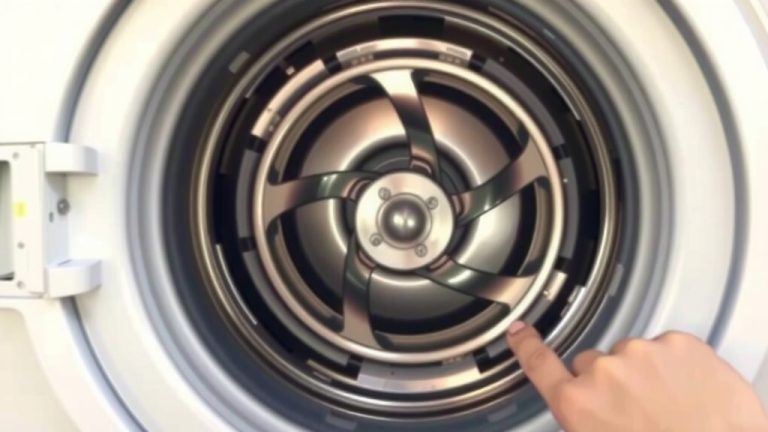
Front-load washers have a door on the front that swings open. Clothes are tumbled and lifted by baffles inside the drum. Gravity helps pull the clothes down through the water. This tumbling action is what creates the cleaning power. They typically use much less water than most top-loaders. This is a big reason why they often win awards for energy efficiency.
Washing Performance: Which Cleans Better?
This is where we see a major difference. Front-load washers are generally considered superior cleaners. The tumbling action can reach more areas of the fabric. It mimics hand washing more closely. This means stains and dirt are often removed more effectively. Many studies have shown front-loaders excel at stain removal (Good Housekeeping Institute).
Top-loaders, especially older agitator models, can sometimes leave clothes tangled or unevenly cleaned. HE top-loaders with impellers perform better. They move clothes more freely. However, even they don’t quite match the deep clean provided by a front-loader’s tumbling action.
Water and Energy Usage: The Efficiency Factor
If you’re looking to save on your utility bills, front-loaders are the clear winners. They use significantly less water per load. The U.S. Department of Energy states that ENERGY STAR certified front-load washers use about 30% less water and 50% less energy than standard top-load models.
Less water means less energy is needed to heat that water. This translates directly into lower electricity bills over time. While HE top-loaders also save water and energy compared to traditional ones, they still typically use more than front-loaders. This is a key factor for environmentally conscious households.
Gentle Fabric Care: Protecting Your Wardrobe
Do you have delicate items or clothes you want to last a long time? Front-loaders are much gentler on fabrics. The absence of a central agitator means less friction and strain on your garments. Clothes aren’t being twisted and pulled as aggressively.
This gentler approach can extend the life of your clothing. You might notice less pilling, stretching, or wear and tear over time. While some HE top-loaders have fabric-softening cycles, the inherent tumbling action of a front-loader is a major advantage for fabric longevity.
Cycle Times and Convenience: What’s Your Priority?
Here’s where top-loaders often shine. Traditional top-load washers typically have the shortest cycle times. You can often complete a load in 30-40 minutes. This is fantastic if you need to do laundry in a hurry. You can also add clothes mid-cycle quite easily with most top-loaders.
Front-loaders, while cleaner, tend to have longer wash cycles. These can range from 50 minutes to over an hour. This is partly due to their water-saving technology and gentler wash action. Adding clothes mid-cycle can also be tricky with front-loaders, though some newer models have options for this.
Ease of Use and Accessibility
For many people, the ease of simply tossing clothes in from the top is a big plus. You don’t have to bend down as much to load or unload. This is especially helpful for individuals with back or knee issues. You can also see exactly what’s happening inside the drum with a clear lid.
Front-loaders require bending down to load and unload. This can be a drawback for some. However, many people opt for pedestals that raise the front-loader. This elevates the machine, reducing the need to bend. It also provides extra storage space beneath the washer and dryer.
Capacity and Size Considerations
When it comes to sheer load size, front-loaders often win. Their drum design allows for larger capacities. This means you can wash more clothes at once, potentially reducing the number of loads you need to do each week. This is great for larger families.
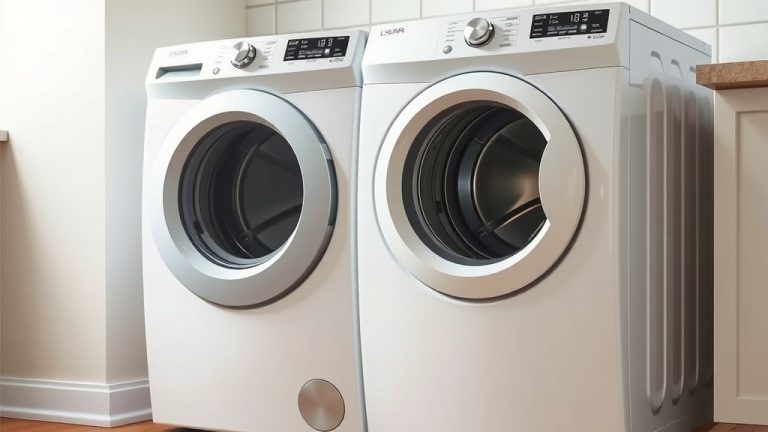
Many HE top-loaders also offer large capacities. However, the presence of an impeller or agitator can sometimes limit how densely you can pack them. If you’re tight on space, front-loaders have another advantage: they can be stacked. A matching dryer can be placed directly on top of the washer, saving valuable floor space in your laundry room.
Cost: Upfront vs. Long-Term Expenses
Generally, top-load washers have a lower upfront purchase price. You can find a basic top-loader for a few hundred dollars. Front-loaders tend to be more expensive initially, often starting at $600-$800 and going up from there, especially for high-end models.
However, we must look at the long-term costs. Front-loaders save money on water and energy bills consistently. Over the lifespan of the appliance, these savings can outweigh the higher initial investment. Research indicates that the energy and water savings from a front-loader can amount to hundreds of dollars over 10 years (Energy Star).
Maintenance and Potential Issues
Top-load washers, particularly those with agitators, are generally considered very reliable. They have fewer complex electronic components in simpler models. Their designs are time-tested.
Front-loaders can sometimes develop mold or mildew around the door seal if not properly maintained. Leaving the door ajar after use and wiping down the seal regularly can prevent this. They also have more sophisticated electronics, which could potentially lead to more complex repairs if issues arise.
To make your decision easier, consider this quick checklist:
- Do you prioritize faster wash times?
- Is gentle fabric care a top concern?
- Are lower water and energy bills important to you?
- Do you have a large family with big laundry loads?
- Is stacking your washer and dryer a possibility for space-saving?
- Is ease of loading without bending a major factor?
Conclusion
Ultimately, the best washer and dryer choice depends on your unique needs. Front-loaders often provide a superior clean and excel in energy efficiency, saving you money over time and being gentler on clothes. Top-loaders offer faster cycles and a lower initial cost, with easy loading. We found that for most households aiming for better performance and long-term savings, a front-load pair is often the smarter investment. Consider your budget, laundry habits, and space, then make the choice that best fits your lifestyle.
Frequently Asked Questions
Can I stack a top-load dryer on a top-load washer?
No, you generally cannot stack a top-load dryer on top of a top-load washer. Stacking kits are designed for front-load washers and dryers, allowing the dryer to be securely placed on top of the washer for space-saving.
How do I prevent mold on my front-load washing machine?
To prevent mold and mildew in your front-loader, leave the door ajar after each use. Regularly wipe down the rubber door seal with a damp cloth. Running an occasional cleaning cycle with a washing machine cleaner can also help.
Which type of washer is better for people with back problems?
For individuals with back issues, a top-load washer is often easier to use. You don’t need to bend over as much to load or unload laundry, which can be more comfortable and less strenuous on your back.
Do front-load washers actually clean clothes better than top-loaders?
Yes, research indicates front-load washers generally clean clothes better. Their tumbling action, driven by gravity, allows clothes to move more freely and deeply through the water, leading to more effective stain removal and a more thorough wash.
Are high-efficiency (HE) top-load washers as efficient as front-load washers?
HE top-load washers are more efficient than traditional top-loaders, using less water and energy. However, front-load washers typically still use less water and energy than HE top-loaders. They are generally considered the most efficient option available.