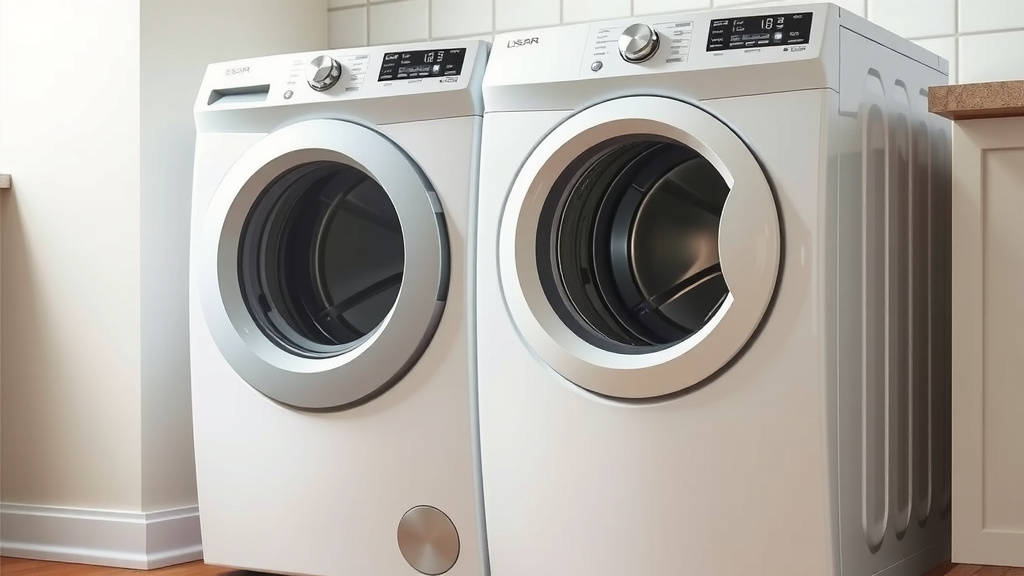
Choosing the Best Washer Dryer Combo for Your Home
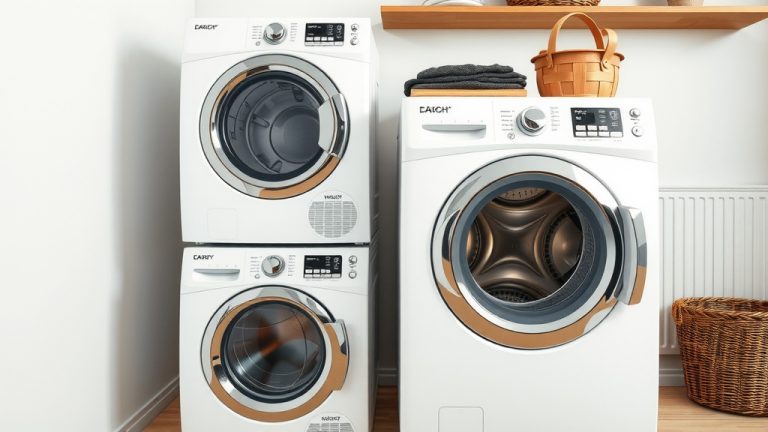
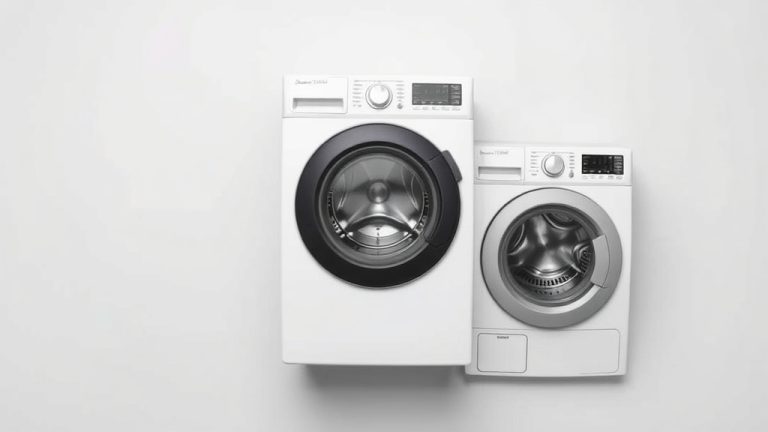
Finding the best dryer and washer to buy can feel overwhelming, but we’ve got you covered. The top choice for many households often comes down to a balance of efficiency, capacity, and smart features. Consider front-load washers for better cleaning and water savings, paired with a large-capacity dryer. Many experts recommend brands known for reliability and good customer reviews.
Your laundry needs are unique, so the “best” can depend on your household size and habits. We found that different types, like stackable units or all-in-one combos, suit various living spaces. Energy Star certified models are often a smart investment for saving money on utility bills over time. Think about the noise level too; quieter machines are a big plus for many.
TL;DR:
- Front-load washers often offer better cleaning.
- Look for Energy Star certified appliances.
- Consider capacity based on your family size.
- Reliability and good reviews are key indicators.
- Smart features can add convenience.
Ready to find the perfect laundry pair for your home? Let’s dive into the details and help you make a confident choice that fits your needs.
Choosing Your Ideal Laundry Pair
Finding the best washing machine and dryer combo for your home is about more than just picking pretty appliances. It’s about matching your household’s unique needs with smart technology. We’ve looked into what makes a laundry pair a winner. Think about what you wash most and how often. This will guide you to the perfect fit.
Understanding Washer Types
Your washing machine is the workhorse. Its type can greatly affect cleaning performance and efficiency. We found that most people consider either top-load or front-load models. Each has its own set of pros and cons.
Top-Load Washers
These are the classic machines many grew up with. They often come with an agitator in the center. This is great for scrubbing clothes clean. Many people find them easier to load. You can also add forgotten items mid-cycle. However, they tend to use more water. They can also be a bit rougher on delicate fabrics.
Front-Load Washers
Front-load washers use a tumbling action. This is much gentler on your clothes. They also use significantly less water than top-loaders. This makes them a more eco-friendly choice. Many experts also find they clean clothes more thoroughly. The downside? They can be more expensive upfront. You might also need to bend over to load them.
Dryer Technology Explained
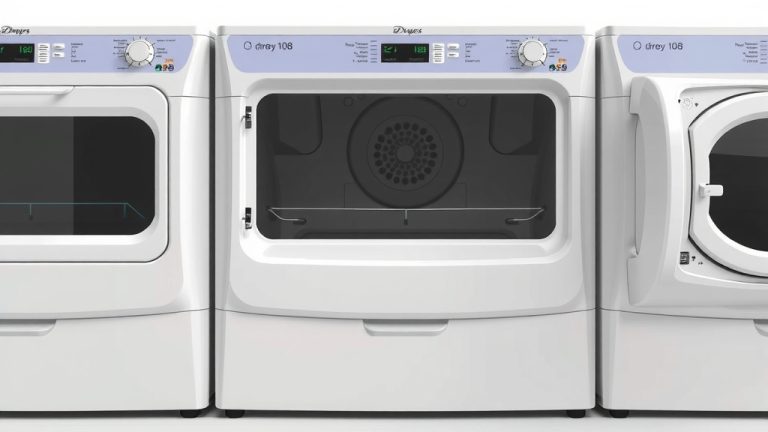
Your dryer removes moisture from clothes after washing. Modern dryers offer various ways to do this. Each method impacts energy use and drying time. We’ve researched the main types to help you decide.
Electric Dryers
These are the most common type. They plug into a standard outlet. They are generally less expensive to buy. Electric dryers can heat up quickly. However, they use a lot of energy. This can lead to higher utility bills over time.
Gas Dryers
Gas dryers require a gas line hookup. They often dry clothes faster than electric models. Many people find them to be more energy-efficient in the long run. The initial cost of a gas dryer might be higher. You also need to ensure you have a gas line available.
Heat Pump Dryers
These are a newer, super-efficient option. Heat pump dryers recirculate hot air. They don’t vent outside like traditional dryers. This makes them perfect for apartments or small spaces. They are incredibly energy-saving. The drying cycles can be longer. They also have a higher purchase price.
Key Features to Consider
Beyond the basic type, many features can enhance your laundry experience. We found that focusing on a few key areas can make a big difference. Think about your daily routine and what would simplify it.
Capacity Matters
How much laundry do you do? If you have a large family, you’ll need a large-capacity washer and dryer. This means fewer loads and less time spent doing chores. For smaller households or couples, a standard capacity might be just fine.
- Extra-large loads (king-size comforters) fit in 5.0 cu. ft. or more.
- Large loads (family of 4-5) typically need 4.0-4.9 cu. ft.
- Medium loads (1-3 people) are good with 3.0-3.9 cu. ft.
Smart Technology and Convenience
Are you a tech enthusiast? Smart appliances connect to your home Wi-Fi. You can monitor cycles, get alerts, and even download new wash programs. This can add a layer of convenience you might not have realized you needed. Some models even offer self-diagnosis features.
Energy Efficiency Ratings
Look for the Energy Star label. Appliances with this certification meet strict energy efficiency guidelines set by the U.S. Environmental Protection Agency. Using Energy Star certified washers and dryers can lead to significant savings on your utility bills. Many guidelines point to this as a smart first step (EPA). They also help reduce your environmental impact.
Noise Levels
Some washing machines and dryers can be quite loud. If your laundry area is near living spaces, this can be annoying. We found that many manufacturers now design quieter models. Look for terms like “quiet operation” or “vibration reduction.” Some high-end models even use special suspension systems.
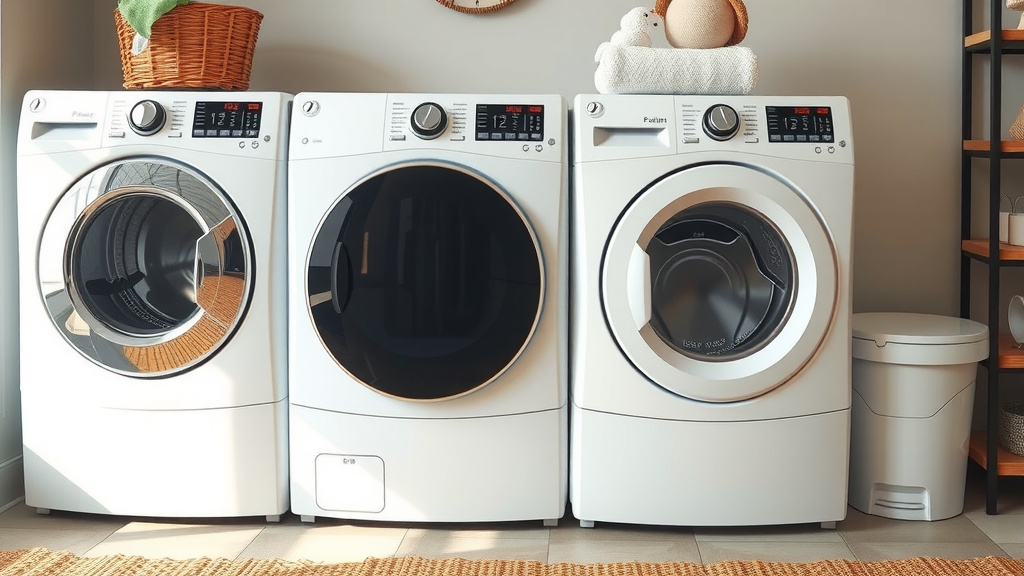
Making Your Final Choice
We know that choosing the right appliances is a big decision. It’s an investment in your home. Here’s a quick checklist to help you stay on track.
- Capacity: Match it to your family size and laundry habits.
- Type: Decide between top-load, front-load, electric, gas, or heat pump.
- Efficiency: Prioritize Energy Star certified models for savings.
- Features: Consider smart tech, steam cycles, or specialized wash options.
- Budget: Set a price range that works for you.
- Reviews: Check user feedback for reliability and performance.
Many experts suggest reading reviews from multiple sources. This gives you a well-rounded picture of how an appliance performs in real-world conditions. Think about brands known for durability and good customer support. Doing a little research now can save you headaches and money down the line. You deserve a laundry setup that works for you!
Conclusion
You’ve got the knowledge to pick your perfect laundry pair! We found that considering capacity for your family size is key. Deciding between washer types like front-load or top-load matters for cleaning and water use. For dryers, electric, gas, and heat pump all have their pros. Always check for Energy Star certification to save money and energy. By balancing these features with your budget and reading real user reviews, you’re set to make a confident purchase. Your next step? Start comparing models that fit your researched needs.
Frequently Asked Questions
How much does a good washer and dryer set usually cost?
The cost can vary widely, but you can expect to spend anywhere from $1,500 to $3,000 or more for a reliable, mid-range set. Mid-tier models often balance essential features with good performance. High-end units with advanced smart technology will naturally cost more.
Are front-load washers truly better than top-load?
Generally, front-load washers are considered more efficient and gentler on clothes. We found they use less water and spin clothes drier, reducing dryer time. Top-loaders are often less expensive upfront and allow adding items mid-cycle, which many users appreciate.
What is a heat pump dryer, and is it worth the extra cost?
A heat pump dryer is a highly energy-efficient option that recycles hot air instead of venting it outside. While the upfront cost is higher, they can lead to significant savings on your energy bills over time. They are a great choice if you’re looking for maximum efficiency.
Should I prioritize smart features on my washer and dryer?
Smart features, like app control and cycle notifications, add convenience for many households. If you enjoy managing your home tech or want to optimize laundry schedules remotely, they can be a great addition. However, they aren’t essential for effective washing and drying and can increase the price.
How often should I clean my washing machine and dryer?
You should clean your washing machine drum monthly using a specialized cleaner or vinegar and baking soda. For dryers, clean the lint filter after every load. We also recommend checking and cleaning the dryer vent at least twice a year to prevent fire hazards and ensure efficiency.