Front Load vs Top Load Washers: Which Is Best For You
When choosing a new washing machine, deciding between a front load and a top load model can feel like a big choice. Both have their own advantages, but front load washers generally offer better cleaning performance and are more energy-efficient, making them a smart long-term investment for many households. They also tend to be gentler on your clothes.
While top load washers are often more affordable upfront and can be simpler to operate, especially for quick loads, front loaders often win out in terms of overall water savings and spin speed, which means drier clothes and shorter drying times. Think of it as a trade-off between initial cost and long-term benefits for your laundry routine and your wallet.
- Front loaders usually clean better and are more water-efficient.
- Top loaders are often cheaper to buy and simpler to use.
- Front loaders are gentler on your clothes.
- Top loaders are good for quick washes.
- Consider long-term costs and clothing care when choosing.
Let’s break down the key differences between front load and top load washing machines so you can make the best choice for your home.
Comparing Your Washing Machine Options: Front Load vs. Top Load
When it comes to washing clothes, the type of machine you choose makes a real difference. You’re likely weighing the pros and cons of front load versus top load washers. We’ve looked into what makes each tick to help you decide.
Understanding the Mechanics: How They Work Differently
The Tumbling Action of Front Loaders
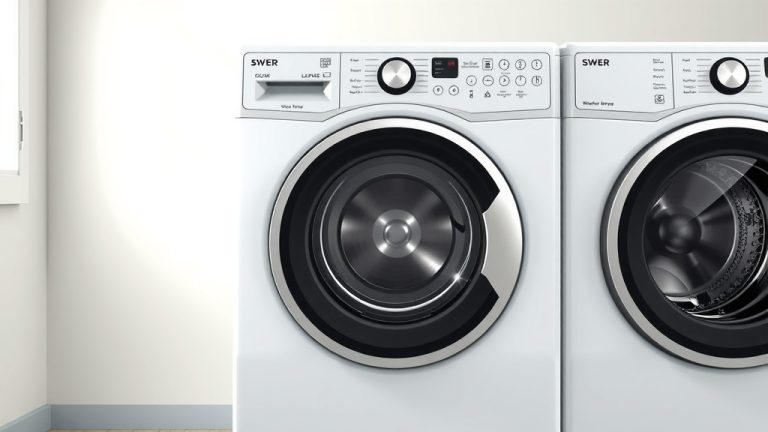
Front load washers use an axis that runs horizontally. Your clothes tumble through a small amount of water. This tumbling motion is like a gentle massage for your fabrics. Many studies show this method provides a deeper clean. It also uses less water compared to older top loaders.
The Agitation Method of Top Loaders
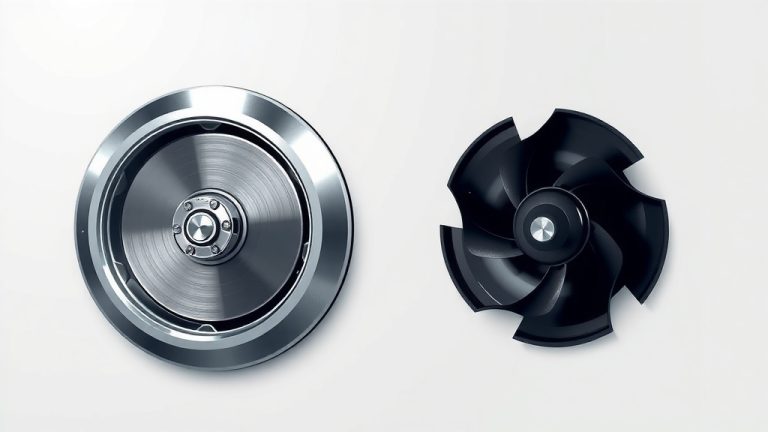
Top load washers have a vertical axis. They typically use an agitator or an impeller. The agitator is a tall spindle in the middle. It twists and turns your clothes. Impellers are low-profile discs with fins. They spin and move clothes around. This method can be tougher on fabrics over time.
Performance Differences: Cleaning Power and Fabric Care
Superior Cleaning with Front Loaders
Research consistently shows that front load washers excel at stain removal. The tumbling action helps detergents penetrate fabrics better. This means fewer repeat washes for tough spots. You’ll find your clothes come out looking and feeling cleaner. This is especially true for heavily soiled items.
Gentler Treatment for Your Wardrobe
One of the biggest perks of front loaders is how they treat your clothes. Because there’s no central agitator, fabrics aren’t stretched or snagged. This means your favorite shirts and delicate items last longer. Many experts suggest front loaders can extend the life of your wardrobe. You’ll see less wear and tear over the years.
Top Loaders: A Quicker, Sometimes Harsher Wash
While top loaders might seem simpler, their cleaning action can be more aggressive. The agitator can cause friction and stress on fibers. This can lead to premature wear. However, for everyday loads, they get the job done. Some people prefer the simplicity and speed for quick washes.
Water and Energy Efficiency: What Saves You Money?
The Water-Saving Champion: Front Loaders
Front loaders are significantly more water-efficient. They use about 40% less water than traditional top loaders. This is because they only need enough water to moisten the clothes being tumbled. Less water also means less energy needed to heat that water. This translates to lower utility bills. Many environmental guidelines recommend front loaders for their conservation efforts.
Energy Consumption Insights
Beyond water savings, front loaders generally consume less energy. Their high-speed spin cycles extract more water from clothes. This reduces drying time. Shorter drying times mean your dryer runs less often. Over time, this energy efficiency adds up to noticeable savings on your electricity bill. The U.S. Department of Energy often highlights these efficiency gains.
Top Loaders: Higher Consumption
Older top load models, especially those with central agitators, use more water. They also tend to use more energy to heat the larger volumes of water required for a full wash cycle. While newer high-efficiency top loaders have improved, front loaders still often hold the edge in overall efficiency.
Capacity and Convenience Factors
Loading and Unloading Your Washer
Front loaders bend down to load and unload. Some people find this inconvenient, especially those with back issues. However, many models offer pedestals. These raise the machine, making it easier to access. Top loaders are easier to load without bending. You can also add forgotten items mid-cycle easily.
The “Add-a-Garment” Feature
Many top load washers allow you to pause the cycle and add a forgotten sock or two. Front loaders often have a similar feature, but it usually only works at the very beginning of the cycle. Once the water fills, adding items can be tricky or impossible. This convenience factor leans towards top loaders for some users.
Capacity Comparison: What Fits Inside?
Both types come in various capacities. However, front loaders often boast larger drum sizes. This means you can wash bigger loads. Think bulky comforters or a week’s worth of family laundry. You can fit more clothes in a front loader, potentially reducing the number of loads you need to do each week.
Cost Considerations: Upfront vs. Long-Term
Initial Purchase Price
Generally, top load washers have a lower upfront cost. You can find basic top loaders at a more budget-friendly price point. Front load washers typically represent a larger initial investment. However, their advanced features and efficiency often justify the higher price tag.
Long-Term Savings with Front Loaders
While the initial cost is higher, front loaders often save you money over their lifespan. The reduced water and energy consumption can lead to significant savings on utility bills. Many people find that these savings offset the higher purchase price within a few years. It’s a classic case of investing more upfront for greater returns later.
Maintenance and Repair Costs
Maintenance can vary. Front loaders have complex electronic controls and door seals that can sometimes require attention. Top loaders, especially older agitator models, might be simpler to repair. However, with proper care, both types can last many years. Reading reviews for specific models can give you a better idea of potential repair histories.
Noise Levels and Vibration
Quieter Operation in Many Front Loaders
Many front load washers are designed for quieter operation. Their build quality and advanced suspension systems help reduce noise and vibration. This is especially true for models with higher spin speeds. They tend to feel more stable during the spin cycle.
Top Loaders Can Be Noisier
Top loaders, particularly older models, can sometimes be noisier. The agitation process and the movement of water can create more sound. Vibration can also be more pronounced, especially if the machine isn’t perfectly balanced.
Making Your Final Decision: A Quick Checklist
To help you decide, consider these points:
- Do you prioritize energy and water savings?
- Is gentleness on clothes important for your wardrobe?
- What’s your budget for upfront costs?
- Do you need to wash large or bulky items frequently?
- Is a quiet operation a must-have for your home?
- How important is the ease of adding clothes mid-cycle?
Conclusion
Choosing between a front load and top load washer involves weighing your priorities. Front loaders often win for energy and water savings, offering a gentler clean that extends your clothes’ life. While they typically cost more upfront, the long-term savings on utilities can be substantial. Top loaders remain a popular choice for their lower initial cost and the convenience of adding clothes mid-cycle. Consider your budget, laundry habits, and how you want your clothes to be treated. Visit a local appliance store to see them in person and feel the difference.
Frequently Asked Questions
Are front load washers really better for my clothes?
Yes, research shows front load washers are generally gentler. Their tumbling action mimics hand washing, reducing snags and stretching compared to the agitator in many top loaders. This can help your favorite garments last longer and maintain their shape.
Which type of washer will save me more money on utility bills?
Front load washers are typically more water and energy-efficient. They use less water per cycle and their high spin speeds extract more moisture, reducing dryer time. Over the years, these savings can add up to a noticeable difference on your bills.
Can I still do quick washes with a front loader?
Many modern front load washers offer quick wash cycles. While they may not always be as fast as a top loader’s simplest cycle, they are designed to handle smaller, lightly soiled loads efficiently. Always check the specific cycle options on the model you’re considering.
Is a top loader easier to load and unload if I have back pain?
For many people, top loaders are easier as they don’t require bending down. If you choose a front loader but are concerned about bending, consider models that come with optional pedestals. These pedestals raise the washing machine, making loading and unloading more comfortable.
Which type of washer is better for washing bulky items like comforters?
Front load washers often have larger drum capacities, making them better suited for bulky items. You can typically fit larger loads, including comforters and blankets, more easily into a front loader without overcrowding the drum.