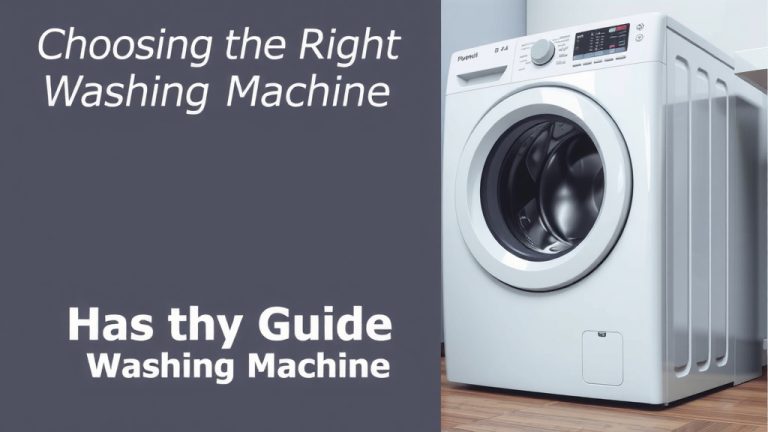
Front Load vs Top Load Washer: Which Is Best for You
When choosing a new washing machine, the debate often comes down to front load vs. top load. While both get your clothes clean, front loaders generally offer better cleaning performance and are more energy and water efficient. Top loaders, on the other hand, are typically more affordable upfront and allow you to add clothes mid-cycle.
Your choice depends on your priorities. Do you need the gentlest wash for delicate items? Or is a faster cycle and simpler operation more important? We found that front-load washers often require a longer wash time but deliver superior results. Top-load models may be easier on your back. They also come in two main types: traditional agitators and newer high-efficiency impellers.
- Front loaders clean better and use less water.
- Top loaders are cheaper to buy and let you add clothes mid-wash.
- Front loaders are more energy efficient.
- Top loaders can be harder on clothes with agitators.
- Consider your budget and laundry needs carefully.
Let’s break down the key differences between front load and top load washers to help you make the best decision for your home.
Understanding Your Washing Machine Options: Front Load vs. Top Load
Deciding between a front load and a top load washer is a big choice for your laundry room. We’ve researched the pros and cons of each. This guide will help you find the perfect fit for your home and your laundry habits. Both types clean clothes, but they do it differently. Your decision really comes down to what matters most to you.
How Front Load Washers Work and Their Advantages
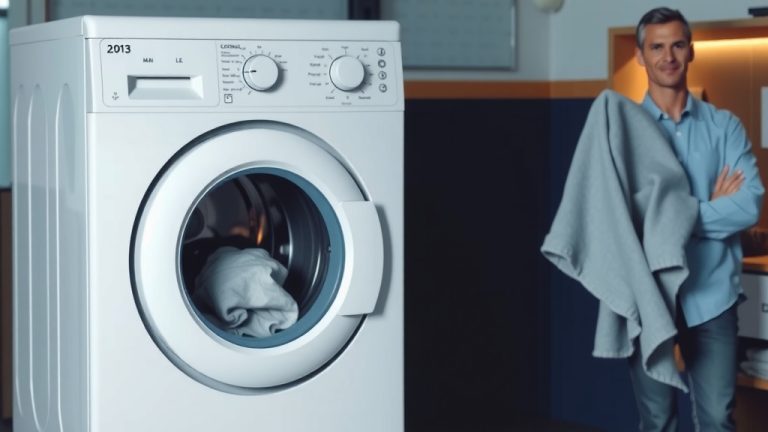
Front load washers use a horizontal drum that tumbles clothes through a small amount of water. This tumbling action is gentler on fabrics. It also allows for a more thorough clean by forcing water through the clothes. Many energy-efficient models use this design.
Superior Cleaning Performance
When it comes to getting clothes truly clean, front loaders often come out on top. The tumbling action mimics hand washing more closely. This helps to lift dirt and stains effectively. We found that this method is particularly good for tackling tough grime.
Energy and Water Efficiency
One of the biggest draws of front load washers is their efficiency. They use significantly less water per load than traditional top loaders. This is because the drum only needs to be partially filled to move the clothes. Less water means less energy needed to heat it up, if you use hot water. The U.S. Department of Energy notes that efficient washing machines can save you money on utility bills.
Gentle on Your Clothes
If you have a lot of delicate items or clothing you want to last longer, a front loader is a great choice. The lack of an agitator means clothes rub against each other, not a central post. This reduces wear and tear on your garments. You’ll notice less stretching and snagging over time.
Higher Spin Speeds Mean Less Drying Time
Front load washers typically spin much faster than top load models. This extracts more water from your clothes before they go into the dryer. As a result, your drying time can be significantly reduced. This saves energy and can get your laundry done quicker.
Stackable Design for Space Saving
Many front load washers are designed to be stackable. You can place a matching dryer directly on top of the washer. This is a fantastic space-saving solution for smaller homes or apartments. It allows you to double your laundry capacity without taking up extra floor space.
Exploring Top Load Washers: Types and Benefits
Top load washers, as the name suggests, load from the top. There are two main types: those with a central agitator and those with an impeller. Both have their own set of advantages.
Traditional Agitator Top Loaders
These are the classic washing machines many of us grew up with. They have a tall, finned post (the agitator) in the center of the drum. The agitator twists and turns, moving clothes through the water. This method can be very effective at cleaning heavily soiled items.
Pros of Agitator Models
- They often have faster cycle times compared to front loaders.
- They are generally less expensive to purchase upfront.
- You can easily add clothes mid-cycle by lifting the lid.
Cons of Agitator Models
The main drawback is that agitators can be rough on clothes. The constant churning can lead to stretching, snagging, and faster wear. Many experts suggest this can shorten the lifespan of your garments.
High-Efficiency (HE) Impeller Top Loaders
These newer top load models have replaced the agitator with a low-profile cone or disc at the bottom of the drum. This impeller uses fins or discs to move clothes around. They use less water than agitator models. They also tend to be gentler on fabrics.
Pros of Impeller Models
- They offer a larger capacity than agitator models.
- They are gentler on clothes than agitator washers.
- They use less water and are more energy efficient than older top loaders.
Cons of Impeller Models
Cycle times can sometimes be longer. Cleaning performance for very heavy soils might not be as robust as agitator models or front loaders. You can still add clothes mid-cycle, but it’s not always as straightforward as with agitator models.
Ease of Use and Accessibility
For many people, top load washers are simply easier to use. You don’t have to bend over as much to load and unload clothes. This is a significant benefit for those with back problems or mobility issues. Plus, the ability to toss in a forgotten sock midway through a cycle is a convenience many appreciate.
Key Differences at a Glance
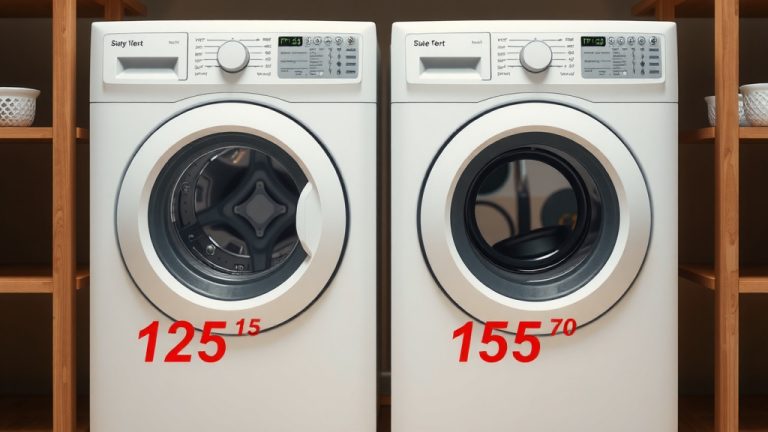
To help you visualize, let’s look at a quick comparison. We found that these are the main points to consider:
| Feature | Front Load Washer | Top Load Washer (Agitator) | Top Load Washer (Impeller) |
|---|---|---|---|
| Cleaning Performance | Excellent | Very Good for heavy soil | Good |
| Water Usage | Lowest | Highest | Medium |
| Energy Efficiency | Highest | Lowest | Medium |
| Gentle on Clothes | Best | Harshest | Good |
| Cycle Time | Longest | Shortest | Medium |
| Add Clothes Mid-Cycle | Difficult/Impossible | Easy | Possible (may pause cycle) |
| Upfront Cost | Highest | Lowest | Medium |
| Stackable | Yes | No | No |
Making the Right Choice for Your Laundry Room
Now that you know the differences, consider your own needs. Think about these questions:
- What is your budget for a new washing machine?
- How much laundry do you typically do?
- Do you wash a lot of delicate items?
- Is space a major concern in your laundry area?
- How important are energy and water savings to you?
Your answers will guide you toward the washer that best suits your lifestyle. For instance, if you have a large family and need to wash bulky items, a larger capacity top loader might appeal. If you prioritize a deep clean and water savings, a front loader could be your answer.
Conclusion
Deciding between a front load and top load washer boils down to your priorities. Front loaders offer superior cleaning and efficiency, saving you water and energy long-term. Top loaders, especially impeller models, provide a good balance of capacity and gentleness at a lower upfront cost. Agitator models are budget-friendly and fast but can be tough on clothes. Consider your budget, laundry habits, and the space you have. We found that the best choice is the one that fits your lifestyle and laundry needs perfectly. Your next step is to visit a local appliance store to see these models in person!
Frequently Asked Questions
Which type of washer is better for heavily soiled clothes?
For tough stains and heavily soiled items, agitator top load washers often excel. Their design and vigorous action can powerfully tackle dirt. However, front load washers also provide excellent cleaning performance through their tumbling action, which is gentler.
How often should I clean my front load washer?
It’s recommended to clean your front load washer at least once a month. This helps prevent mold and mildew buildup, which can cause odors. You can use a specialized washing machine cleaner or a mixture of vinegar and baking soda for a deep clean.
Can I really save money with a more efficient washer?
Yes, you can! More energy and water-efficient washers, like most front loaders, use less electricity and water per cycle. Over time, this translates to lower utility bills. The initial higher cost is often offset by these ongoing savings.
Are top load washers less expensive to repair?
Generally, top load washers, particularly older agitator models, can be less expensive to repair. Their mechanical designs are often simpler. Front load washers may have more complex electronics and seals that can be costlier to replace.
Which washer type is better for people with back pain?
Top load washers are often a better choice for individuals experiencing back pain. You don’t need to bend down as much to load and unload laundry. This makes them more accessible and comfortable to use daily.