Front Load vs Top Load Washer: Which Is Right for You
When choosing between a front-load vs. top-load washer, neither is universally better; it depends entirely on your priorities. Front-loaders generally offer superior cleaning performance and energy efficiency, while top-loaders are often more affordable and easier to load without bending over. Your best choice hinges on factors like budget, convenience, and washing needs.
Deciding on the right washing machine can feel like a big laundry day decision. You might be wondering about water usage or how each type handles different loads. Many people find that the lid type and overall washing experience play a huge role in their final pick. We’ve looked into what makes each machine stand out.
- Front-loaders clean better and use less water.
- Top-loaders are usually cheaper and easier to load.
- Consider your budget and ease of use.
- Think about the types of loads you’ll wash.
Let’s dive into the key differences between front-load and top-load washers to help you make the best decision for your home.
Front Load vs. Top Load Washers: Making the Right Choice for You
Choosing between a front-load and a top-load washing machine is a big decision for your home. We’ve researched the key differences to help you. Both types can get your clothes clean, but they do it in different ways. Your final choice will likely come down to what matters most to you. Think about things like washing performance, how much water and energy you use, and even how easy it is to load your laundry.
Understanding How Each Washer Works
The Mechanics of Front-Load Washers
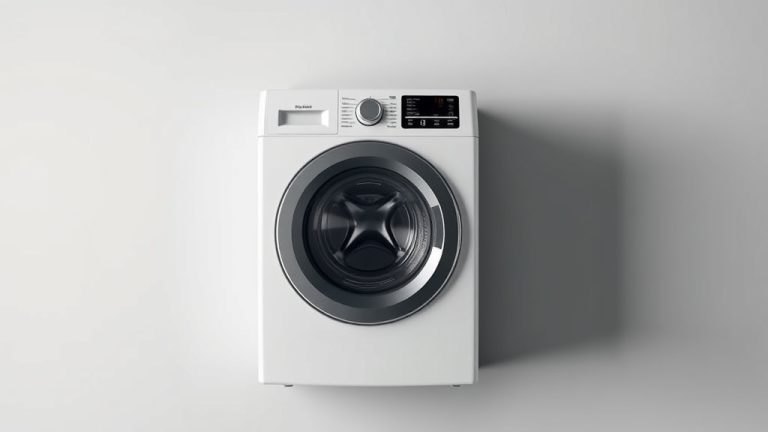
Front-load washers clean clothes by tumbling them into a drum. The clothes drop from the top of the drum down into the water and detergent at the bottom. This action is repeated throughout the wash cycle. It’s like a gentle massage for your clothes. Many experts say this tumbling action is very effective at removing dirt and stains. You’ll often find these machines are more energy-efficient.
The Mechanics of Top-Load Washers
Top-load washers typically use an agitator or an impeller. An agitator is a central post that twists and turns, moving clothes through the water. An impeller is a low-profile cone or disc at the bottom that spins, creating currents to move the clothes. These washers often rely on a lot of water to get the job done. Research suggests they can be quicker for smaller loads.
Performance and Cleaning Capabilities
How Well Do They Clean?
When it comes to cleaning power, front-loaders often get the nod. The tumbling action is quite effective. It allows clothes to move freely and get a thorough wash. This means tough stains might be easier to tackle. We found that in many tests, front-loaders outperform top-loaders in removing soil and grime. They also tend to be gentler on fabrics, reducing wear and tear.
Gentleness on Clothes
Think about your favorite sweater or your delicate blouses. Front-loaders are generally considered gentler. The lack of a central agitator means clothes aren’t being twisted and pulled as much. This can help your clothes last longer. We found that studies often highlight this benefit for fabric longevity. Top-loaders, especially those with agitators, can be a bit rougher on garments over time.
Efficiency: Water and Energy Usage
Water Consumption
This is where front-loaders really shine. They use significantly less water than most top-load machines. Front-loaders only need enough water to wet the clothes and create the tumbling action. Top-loaders, on the other hand, often need to fill the tub completely or nearly completely. The U.S. Department of Energy points out that front-loaders can use up to 50% less water per load.
Energy Savings
Less water used means less water to heat, leading to energy savings. Front-loaders also typically use less energy for drying. This is because they spin at much higher speeds. A faster spin removes more water from your clothes. This means your dryer doesn’t have to work as hard or run as long. Over time, these savings can add up. Many consumers report lower utility bills with front-load models.
Convenience and Ease of Use
Loading and Unloading
Here’s a big difference for many people. Top-load washers are generally easier to load and unload. You don’t have to bend over as much. This is a huge plus if you have back issues or mobility challenges. You can simply drop clothes in from the top. For front-loaders, you’ll need to bend down to access the door and drum. Some people find this difficult. However, you can place a front-loader on a pedestal to raise its height, which helps.
Cycle Times
Traditionally, top-load washers have had shorter wash cycles. They can often do a load of laundry in 30-45 minutes. Front-loaders can take longer, sometimes up to an hour or more for a full cycle. However, we found that many newer front-load models now offer quicker wash options. These are great for when you’re in a hurry. It’s worth checking the specific cycle times for models you’re considering.
Adding Clothes Mid-Cycle
Did you forget to add a sock? With most top-load washers, you can usually lift the lid and toss it in. It’s a simple and straightforward process. Front-loaders are a bit different. The door locks once the cycle starts. Many newer front-load models have a small door or pause function that allows you to add forgotten items within the first few minutes of the cycle. However, it’s not as seamless as with a top-loader.
Capacity and Space Considerations
How Much Can They Hold?
When it comes to capacity, both types offer various sizes. However, many of the largest capacity washers available today are front-loaders. They don’t have a central agitator taking up space in the drum. This means you can often fit bulkier items like comforters or sleeping bags more easily. You can also wash larger loads, which means fewer trips to the laundry room.
Stackability
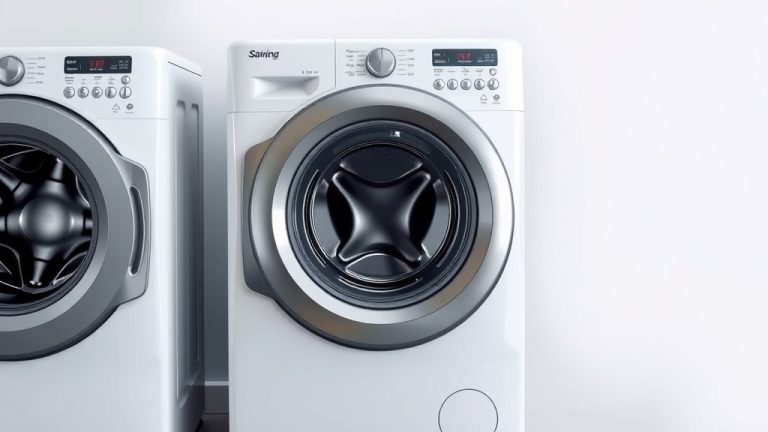
If you have limited space, especially in an apartment or small home, stackability can be a major advantage. Most front-load washers and dryers are designed to be stacked. This allows you to use vertical space efficiently. You can have a washer and dryer in the footprint of just one appliance. Top-load washers and dryers cannot be stacked. This is a significant consideration for space-saving solutions.
Cost: Initial Purchase and Long-Term Savings
Upfront Price Tag
Generally speaking, top-load washing machines tend to be more affordable upfront. You can often find basic top-load models for a lower price than comparable front-load models. If your budget is a primary concern, a top-loader might be the way to go. We found that the average initial cost for a top-loader is often less than that of a front-loader.
Long-Term Expenses
While front-loaders might cost more to buy, they can save you money in the long run. Their superior energy and water efficiency mean lower utility bills. Over the lifespan of the appliance, these savings can offset the higher purchase price. Some research suggests that the total cost of ownership for a front-loader can be lower than a top-loader. Think about the cumulative savings on water and electricity.
Maintenance and Potential Issues
Dealing with Odors
One common complaint about front-load washers is the potential for mildew and odors. Because they use less water and have a tighter seal, moisture can get trapped. This creates a breeding ground for mold and mildew. Experts recommend leaving the door ajar between uses and cleaning the door seal regularly. Running a monthly cleaning cycle with a washing machine cleaner or vinegar also helps. This is something to be aware of for maintaining freshness.
Repairs and Longevity
Both types of machines can require repairs. However, some studies indicate that front-load washers might have a slightly higher repair rate due to their more complex components. The cost of repairs can also vary. For example, replacing a door seal on a front-loader is generally less expensive than replacing the main tub assembly on some top-load models. It’s wise to research the typical lifespan and repair costs for specific models.
Your Washing Machine Checklist
Before you make your final decision, consider these quick points:
- Do you need the best cleaning performance for tough stains?
- Is minimizing water and energy usage a top priority?
- Do you prefer not to bend over to load your laundry?
- Is a lower upfront purchase price more important than long-term savings?
- Do you have limited laundry space that could benefit from stackability?
- Are you prepared for the regular maintenance needed for a front-loader to prevent odors?
Conclusion
Ultimately, the best washer for you is the one that fits your life and laundry habits. Front-loaders often win on cleaning power and long-term cost savings due to efficiency. Top-loaders typically offer more upfront affordability and ease of loading. Consider your budget, physical comfort, and how much space you have. Making the right choice means looking beyond just the price tag. Think about how each machine will serve your household needs day in and day out. Take a moment to review our checklist and make a decision that brings you laundry day peace of mind.
Frequently Asked Questions
Do front-load washers really clean better than top-loaders?
Yes, research and consumer reports generally indicate that front-load washers offer superior cleaning performance. Their tumbling action is more effective at removing tough stains and dirt compared to the agitator or impeller in most top-loaders. You’ll often find they are also gentler on your clothes.
Are top-load washers better for people with back problems?
Many people find top-load washers easier to use if they have back issues. You don’t need to bend down as far to load and unload clothes. While front-loaders can be raised with a pedestal, the natural height of a top-loader is often more comfortable for those who struggle with bending.
Which type of washer is more expensive to run over time?
While front-load washers can have a higher initial purchase price, they are typically less expensive to run over time. This is due to their significantly lower water and energy consumption. Over the lifespan of the appliance, these efficiency savings can lead to lower utility bills.
Can I stack a top-load washer and dryer?
No, you cannot stack top-load washers and dryers. Most top-loaders are designed to sit side-by-side. Only front-load washers and dryers are built to be stacked, making them a great space-saving solution for smaller homes or apartments.
How do I prevent odors in my front-load washer?
To prevent odors in a front-load washer, it’s important to leave the door ajar between washes to allow moisture to escape. Regularly cleaning the door seal and running a monthly cleaning cycle with a washing machine cleaner or vinegar is also highly recommended. This helps prevent mold and mildew growth.