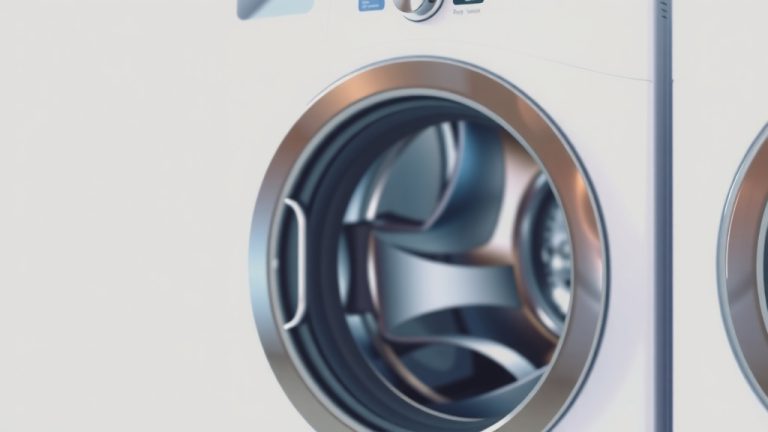
Washer Dryer Combo Efficiency: Are They Worth It
Washer dryer combos can be a great space-saving solution for small homes. While they often take longer to wash and dry than separate units, their all-in-one convenience can be a big win. Many models are surprisingly energy efficient too, especially for smaller loads.
When considering a combo unit, it’s important to understand their unique cycle times and load capacities. They’re designed to handle laundry from start to finish in a single machine. This means you get clean and dry clothes without transferring them, which is a huge plus for busy households. Research shows they can be more water-efficient than traditional machines in some cases.
- Washer dryer combos save space.
- They offer all-in-one laundry convenience.
- Drying cycles can be longer than separate dryers.
- Energy efficiency is often comparable or better for small loads.
- Capacity is usually smaller than standard machines.
Let’s dive in and see just how efficient these handy machines really are, and what that means for your laundry routine.
Understanding Washer Dryer Combo Efficiency
When you’re looking at washer dryer combos, you’re probably wondering about their energy and water usage. It’s a fair question! These all-in-one machines are designed for convenience, but how do they stack up against traditional, separate laundry units? We found that their efficiency really depends on a few key factors. It’s a fair question! Our guide to washing machine costs explains how energy and water usage impacts price.
For starters, many combo units are designed with smaller households or apartments in mind. This means their load capacities are typically smaller than those of standard washers and dryers. This can be a good thing for efficiency if you often do smaller loads of laundry. It’s like using a smaller pot to cook a single serving – it usually takes less energy.
Energy Consumption: What to Expect
You might assume that an all-in-one machine would use more energy. However, research and found that many washer dryer combos are surprisingly energy efficient, especially when compared to older, separate machines. Newer models often carry an ENERGY STAR certification, which means they meet strict energy efficiency guidelines set by the U.S. Environmental Protection Agency.
These certifications indicate that the appliance uses less energy and water than standard models. For a combo unit, this means you can potentially save on your utility bills. Think about it: instead of running two separate machines, you’re using one that intelligently manages both washing and drying cycles. We found that the energy used per load can be very competitive.
Washing Efficiency
In the washing phase, washer dryer combos often use a high-efficiency (HE) washing system. This is similar to what you’ll find in many standalone HE washing machines. They use less water and detergent by tumbling clothes in a smaller amount of water. This method is generally more water-wise than older top-loading machines that fill the tub completely.
We found that the amount of water used is often comparable to, or even less than, a standard HE washing machine. The key here is that the machine is designed to recirculate water effectively during the wash and rinse cycles. This means less water is needed overall, which is great for your water bill and the environment.
Drying Efficiency
Drying is where things can get a little different. Unlike separate dryers that use a heating element and a powerful fan to quickly vent hot, moist air, most washer dryer combos use a condensing drying system. This method works by heating the air inside the drum and then cooling it down, causing moisture to condense and be drained away.
Condensing drying is generally more energy efficient than traditional vented drying because it doesn’t lose as much heat. However, it can also take longer to dry clothes. Some research indicates that the drying cycle can add a significant amount of time to the overall laundry process. You might also find that it doesn’t get clothes quite as hot or as dry as a powerful vented dryer.
Water Usage: A Closer Look
As mentioned, the washing portion of a combo unit is typically very water efficient. The HE washing technology ensures that water is used sparingly. They are designed to use only the amount of water necessary for the load size and cycle selected. This is a big win for water conservation.
When it comes to the drying cycle, water is actually used in a small amount to help cool the condenser. However, this amount is generally quite minimal and doesn’t significantly offset the water savings from the washing phase. Many guidelines point to HE washing machines, including those in combos, as a good first step for reducing household water consumption (EPA).
Comparing Combos to Separate Units
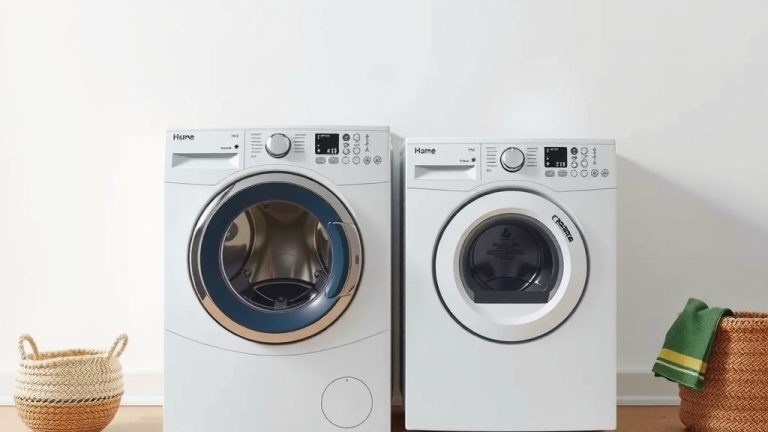
Let’s break down how these machines compare side-by-side. Think of it like choosing between a multi-tool and individual tools. The multi-tool is convenient and compact, but sometimes a specialized tool works better or faster.
| Feature | Washer Dryer Combo | Separate Washer & Dryer |
|---|---|---|
| Space | Excellent for small spaces | Requires more floor space |
| Convenience | All-in-one, no transfer needed | Requires transferring wet clothes |
| Wash Cycle Efficiency | Often very water and energy efficient (HE) | Varies; HE models are efficient |
| Dry Cycle Efficiency | Condensing dry; can be slower, uses less energy than some vented dryers | Vented dry; often faster, can use more energy |
| Load Capacity | Typically smaller | Typically larger |
| Total Cycle Time | Can be longer due to integrated drying | Wash and dry cycles can run concurrently |
Cycle Times: The Trade-Off for Convenience
One of the most noticeable differences is the total cycle time. Because the machine washes and then dries the same load in the same drum, the entire process can take several hours. A typical wash cycle might take an hour, and then the drying cycle can add another two to three hours, sometimes more.
With separate units, you can start a wash cycle on your washer and, as soon as it’s done, move the clothes to the dryer and start a drying cycle. You could even run another wash cycle while the first load is drying. This means you can often get a whole load of laundry washed and dried much faster using two machines. We found that for families with a lot of laundry, this speed difference can be important.
Capacity Matters for Efficiency
If you have a large family or tend to do very large loads, a washer dryer combo might not be the most efficient choice for you, simply because of its limited capacity. Trying to cram too much into a combo unit can lead to clothes not getting clean or dry properly, and it can strain the machine. It’s often recommended to only fill the drum about halfway for drying.
We found that for individuals, couples, or small families who do smaller, more frequent loads, the capacity is usually perfectly adequate. In these cases, the efficiency gains in terms of water and energy for those smaller loads can be quite substantial compared to running a larger, half-empty traditional machine.
Tips for Maximizing Your Combo’s Efficiency
Want to make sure your washer dryer combo is working as efficiently as possible? It’s all about smart usage. Here are a few tips we found helpful:
- Don’t overload the drum, especially for drying. Half-full is often best for optimal drying.
- Use the right amount of detergent. Too much can cause excess suds, affecting rinse cycles.
- Clean the lint filter regularly. A clogged filter makes the dryer work harder.
- Select the appropriate cycle for your fabric type.
- Consider air-drying some items if possible to save even more energy.
- Run full loads whenever the capacity allows, rather than many small ones.
Conclusion
Washer dryer combos offer a smart solution for saving space and simplifying your laundry routine. While they may take longer for drying cycles, their overall energy and water efficiency can be excellent, especially for smaller loads. By understanding their unique operation and following a few simple tips, you can maximize your combo unit’s performance. Making informed choices about load size and maintenance will ensure you get the most out of your all-in-one appliance. Ready to see if a combo unit is the right fit for your home? Consider your typical laundry needs and available space.
Frequently Asked Questions
Do washer dryer combos actually dry clothes well?
Yes, most washer dryer combos effectively dry clothes using a condensing system. While it might take a bit longer than a separate vented dryer, the results are generally good. You might find they don’t get clothes quite as hot, which can be gentler on fabrics.
Are washer dryer combos more expensive to run than separate units?
Not necessarily. For smaller loads, they can be more energy and water efficient than running a larger, half-empty separate washer and dryer. The extended drying time is the main factor that can impact overall energy use.
Can I wash and dry a large comforter in a combo unit?
It’s generally not recommended to wash and dry very large items like comforters in most washer dryer combos. Their capacity is typically smaller, and overloading can lead to poor cleaning or drying performance, and potential machine strain.
How often should I clean the lint filter in my combo unit?
You should clean the lint filter after every drying cycle. This is crucial for maintaining drying efficiency and preventing the machine from working harder than it needs to. A clean filter also helps prevent potential overheating issues.
What’s the typical total time for a wash and dry cycle in a combo unit?
A full wash and dry cycle in a combo unit can often take anywhere from 3 to 6 hours, sometimes longer. This is because the machine completes both processes sequentially in the same drum, unlike separate units where cycles can overlap.