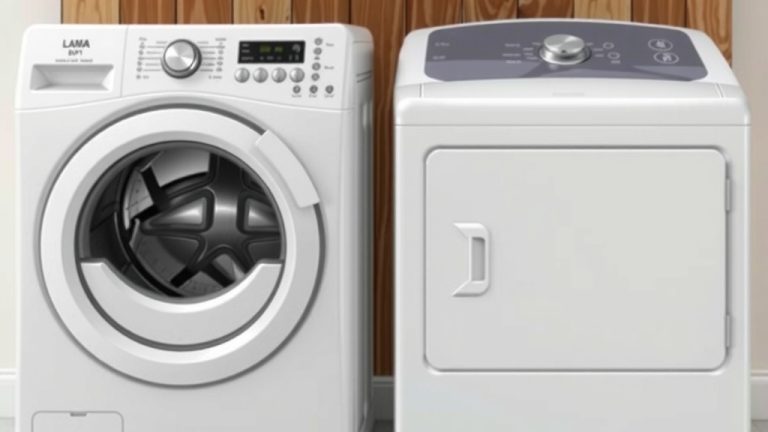
Washer Dryer Combo vs Standalone: 10 Key Differences
For most households, a standalone washer and dryer is the better choice because it offers larger capacity, faster cycles, and lower repair costs. A washer dryer combo wins if you live in a small apartment, condo, or RV where space is tight and venting outdoor air isn’t possible. We found that your living situation and laundry volume are the two biggest deciding factors in this matchup.
Choosing between the two isn’t just about price tags. You have to think about floor space, hookups, energy usage, and how long you’re willing to wait for clothes to dry. Many experts say that while combos save space, they often sacrifice drying performance and load size. That trade-off is the core of the washer dryer combo vs standalone debate.
- Space: Combos fit in a 24-inch cabinet; standalone units need 27+ inches and side-by-side room.
- Drying: Standalone dryers finish in 45-60 minutes; combos can take 2-4 hours for the same load.
- Capacity: Combos wash less (usually 2.4 cu ft) and dry even less; standalone units handle bulky bedding easily.
- Venting: Most combos are ventless (no outdoor duct needed); standalone dryers typically need a vent.
- Cost & repairs: Standalone units are easier to fix and cheaper to replace; combo repairs often cost as much as a new unit.
Below, we walk you through the real-world differences in capacity, drying time, installation, and long-term value so you can pick the right setup for your home.
Comparing a Washer Dryer Combo and Separate Machines
You need laundry that works for your home. We found that the decision comes down to space, time, and how much you wash. Let’s break down the real differences so you can feel confident about your choice.
Why Capacity Is the First Big Difference
Think about your biggest laundry day. Do you wash king-size comforters or heavy towels? That matters because capacity is where standalone units pull far ahead.
Most standalone washers offer 4.5 to 5.0 cubic feet of drum space. Combos typically max out around 2.4 cubic feet. That is a huge gap when you see it in person.
Here is why that matters: you can wash a large load in a standalone washer. With a combo, you often have to split that same load into two smaller batches. That means more time and more cycles.
Drying capacity is even more limited. Many combos can wash 2.4 cubic feet but only dry about half of that at once. You may need to remove half the wet clothes, dry them, and then dry the rest. That feels like a never-ending process.
We found that if you have a family of three or more, a standalone washer and dryer just makes sense. Bigger loads mean fewer loads per week. It saves you hours.
How Drum Size Impacts Your Daily Routine
Do you wash jeans, sheets, and towels together? A standalone unit handles that mix easily. A combo unit will struggle to fit everything in one go.
If you love bulky items like pillows or pet beds, you will appreciate the larger drum. You simply cannot wash those items in most combos without the load becoming unbalanced.
Many owners find they need to hand-wash or take bulky items to a laundromat. That is an extra errand nobody wants. So, ask yourself: do you value the convenience of washing anything at home?
Drying Performance: The Trade-Off Nobody Mentions
Here is the honest truth: a combo washes okay, but drying is the weak spot. Standalone dryers use hot air, tumbling, and a vent to remove moisture fast. Most combos are ventless and rely on a condensation process instead.
This makes a big difference. A standalone dryer can finish a full load in about 45 to 60 minutes. A combo can take two to four hours for the exact same amount of clothes. That is not an exaggeration. Many users report waiting all day for a single load to be ready.
Why does it take so long? The machine has to wash, rinse, spin, and then dry. It is doing everything in one drum. The drying process is slower because there is no external vent to push out humid air.
The Ventless Drying Explanation
Ventless dryers collect water in a tank or drain it down a pipe. This process works, but it is inefficient. It uses more energy and takes significantly longer to dry clothes.
Many experts say that ventless drying also leaves clothes slightly damp if you stop the cycle early. You get used to it, but it is not the crisp, fluffy result you get from a standalone dryer.
If you hate waiting, that is a strong reason to skip the combo. Time is valuable, and sitting around for three hours for one load feels like a chore.
Space Requirements and Installation Reality
Now for the main reason people consider a combo: space. If you live in a small apartment or a tiny home, a combo is a logical fit.
A combo unit slides into a 24-inch wide cabinet. That is about the same width as a dishwasher. Standalone machines typically need 27 to 29 inches each, plus side-by-side clearance.
For many city apartments, there is simply no room for two large machines. We found that combo units are a lifesaver for these tight layouts. You can stack a washer and dryer vertically, but that still requires more height and a special stacking kit.
Venting Requirements: What You Need to Know
This is often the deciding factor. Standalone dryers usually need an outdoor vent to expel hot, moist air. If your home doesn’t have a vent or an exterior wall, installation becomes expensive or impossible.
Combos are mostly ventless. They do not need a duct to the outside. That means you can install them in a closet, under a counter, or in a bathroom without major renovations.
We found that renters benefit greatly here. You can install a combo with just a standard 120V outlet and a water connection. No landlord approval for cutting holes in the wall.
However, ventless combos still need a drain or a place to empty the water tank. So you are not completely free of plumbing requirements.
Installation Costs and Electrical Needs
Standalone dryers often need a 240V outlet to run. Many older homes don’t have that type of outlet in the laundry area. Adding one can cost a few hundred dollars in electrician fees.
Combo units run on a regular 120V outlet. That is the same outlet you use for a vacuum cleaner. Plugging it in is simple and does not require a professional.
If you are a renter or live in an older building, this makes combos much easier to install. You just need a water supply and a drain nearby. That is it.
Energy and Water Usage Compared
You might think a combo uses less energy because it is one machine. That is not automatically true. Many experts note that ventless dryers consume more electricity because they run longer.
One study from Energy Star guidelines suggests that drying time and coil heating account for high energy draw. Longer cycles mean more electricity. So while you might save space, you may pay more on your utility bill.
Water usage is another story. Combos use less water per load because they wash smaller batches. If you do several small loads, you might see a slight decrease in water usage.
For large families, standalone machines remain the more efficient choice overall. You use less total energy to wash and dry the same amount of clothes.
Energy Star Ratings and What They Mean
Look for the Energy Star label on either machine. It shows the unit meets government efficiency standards. Many standalone washers now have excellent water efficiency ratings.
Ventless heat-pump dryers are available in standalone versions too. They use less energy than traditional electric dryers. So you can get efficiency and convince in one package.
We found that combos are steadily improving in energy use, but they still lag behind standalone heat-pump dryers in efficiency tests.
Repair Costs and Long-Term Reliability
Nobody wants to think about breakdowns, but you should. Standalone machines are easier to fix. Parts are widely available, and technicians know them well. Repair costs are often reasonable. For a breakdown of standalone washer prices, see our washing machine cost guide.
Combos are more complex. They pack a washer and dryer into one small frame. That makes repairs trickier and parts more expensive. Many users find that a single repair bill can approach the cost of a new unit.
We found that the average lifespan of a standalone washer is about 10 to 13 years. A dryer lasts similar. Combo units tend to have a shorter lifespan, often around 5 to 8 years, due to the demanding workload.
If you hate replacing appliances often, standalone units are the safer bet.
The Component Overload Problem
Combo units run both washing and drying cycles in one drum. That means the motor, bearings, and heating elements work overtime. More moving parts in a confined space leads to more wear and tear.
Ventless combos also have a water pump and a condensation unit. Each of those components is a potential failure point. A standalone dryer only has one main heating element and a simple motor.
Many professionals say that simpler machines last longer. That is good advice to keep in mind when comparing the two.
Load Size and Cycle Time Comparison Table
Here is a quick look at what you can expect from each setup.
| Feature | Standalone Washer + Dryer | Washer Dryer Combo |
|---|---|---|
| Wash capacity | 4.5 to 5.0 cu ft | 2.4 cu ft |
| Dry capacity | 7.0 to 8.0 cu ft | About 1.2 to 1.5 cu ft |
| Dry time for a full load | 45 to 60 minutes | 2 to 4 hours |
| Venting required | Usually yes | No, ventless |
| Electrical outlet | 240V often needed | Standard 120V |
| Average lifespan | 10 to 13 years | 5 to 8 years |
| Repair complexity | Low to moderate | High |
Your Laundry Routine and Lifestyle Priorities
Let’s be practical. If you are a single person who does one small load a week, a combo will work fine. You can start a load before work and have it finished by dinner. The wait time is less annoying when you only do laundry occasionally.
If you have kids, sports gear, or pets, you will deeply miss the larger capacities. Nobody wants to run three separate loads for towels and sheets.
Think about your daily schedule. Are you home often? A combo requires you to stay nearby because cycles take so long. A standalone unit lets you start a load and be done in the time it takes to watch one show.
Who Should Choose a Combo?
- You live in a small apartment or condo.
- You rent and cannot install a vent.
- You only do one or two loads per week.
- You need a unit for an RV or a tiny house.
- You prioritize space over speed.
Who Should Choose Standalone Units?
- You have a family of three or more.
- You wash bulky items like comforters or blankets.
- You want clothes dry in under an hour.
- You want lower long-term repair costs.
- You have the floor space or a stacking kit.
Are You Ready to Decide?
We found that the choice feels hard, but it does not have to be. Write down your top three priorities. If space is number one, get a combo. If time and capacity are more important, get a standalone set.
The best machine is the one that fits your life. You deserve a laundry routine that does not stress you out.
Many guidelines point to checking your home’s electrical and ventilation setup first (U.S. Department of Energy). That will narrow your options quickly.
Conclusion
You now have the full picture of the washer dryer combo vs standalone debate. Space is the main reason to pick a combo. Time, capacity, and long-term value point you toward separate machines. If you have a tight layout and do a few small loads weekly, a combo can work perfectly. If you have a family or wash bulky items, standalone units save you hours each week.
Start by measuring your space and checking your outlet type. That alone will remove half your options. Then look at your laundry habits. The right choice is the one that makes wash day feel simple and stress-free in your actual home.
Frequently Asked Questions
Here are common questions we hear from readers comparing these machines.
Can a washer dryer combo really wash and dry in one machine?
Yes, a combo does everything in a single drum. You load your clothes, pick a cycle, and it washes then dries them. You do need to remove clothes and reset the machine for the drying phase on some models.
Do washer dryer combos need a vent to the outside?
Most combos are ventless. They use a condensation system that collects water in a tank or sends it down a drain. That makes them a great fit for apartments and condos without exterior ventilation.
How long does a typical laundry load take in a combo unit?
Expect two to four hours for a full cycle. The washer spins, then the dryer works to remove moisture from the same drum. This is the biggest trade-off compared to a standalone dryer that finishes in under an hour.
Can you wash a king-size comforter in a washer dryer combo?
Usually not. Most combo drums are around 2.4 cubic feet, which is too small for bulky bedding. You will likely need to go to a laundromat for large items. Standalone washers handle these loads with room to spare.
Is it cheaper to repair a standalone washer and dryer or a combo?
Standalone machines are much cheaper to repair. Parts are common and technicians know them well. Combo units have complex internal parts, and a single repair bill can sometimes cost as much as buying a new machine.