Front Load vs Top Load Washers: Water Consumption Showdown
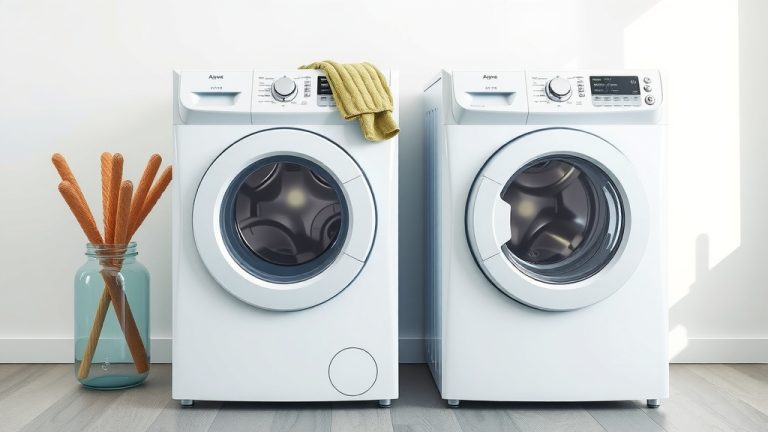
When considering your next washing machine, a front-load washer generally uses less water than a top-load model. This is because front-loaders use a tumbling action that requires less water to saturate clothes. You can expect a typical front-loader to use around 15-25 gallons of water per load, while older top-loaders might use up to 40 gallons.
Making the switch to a more water-efficient washer can be good for your wallet and the planet. Newer high-efficiency (HE) top-load washers have improved their water consumption, but they still often lag behind front-loaders. We’ve found that the washing method, not just the machine type, plays a big role in how much water your laundry routine uses.
- Front-load washers are typically the water sippers.
- They use less water because of their tumbling action.
- Older top-loaders can use significantly more water.
- Newer HE top-loaders are better, but often still use more than front-loaders.
- Choosing an efficient machine saves money and resources.
Let’s dive a little deeper into how each type of washer stacks up in terms of water use, so you can make the best choice for your home.
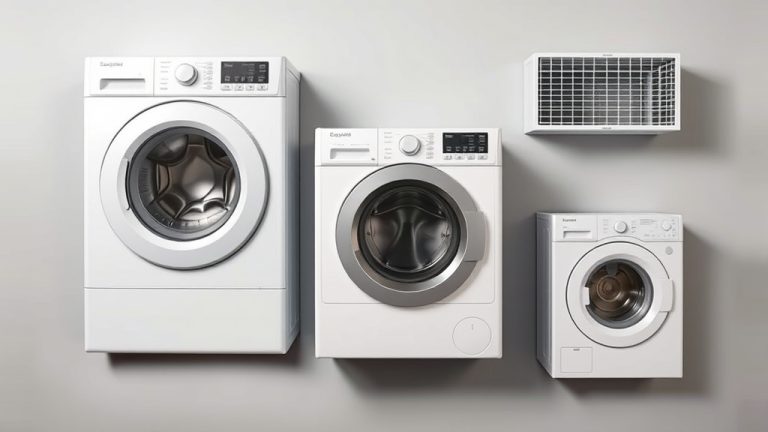
Comparing Washer Types for Water Use
When you’re trying to decide between a front-load and a top-load washing machine, water consumption is a big factor. You’ve probably heard that front-loaders are generally more water-efficient. We’ve found this to be true in most cases.
How Front-Load Washers Save Water
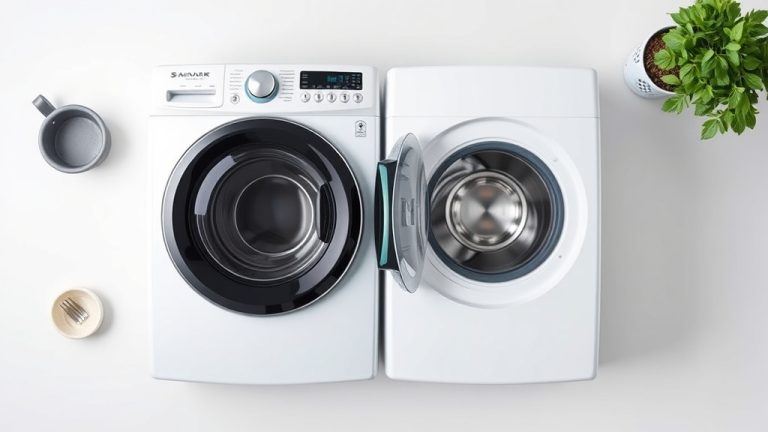
Front-load washers use a unique washing action. They tumble clothes through a small amount of water. Think of it like a dryer tumbling clothes, but with water added. This tumbling action allows clothes to get thoroughly saturated without needing a tub full of water. This is the main reason they use less water per cycle.
The Tumbling Mechanism
The drum in a front-loader spins horizontally. As it rotates, clothes are lifted and dropped back into the water. This constant motion helps dirt release from fabrics efficiently. Because the clothes are constantly moving through the water, they don’t need to be submerged in deep water.
Efficiency in Action
Many studies and consumer reports have shown that front-loaders typically use less than half the water of older, traditional top-load models. This can add up to significant savings on your water bill over time. Plus, it’s better for the environment!
Understanding Top-Load Washer Water Use
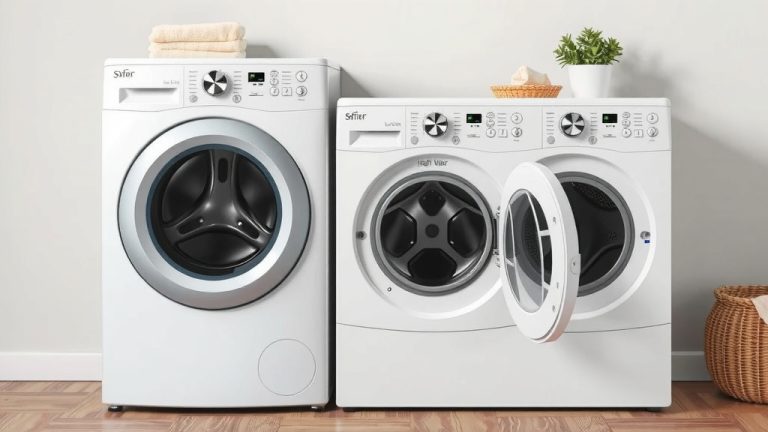
Top-load washers have a different design that generally requires more water. There are two main types of top-loaders: traditional and high-efficiency (HE). The older, traditional models are the biggest water users.
Traditional Top-Loaders: The Water Guzzlers
These machines use a central agitator or impeller. Clothes are moved through a large volume of water to get clean. The drum fills almost completely with water. This is why they can use a lot more water, sometimes up to 40 gallons per load or more (Consumer Reports).
High-Efficiency (HE) Top-Loaders: An Improvement
HE top-loaders have come a long way. They still have a vertical drum but use less water than their older counterparts. They often use impellers at the bottom to move clothes. Some HE models can mimic the tumbling action of front-loaders to some extent. However, they often still use more water than a front-loader because the drum may not spin as fast to extract water, or they may still require more water to adequately move the clothes.
Water Consumption: A Quick Comparison
We’ve gathered some typical water usage figures. Keep in mind these are estimates and can vary by model and specific cycle chosen.
| Washer Type | Typical Water Use Per Load |
|---|---|
| Front-Load Washer | 15-25 gallons |
| HE Top-Load Washer | 20-30 gallons |
| Traditional Top-Load Washer | 30-45+ gallons |
As you can see, the front-load is consistently the leader in water savings. Even HE top-loaders are more efficient than older models. Choosing a water-saving machine is a smart move for your budget and the planet.
Beyond the Machine Type: Other Factors
While the type of washer is a major factor, your own habits also play a role. Are you using the right settings? Do you run a lot of small loads?
Load Size Matters
Most modern washers have sensors. They can detect the size of your load. Then, they adjust the water level accordingly. However, manually selecting a smaller load size when you have one can still save water. Overloading a machine can also lead to clothes not getting clean properly.
Cycle Selection and Water Use
Different wash cycles use different amounts of water. A bulky item cycle or a heavily soiled cycle will likely use more water than a quick wash or an everyday cycle. Always choose the most appropriate cycle for your needs. For instance, using the “quick wash” cycle when your clothes aren’t very dirty is a great way to save both water and energy.
Energy Efficiency and Water Savings Go Hand-in-Hand
It’s not just about water; energy consumption is linked too. Washers that use less water often use less energy. This is because the machine has to heat less water for warm or hot washes. Energy Star certified washers are a good place to start your search. They meet strict energy efficiency guidelines set by the EPA.
Making Your Laundry Routine More Water-Wise
So, how can you ensure you’re using water efficiently, no matter what kind of washer you have? Here are a few simple tips:
- Choose a front-load washer if possible for maximum water savings.
- Opt for HE models if you prefer a top-loader.
- Wash full loads whenever you can.
- Use the cold water setting for most of your laundry.
- Select the appropriate cycle for the load.
- Check your washer’s manual for specific water-saving tips.
By understanding how different washers work and making smart choices about your laundry habits, you can significantly reduce your home’s water consumption.
Conclusion
You’ve learned that front-load washers are typically your best bet for saving water. Their tumbling action uses far less water than most top-loaders. Even newer HE top-loaders are an improvement, but they often still use more water. Your laundry habits also play a role, so remember to use cold water and full loads. Making informed choices about your washer type and how you use it can lead to real savings on your water bill and help protect our planet.
Frequently Asked Questions
Are front-load washers really that much more water-efficient than HE top-loaders?
Yes, research and found that front-load washers generally lead the pack in water efficiency. While HE top-loaders are a big step up from older models, they still tend to use slightly more water per load than most front-loaders. This difference adds up over time, especially if you do a lot of laundry.
Does the cycle I choose on my washer affect water usage?
Absolutely. Certain cycles, like those for bulky items or heavily soiled loads, are designed to use more water. Opting for a standard or quick wash cycle when appropriate can help conserve water. Always check your washer’s manual for cycle-specific water use information.
Will a front-load washer save me money on my water bill?
You can expect to see savings on your water bill by using a front-load washer. Because they use significantly less water per load, the reduction in your overall water consumption can translate into lower utility costs. The exact amount saved will depend on your local water rates and how much laundry you do.
Can I still save water if I have a traditional top-load washer?
Yes, even with a traditional top-load washer, you can still be more water-wise. Always aim to wash full loads to maximize efficiency. Using cold water settings for most of your laundry instead of hot water also reduces water consumption, as your machine won’t need to heat as much water.
Are Energy Star certified washers always the most water-efficient?
Energy Star certification indicates a washer meets strict energy efficiency guidelines, which often includes water efficiency. While an Energy Star certified washer is a great choice for saving resources, it’s still helpful to compare the specific water usage ratings between models, especially between front-load and HE top-load options.