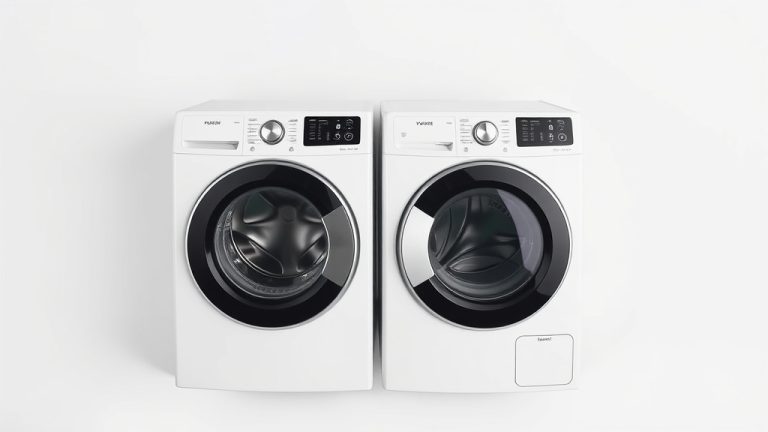
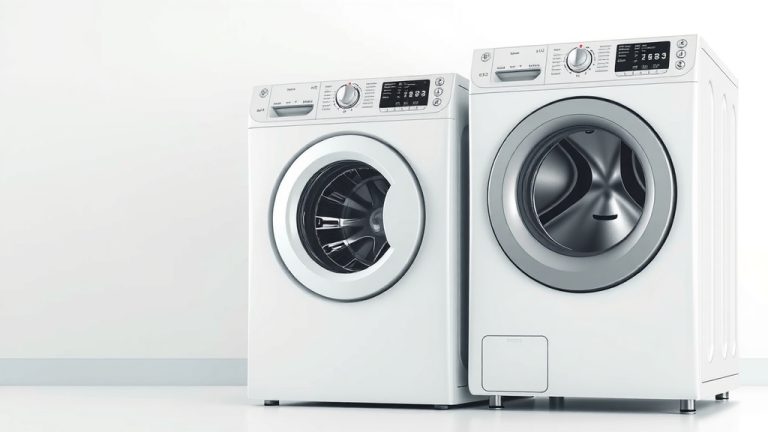
How to Put a Washer on a Pedestal: Step-by-Step Guide
The simplest way to put a washer on a pedestal is to tip the washer back slightly, slide the pedestal underneath, and then carefully lower the machine onto it. You’ll want a helper for this job, since washers are heavy and awkward to move. Make sure the pedestal is centered before you let the full weight down, so the machine sits evenly.
Adding a pedestal raises your washer to a more comfortable height, which means less bending over to load and unload clothes. Pedestals also often include a storage drawer, giving you a handy spot for detergent and dryer sheets. We found that taking a few safety precautions, like unplugging the machine and clearing the area, makes the whole process much smoother. Getting the alignment right is key to avoiding annoying vibrations during the spin cycle.
- Unplug the washer and disconnect the water hoses first for safety.
- Get a helper to lift and support the heavy appliance.
- Tilt the washer back and slide the pedestal into position.
- Center the pedestal under the machine’s feet before lowering it down.
- Adjust the washer’s leveling legs to keep everything stable and shake-free.
Below, we’ll walk you through each step in detail, including the tools you’ll need and a few mistakes to avoid. Let’s get your laundry setup feeling just right.
Getting Your Washer Pedestal Ready and Your Space Cleared
Before you touch the washer, take a few minutes to prepare the area. Research and found that most pedestal installation issues come from rushing this step. Clear the space around the machine completely. Move the laundry basket, the detergent bottles, and that stray sock you keep meaning to pick up.
You will need a few basic tools for this job. Grab a socket wrench or an adjustable wrench, a level, and a soft cloth or old towel to protect your floor. Have a flashlight handy so you can see the leveling legs and the pedestal brackets clearly. A tape measure helps you center things perfectly.
Unplugging the Washer and Shutting Off the Water
Safety comes first with any appliance work. Pull the power cord from the wall outlet. Do not skip this step. Many experts say that water and electricity mixing is a serious hazard. Turn off the hot and cold water valves behind the machine as well.
Unscrew the water hoses from the back of the washer. Keep a small bucket or a shallow pan underneath to catch any water that drips out. Water left in the hoses will spill everywhere if you are not careful. We found that putting the hoses in a Ziploc bag keeps the threads clean and prevents drips on your floor.
Moving the Washer Away From the Wall
You need working room behind the machine. Pull the washer away from the wall slowly. Wiggle it side to side if it feels stuck. Check that the drain hose is not pinched or tangled underneath. Once you have about two feet of clearance, you can stop pulling.
Positioning the Pedestal and Lifting the Washer Safely
Now it is time for the heavy lifting. A washing machine can weigh over 150 pounds. That is way too heavy for one person to manage safely. Get a friend or a family member to help you. Trying to do this alone can strain your back or cause the machine to fall and get damaged.
Place the pedestal right in front of the washer, close to where it will sit. Open the storage drawer and remove it if you can. This makes the pedestal much lighter and easier to slide into place. You can put the drawer back in after the washer is set on top.
Finding the Right Grip and Tipping the Machine
With your helper, stand on opposite sides of the washer. Bend at your knees, not your waist. Grip the underside of the washer’s top panel or the sides near the top. Keep your backs straight and your feet shoulder-width apart for balance.
Tip the washer back toward you and your helper, about 45 degrees. Have one person hold the machine steady while the other person slides the pedestal underneath. You want the pedestal to sit directly under the washer’s base, not sticking out at an angle.
Lower the washer down gently. Do not drop it. A sudden impact can crack the pedestal or damage the washer’s internal parts. Set it down slowly and let the machine rest fully on the pedestal.
Using a Lifting Strap for Extra Safety
A lifting strap, sometimes called a furniture dolly strap, can make this job even easier. You strap it around the washer and use it to tilt the machine with your legs. Many appliance repair guides recommend this tool for heavy machines. You can buy one at any hardware store for around 20 dollars.
Centering the Washer and Checking the Alignment
Alignment is the difference between a quiet laundry room and one that shakes the whole house. We found that a washer sitting off-center on its pedestal vibrates loudly during the spin cycle. It can even walk across the floor over time.
Look at the washer from the front and the side. The machine should sit squarely on the pedestal. There should be an equal gap on the left and the right. Check the back as well, making sure the washer is not hanging over the edge.
Adjusting the Washer’s Leveling Legs
Most washers have adjustable feet that screw in and out. Use your wrench to turn them. Loosen the lock nut first, then spin the leg to raise or lower that corner. Your goal is to have all four feet firmly planted on the pedestal surface.
Place a level on top of the washer, both front to back and side to side. If the bubble is not in the center, adjust the legs again. We found that a small adjustment of a half-turn often makes a big difference. Once level, tighten the lock nuts back up securely.
Testing for Stability Before You Load Laundry
Give the washer a gentle push from the side. It should not rock or wobble. If it rocks, one of the leveling legs is not touching the pedestal. Re-adjust that leg until it feels solid. A stable base prevents excess noise and protects the machine’s suspension system.
Reconnecting Everything and Finishing Up
With the washer sitting nicely on its pedestal, it is time to hook everything back up. Slide the washer back toward the wall. Be careful not to scrape the pedestal on the floor. Push the machine into place, leaving a few inches of clearance behind it for the hoses.
Reconnect the hot and cold water hoses. Tighten them with your wrench, but do not over-tighten them. Hand-tightening plus a quarter turn with the wrench is usually enough. Turn the water valves back on and check for leaks at the connections.
Running a Test Cycle to Verify Everything Works
Plug the washer back into the wall outlet. Run a short, empty cycle to test your work. Use the spin-only or rinse-and-spin setting if you have one. This lets you see if the machine vibrates or walks on the pedestal.
Listen for any unusual rattling or thumping. A little noise is normal, but a loud bang means something is off. If you hear banging, check the leveling legs again. Many guidelines point to re-leveling as the first fix for a shaking washer (Consumer Reports).
Reinstalling the Storage Drawer
Slide the drawer back into the pedestal. Make sure it opens and closes smoothly. The drawer should not hit the washer above it. If it sticks, pull it out and check for any obstructions. That drawer is perfect for storing detergent, dryer sheets, and stain removers.
Common Pedestal Mistakes You Should Steer Clear Of
Even careful folks make mistakes with this job. Here are the biggest ones we see, so you can avoid them.
- Lifting with your back instead of your legs, which causes injuries.
- Skipping the water shut-off, leading to a wet mess and potential damage.
- Forgetting to center the pedestal, which creates loud vibrations.
- Over-tightening the water hoses, which can strip the threads and cause leaks.
- Leaving the leveling legs uneven, making the machine rock and bang.
- Forgetting to check for leaks before leaving the machine to run unattended.
Helpful Tools and Accessories for a Smoother Install
Having the right gear on hand makes a world of difference. You probably already own most of these, but it is good to double-check before you start.
| Tool or Accessory | Why You Need It |
|---|---|
| Socket wrench set | Loosens and tightens the leveling legs and lock nuts. |
| Bubble level | Ensures the washer is perfectly flat on the pedestal. |
| Lifting strap | Helps you tilt the heavy washer without straining your back. |
| Bucket or shallow pan | Catches residual water when disconnecting the hoses. |
| Flashlight | Lets you see the legs and brackets under the machine. |
| Furniture sliders | Makes moving the washer across the floor much easier. |
Quick Checklist for Installing a Washer Pedestal
Print this list or save it on your phone. It keeps you on track so you do not miss a step.
- Unplug the washer and shut off the water supply.
- Disconnect the hoses and drain any leftover water.
- Pull the washer out from the wall for working space.
- With a helper, tilt the washer back and slide the pedestal underneath.
- Center the pedestal and lower the washer down gently.
- Level the washer using the adjustable legs and a bubble level.
- Reconnect the hoses, plug in the washer, and run a test cycle.
Conclusion
Putting your washer on a pedestal is a straightforward weekend project that pays off every single laundry day. You’ll save your back, gain extra storage, and enjoy a sturdier machine once everything is level and aligned. We covered the key moves: prepping your space, tilting the washer safely with a helper, centering the pedestal, and fine-tuning the leveling legs.
Now it’s time to put this into action. Grab your tools, clear the area, and recruit a friend for the lift. Take it slow, double-check your alignment, and run a test cycle before loading a full basket. You’ll have that washer sitting pretty in under an hour.
Frequently Asked Questions
Can I install a washer pedestal by myself?
You can try, but we strongly recommend getting a helper. Washers typically weigh over 150 pounds, and tipping one safely is tough alone. A second person reduces the risk of back injury and prevents the machine from crashing to the floor.
Do all washers fit on pedestals?
Not every washer works with every pedestal. You need to check your washer’s brand and model number first. Most manufacturers sell matching pedestals for their machines. Universal options exist, but they require careful measurement to ensure the feet line up with the pedestal base.
Will a pedestal make my washer vibrate more?
Only if you skip the leveling step. A properly centered and leveled washer on a pedestal should run just as smoothly as it did on the floor. Vibrations usually come from uneven legs or an off-center pedestal, so check those before you panic.
How much weight can a washer pedestal hold?
Most quality pedestals are built to support 200 to 300 pounds. That covers the weight of a standard washer plus a full load of wet clothes. Always verify the weight limit on your specific pedestal model before installation to be safe.
Can I use a pedestal with a front-load washer and a dryer?
Absolutely. Pedestals are most common for front-load machines since they sit lower to the ground. Many brands offer matching pedestals for both washers and dryers. Just make sure you buy the correct version for each appliance, since the mounting points can differ.