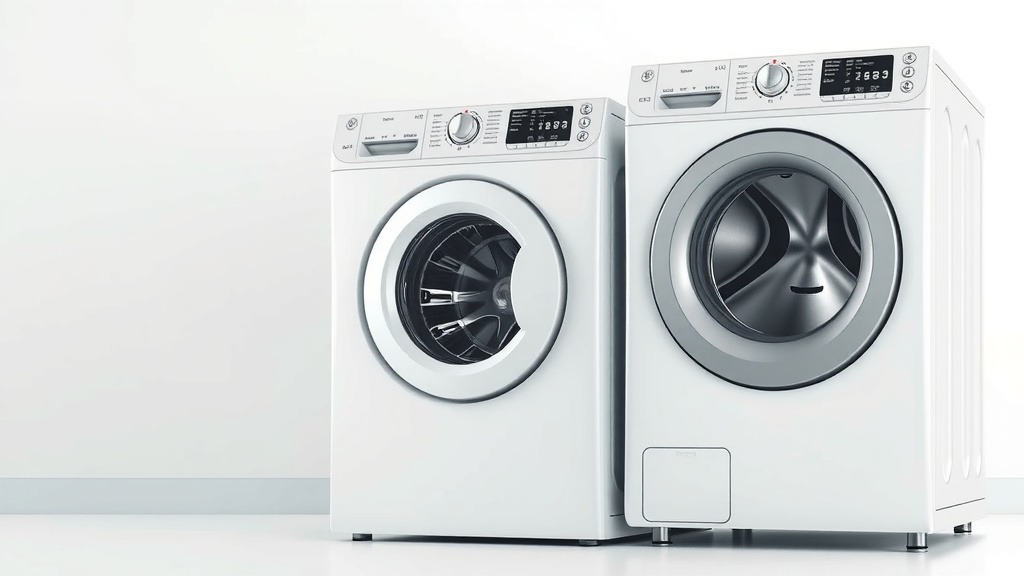
Washing Machine Buying Guide: Top Tips for Your New Appliance
Buying a new washing machine can feel like a laundry day chore itself. To get the best washing machine for your needs and budget, you’ll want to consider To get the best washing machine for your needs and budget, our guide on washing machine cost can help you understand pricing.capacity, type (top-load vs. front-load), and your available space. Don’t forget to factor in energy efficiency ratings too!
We found that understanding these core elements helps narrow down your options quickly. It prevents you from getting overwhelmed by all the features. Making an informed choice ensures your new machine handles your laundry loads effectively for years to come.
- Think about how much laundry you do.
- Decide if a top-load or front-load is better.
- Measure your space carefully before shopping.
- Look for energy efficiency to save money.
- Read reviews to see what others think.
Ready to find the perfect machine for your home? Let’s walk through the key tips to make your washing machine purchase a breeze.
Navigating Your Washing Machine Purchase: A Smart Buyer’s Guide
Finding the right washing machine means balancing your needs with what’s available. We found that focusing on a few key areas makes the process much smoother. This guide will help you choose a machine that fits your life perfectly.
Understanding Your Laundry Habits: Capacity Matters
Before you even look at models, think about how much laundry you generate. Are you a family of five with mountains of clothes each week? Or perhaps a single person who does a load or two? We found that capacity is your first major decision point.
How Much Can It Hold?
Washing machine capacity is measured in cubic feet. It tells you the drum size. A larger capacity means you can wash bigger loads. This can save you time and energy. For a typical household, 3.5 to 5.0 cubic feet is often sufficient. Larger families might need 5.0 cubic feet or more.
Don’t Overbuy (or Underbuy!)
Buying a machine that’s too small means more frequent washes. This eats up your time. A machine that’s too large might not fill properly on smaller loads. This can lead to wasted water and energy. We found that many consumers regret buying a machine that’s too small for their actual needs.
Top-Loaders vs. Front-Loaders: The Great Debate
This is one of the biggest choices you’ll make. Both types have pros and cons. We researched what consumers find most important when deciding between them. Your personal preference and laundry room setup will likely guide this choice.
Top-Load Washers: The Familiar Choice
These are the machines you likely grew up with. You load clothes from the top. They often have an agitator in the middle. This post helps clothes move around.
Pros of Top-Loaders
They are generally less expensive Top-load washers are generally less expensive upfront, and our guide on new washing machine cost can help you compare prices. upfront. You can often add forgotten items mid-cycle. Many people find them easier to load and unload, especially if bending is a challenge.
Cons of Top-Loaders
They tend to use more water than front-loaders. Clothes can sometimes get tangled around the agitator. Many experts note they may not clean as thoroughly as front-loaders.
Front-Load Washers: The Modern Marvel
These machines load from the front. They use a tumbling action to wash clothes. Many consumers are switching to this style. We found they are often more efficient.
Pros of Front-Loaders
They use less water and energy. This can save you money on utility bills. They typically offer a deeper clean. Clothes are less likely to get damaged. They also spin faster, meaning clothes come out drier.
Cons of Front-Loaders
They usually have a higher purchase price. You can’t add items mid-cycle easily. Some users report a musty odor if the door seal isn’t kept clean and dry. Bending to load and unload can be difficult for some.
Space and Installation: Measure Twice, Buy Once
This step is critical and often overlooked. A beautiful, feature-rich washing machine is useless if it doesn’t fit. We found that many returns happen because of size issues.
Measure Your Alcove or Laundry Room
You need to know the height, width, and depth available. Don’t forget to account for the door swing of front-loaders. Also, consider space for hoses and electrical connections at the back. A little extra room makes installation much easier.
Door Clearance is Key
If your machine is in a tight spot, make sure you can open the door fully. This is especially important for front-loaders. You need space to load and unload laundry comfortably.
Energy Efficiency: Saving Money and the Planet
Look for the ENERGY STAR label. These appliances meet strict energy efficiency guidelines. We found that ENERGY STAR certified washers use about 50% less water and energy than regular models. This adds up over time.
Understand the Yellow EnergyGuide Label
This label, required by the FTC, shows estimated yearly energy cost. It helps you compare models directly. It also provides an estimated annual water usage.
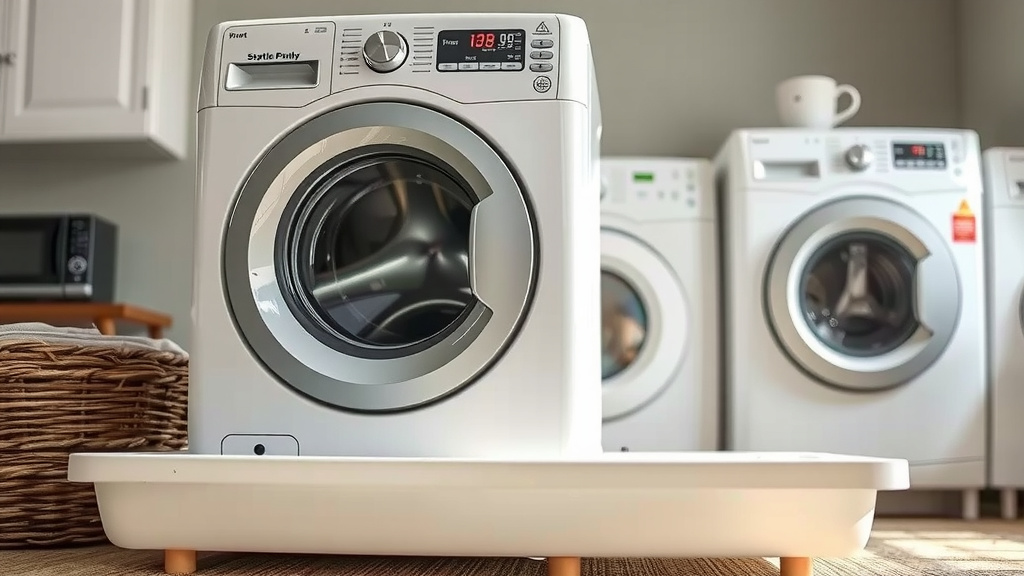
Essential Features to Consider
Modern washing machines come with a dizzying array of features. Some are truly useful, while others might be overkill. We found that focusing on a few key functions can simplify your decision.
Wash Cycles and Options
Consider the types of fabrics you wash most often. Do you need delicate cycles for sweaters? Heavy-duty cycles for work clothes? Options like steam, sanitization, or allergen removal can be beneficial for specific needs. Many experts suggest looking for cycles that match your common laundry needs.
Smart Features
Some washers connect to your Wi-Fi. You can control them via a smartphone app. This allows you to start, stop, or monitor cycles remotely. It can even send alerts when a load is done. We found this appeals to tech-savvy users but isn’t essential for everyone.
Where to Find Reliable Information: Reviews and Ratings
Don’t just rely on manufacturer claims. We found that reading reviews from other consumers is extremely helpful. Look for patterns in feedback. Are people consistently happy or unhappy with a particular model’s performance?
Check Reputable Review Sites
Websites that specialize in appliance reviews can offer unbiased opinions. Look for professional reviews that test machines thoroughly. Also, check customer reviews on retail sites. They offer real-world insights.
Consider the Warranty
A good warranty can provide peace of mind. Most washing machines come with a one-year parts and labor warranty. Some manufacturers offer longer warranties on specific parts, like the motor or tub. We found that a longer warranty is often a sign of a manufacturer’s confidence in their product.
Making Your Final Choice: A Quick Checklist
Ready to narrow it down? Here’s a handy checklist to guide you:
- Confirm your available space and doorway dimensions.
- Estimate your average weekly laundry load size.
- Decide between top-load and front-load based on your priorities.
- Look for ENERGY STAR certification to save money.
- Prioritize features you’ll actually use regularly.
- Read recent customer reviews for insights.
Conclusion
You’ve now learned how to buy a washing machine like a pro. We’ve covered how capacity, type, and space are your first steps. Remember to check ENERGY STAR ratings to save money. Reading reviews will give you real-world performance data. By focusing on these key areas, you can confidently choose a machine that fits your laundry needs and budget perfectly. Your next step is to measure your laundry space and start comparing models with your checklist in hand!
Frequently Asked Questions
What’s the biggest mistake people make when buying a washing machine?
We found that many consumers buy a machine that’s too small for their actual laundry needs. This leads to extra loads and wasted time. Others overlook measuring their space, leading to a washer that won’t fit.
Are top-load washers really that much less efficient than front-loaders?
Yes, generally speaking, top-load washers tend to use more water. They can also be less gentle on clothes due to the agitator. Front-loaders are typically more water and energy efficient, as we researched.
How do I know if a washing machine will fit through my doorway?
You need to measure the height, width, and depth of your doorway, as well as any hallways or staircases it needs to pass through. Many machines also have removable hoses that add a little extra clearance.
Is it worth paying extra for “smart” washing machine features?
That really depends on your lifestyle. Smart features let you control your washer from your phone. If you love tech and convenience, it might be worth it. If not, you can likely save money by skipping them.
Where is the best place to find honest washing machine reviews?
We recommend checking reputable appliance review websites that conduct thorough testing. Also, look at customer reviews on major retail sites. Reading patterns in feedback from many users is very helpful.