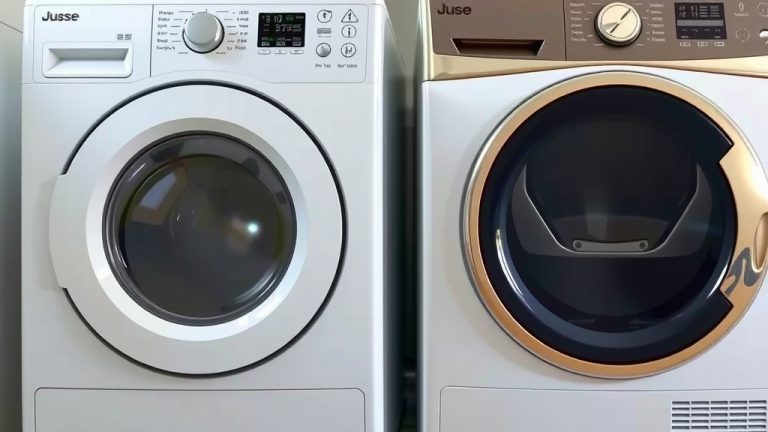
All-in-One Washer Dryer vs Traditional: Which Is Best
When comparing an all-in-one washer dryer to traditional separate units, the key difference is space-saving convenience versus larger capacity and faster drying. An all-in-one unit handles both washing and drying in a single machine, which is ideal for smaller homes. Separate units generally offer more robust performance and quicker cycles.
Many homeowners wonder if the all-in-one is a good trade-off for their laundry routine. While it dramatically cuts down on laundry space and can handle a full wash-to-dry cycle unattended, it’s important to weigh this against the potential for longer drying times and smaller load sizes compared to separate, high-capacity machines.
- All-in-ones save space and offer unattended operation.
- Separate units typically have larger capacities and faster drying.
- Consider your laundry volume and available space.
- All-in-ones might require multiple cycles for large loads.
- Separate machines offer more flexibility in wash and dry settings.
We’ve researched the pros and cons of each setup to help you decide which laundry solution is best for your home. Let’s break down what you need to know about all-in-one washer dryers versus traditional separate machines.
Considering Combined Washer Dryers Versus Separate Laundry Machines
So, you’re thinking about your laundry setup and wondering if an all-in-one washer dryer is the right choice for you. It’s a big decision that can really change how you do laundry. We’ve looked into what makes each option tick, so you can make an informed choice. Think of it like choosing between a Swiss Army knife and a full toolbox. Each has its strengths! Our guide on how much is washing machine can help you understand the costs involved.
The Space-Saving Champion: All-in-One Washer Dryers
The biggest draw for an all-in-one unit is its impressive space efficiency. If you live in a smaller apartment, a condo, or a home where laundry space is at a premium, this could be your hero. These machines combine the functions of a washer and a dryer into a single appliance. This means you only need the hookups for one machine. It’s a fantastic way to maximize your living area. You get a clean pile of clothes without needing a dedicated laundry room or even much floor space.
How an All-in-One Works Its Magic
An all-in-one machine works by washing your clothes first, just like a standard washing machine. Once the wash cycle is complete, the machine then automatically transitions to the drying cycle. There’s no need to move wet clothes from one drum to another. It’s a truly automated process from start to finish. This unattended operation is a huge convenience for busy households.
What We Found About Capacity and Cycle Times
We found that all-in-one units typically have a smaller drum capacity compared to their separate counterparts. This is because the same drum has to accommodate both washing and drying. For individuals or couples, this might be perfectly fine. However, for larger families or those who do a lot of laundry, you might find yourself doing more frequent, smaller loads. This can extend the overall time spent on laundry, even though each load is “unattended” once started.
Cycle times are also something to consider. Because the machine needs to heat up and vent moisture internally, the drying portion of an all-in-one cycle can take longer than a dedicated dryer. We found that a full wash and dry cycle might take anywhere from 4 to 8 hours, depending on the load size and fabric type. This is a significant difference from traditional machines. So, while it’s convenient, it might not be the fastest option for getting your clothes dry.
The Powerhouses: Traditional Separate Washer and Dryer Units
When you think of a traditional laundry setup, you probably picture two separate machines: a washer and a dryer. These units are designed for one job each, and they often do it exceptionally well. The main advantages here are larger capacities and faster, more efficient drying. If you have the space and the need for robust laundry performance, separate machines are a strong contender.
Capacity: More Room for Your Laundry Needs
Separate washers and dryers generally boast much larger drum capacities. This means you can wash and dry bigger loads of laundry at once. For families with children or anyone who prefers to do laundry in fewer, larger batches, this is a significant benefit. You can easily fit bulky items like comforters or large blankets into these machines. This capability is often a deal-breaker for those with high laundry demands.
Speed and Performance: Getting Laundry Done Faster
With separate units, you get dedicated power for washing and dedicated power for drying. This often translates to shorter cycle times for both. Wash cycles can be quicker, and the drying cycles are typically much faster than what you’d experience with an all-in-one. Many modern dryers offer various heat settings and sensor drying technology that prevents over-drying and saves energy. We found that this combination of speed and efficiency makes tackling laundry piles much more manageable for busy households.
Flexibility and Settings: Tailoring Your Laundry Experience
Separate machines usually offer a wider range of wash and dry settings and options. You can often select specific water temperatures, spin speeds, and wash cycles for different fabric types. Similarly, dryers come with various heat levels, timed dry options, and even steam functions. This greater control allows you to care for your clothes more precisely, ensuring they get the best treatment. You can also run a wash cycle on one machine while simultaneously running a dry cycle on another, which greatly speeds up the overall laundry process.
Comparing Key Features: A Quick Look
To help you visualize the differences, let’s put some key aspects side-by-side. This isn’t about declaring a winner, but about showing you where each type shines.
| Feature | All-in-One Washer Dryer | Separate Washer & Dryer |
|---|---|---|
| Space Required | Minimal; single unit footprint | Larger; requires space for two appliances |
| Capacity | Generally smaller | Generally larger |
| Cycle Time (Wash & Dry) | Longer; often 4-8 hours for a full cycle | Shorter; can run simultaneously |
| Convenience | High; unattended operation | Moderate; requires moving clothes |
| Flexibility | Limited settings | Extensive settings and options |
| Cost (Initial) | Can be higher for comparable quality | Can be lower for basic models; varies greatly |
| Installation | Simpler; fewer connections | More complex; requires water, drain, and power for both |
What’s Your Laundry Personality? A Checklist
To figure out which setup is best for your life, ask yourself these questions. Be honest – your laundry basket will thank you!
- Do you have limited floor space for appliances?
- Do you often wash large or bulky items?
- How much laundry do you typically do in a week?
- Is speed a top priority for getting clothes dry?
- Are you looking for the most hands-off laundry experience possible?
- What’s your budget for new laundry appliances?
By answering these, you’ll get a clearer picture of whether the convenience of an all-in-one outweighs the capacity and speed of traditional separate units. It’s all about finding the right fit for your home and your routine.
Conclusion
Deciding between an all-in-one washer dryer and traditional separate units boils down to your specific needs and living situation. If space is your top concern and you’re looking for a hands-off laundry solution, an all-in-one offers fantastic convenience. However, if you often tackle large loads or prioritize faster drying times and more wash options, separate machines are likely your better bet. Consider your laundry volume, available space, and how much time you want to dedicate to laundry tasks. Take a moment to honestly assess your laundry habits and space constraints before making your choice.
Frequently Asked Questions
How much longer does an all-in-one dryer cycle typically take?
We found that a full wash and dry cycle on an all-in-one unit can range from 4 to 8 hours. This is considerably longer than using separate machines, where you can wash one load while drying another. The internal heating and venting process in a combined unit contributes to the extended drying time.
Can an all-in-one handle bulky items like blankets?
Generally, all-in-one units have a smaller drum capacity. While they can wash blankets, drying them thoroughly might be challenging and could require multiple cycles. Separate, larger-capacity dryers are much better suited for bulky items like comforters and heavy blankets.
Are all-in-one washer dryers more expensive upfront?
The initial cost can vary, but comparable quality all-in-one units sometimes come with a higher price tag than basic separate models. You’re paying for the integrated technology and space-saving design. However, consider the long-term cost savings if you have very limited space and can’t fit separate units.
What if I want to wash and dry clothes at the same time?
With an all-in-one, you cannot perform these actions simultaneously. The machine completes the wash cycle before starting the dry cycle. Separate units allow you to run the washer and dryer concurrently, significantly speeding up the overall time it takes to process multiple loads of laundry.
Are all-in-one units difficult to install?
Installation for an all-in-one unit is typically simpler because it requires fewer connections – usually just water inlet, drain, and power. Separate machines require hookups for both a washer and a dryer, which might involve more complex plumbing and electrical considerations, especially if you need a dedicated dryer vent.