HE Top Load vs HE Front Load Washers: Which is Best
When choosing between a top load washer vs. a front load washer, the biggest difference often comes down to efficiency and cost. While top loaders are typically cheaper upfront and easier on your back, front loaders generally use less water and energy, leading to lower utility bills over time. Both have their pros and cons, making the “best” choice really depend on your priorities and budget.
We’ve researched and found that while top load washers are familiar and straightforward, front load models are often lauded for their superior cleaning power and gentler treatment of clothes. Think about how much you value long-term savings versus an initial lower purchase price. Your laundry habits and space will also play a role in this decision.
TL;DR:
- Top loaders: Cheaper initial cost, easier to load.
- Front loaders: More energy/water efficient, better cleaning.
- Consider long-term savings vs. upfront price.
- Your laundry habits matter for the best choice.
Let’s break down the key differences and help you decide which type of washing machine is the right fit for your home.
You’ve seen them side-by-side in appliance stores, maybe even pondered them while scrolling online. Deciding between a top-load and a front-load washing machine can feel like a big choice. Both get your clothes clean, but they do it in very different ways. Let’s get into the nuts and bolts of what makes each one tick, so you can pick the one that truly fits your life.
Understanding Your Washing Machine Options
The core difference really boils down to how they agitate your clothes. Top-loaders use an agitator or an impeller. Front-loaders tumble clothes through water. We found this fundamental difference impacts everything from water usage to how gentle they are on your fabrics.
How Top-Load Washers Work
These are the machines many of us grew up with. You open the lid from the top. They typically have a central post, the agitator, that twists and turns. This post pushes clothes around in the water. Some newer models use a low-profile impeller at the bottom instead. This disc spins and circulates clothes. Learn more about the best-rated top-load agitator models for budget-friendly choices.
We found that the agitator model can be tougher on clothes. It’s like a vigorous workout for your laundry. The impeller models are a bit gentler. They often offer larger capacities than older agitator types. Load sensing technology helps them use just the right amount of water.
Pros of Top-Loaders
- Convenience: No bending over to load or unload. Just toss them in!
- Cost: Generally, they have a lower purchase price. This can be a big win for your budget.
- Speed: Many cycles tend to be faster than front-loaders.
- Add-a-Garment: You can usually toss in that forgotten sock mid-cycle.
Cons of Top-Loaders
- Water Usage: They often use more water, especially older agitator models. This can increase utility bills.
- Energy Efficiency: Typically less energy efficient than front-loaders.
- Cleaning Power: Some research suggests they may not clean as thoroughly as front-loaders.
- Fabric Wear: The agitator can cause more wear and tear on your clothes over time.
How Front-Load Washers Work
Front-loaders have a door on the front. You load clothes into a drum that spins horizontally. They don’t use an agitator. Instead, clothes are lifted by baffles inside the drum and then dropped back into the water. This tumbling action is key to their cleaning. Many experts say this method is gentler on fabrics.
We found that these machines are known for their efficiency. They use much less water and energy. This can lead to significant savings on your utility bills over the machine’s lifespan. They also tend to spin faster, extracting more water.
Pros of Front-Loaders
- Efficiency: They use significantly less water and energy. This is great for the environment and your wallet.
- Cleaning Performance: Many studies show they offer superior cleaning. The tumbling action is very effective.
- Gentle on Clothes: Less wear and tear on your garments due to the lack of an agitator.
- Higher Spin Speeds: Clothes come out drier, reducing drying time and energy use.
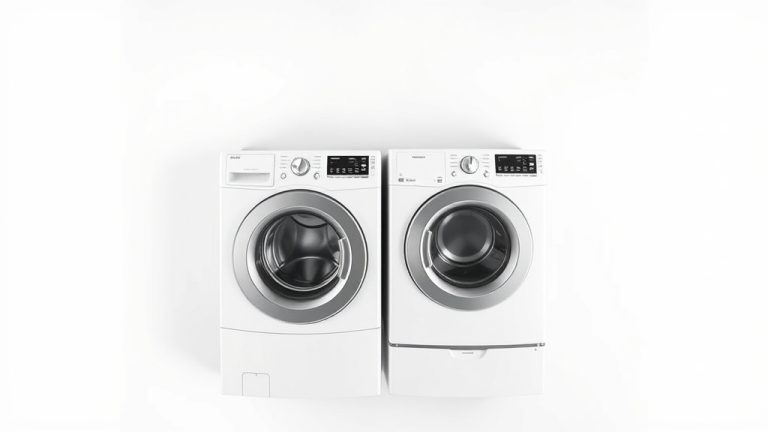
- Stackable: Many models can be stacked with a dryer, saving floor space.
Cons of Front-Loaders
- Cost: They usually have a higher upfront purchase price.
- Bending: You need to bend down to load and unload. Pedestals can help with this.
- Cycle Time: Cycles can sometimes be longer than top-loaders.
- Mold/Mildew Risk: If the door seal isn’t wiped down and the door left ajar, odors can develop.
Comparing Key Features: Which is Right for You?
Let’s put these two types head-to-head on the factors that matter most to your laundry routine. We’ve looked at various reviews and consumer reports to bring you this comparison.
Water and Energy Consumption
This is where front-loaders really shine. According to the U.S. Department of Energy, front-load washers use about 40% less water and 50% less energy than top-load washers. This difference can add up to significant savings over the years. If reducing your utility bills is a top priority, a front-loader is likely your best bet.
Cleaning Power and Fabric Care
When it comes to getting tough stains out, many users and tests favor front-loaders. The tumbling action can effectively work detergent into fabrics. However, the agitator in traditional top-loaders can be harsh. We found that while top-loaders with impellers are better, front-loaders still often have an edge in deep cleaning. On the flip side, front-loaders are generally gentler on your clothes, helping them last longer.
Cost: Upfront vs. Long-Term
No doubt, top-loaders usually win on initial cost. You can find a basic top-load washer for several hundred dollars less than a comparable front-load model. However, consider the long run. The water and energy savings from a front-loader can offset its higher price over time. It’s a classic “pay a little more now, save a lot later” scenario.
Capacity and Space Considerations
Many modern top-loaders, especially impeller models, offer very large capacities. They can handle bulky items like comforters with ease. Front-loaders also come in large capacities. A big advantage for front-loaders in smaller homes is their stackability. You can place a matching dryer on top, freeing up valuable floor space.
User Experience and Ergonomics
For some, the ease of simply dropping clothes into a top-loader is a huge plus. There’s no bending required, which is great for your back. Adding forgotten items mid-wash is also super easy. Front-loaders require bending, which can be a drawback for those with mobility issues. However, optional pedestals can raise the front-loader to a more comfortable height. Also, remember to wipe the door seal and leave the door ajar on front-loaders to prevent mildew.
Here’s a quick comparison table to help you visualize the differences:
| Feature | Top-Load Washer | Front-Load Washer |
|---|---|---|
| Upfront Cost | Lower | Higher |
| Water Usage | Higher | Lower |
| Energy Usage | Higher | Lower |
| Cleaning Performance | Good (Impeller better than Agitator) | Excellent |
| Fabric Care | Moderate (Agitator can be harsh) | Gentle |
| Ergonomics | Easier loading (no bending) | Requires bending (unless on pedestal) |
| Space Saving | Standard | Stackable |
Making Your Final Choice: A Quick Checklist
To help you narrow it down, ask yourself these questions:
- What’s my budget for the initial purchase?
- How important are long-term savings on utilities?
- Do I have back or knee issues that make bending difficult?
- How much laundry do I typically do?
- Is space a major concern in my laundry area?
- Do I wash a lot of delicate items or bulky bedding?
By thinking through these points, you’ll be well on your way to selecting the washing machine that makes laundry day a little bit easier and a lot more efficient for your household.
Conclusion
Deciding between a top-load and front-load washer comes down to your personal priorities. If your main concern is a lower upfront cost and easy loading, a top-loader, especially an impeller model, might be your best bet. For those focused on long-term savings, superior cleaning, and gentler fabric care, a front-loader is often the more efficient choice. Consider your budget, laundry volume, and any physical needs you have. Once you’ve weighed these factors, you’ll be ready to choose the machine that truly fits your home and makes laundry day smoother.
Frequently Asked Questions
Are top-load washers really less effective at cleaning than front-loaders?
Research and user experiences often suggest front-loaders offer superior cleaning. Their tumbling action is very effective at working detergent into fabrics. While impeller top-loaders are better than older agitator models, they may still not reach the same level of deep cleaning.
How much can I realistically save on utilities with a front-load washer?
You can see substantial savings over time. Front-loaders use significantly less water and energy, often by 40-50%. These savings add up, helping to offset the higher initial purchase price of the machine.
Is the bending required for front-loaders a deal-breaker?
For some, the bending can be an issue, especially for those with back or knee problems. However, you can purchase special pedestals to raise the front-loader. This makes loading and unloading much easier and more comfortable.
Can front-load washers develop mold or a bad smell?
Yes, if not properly maintained. The rubber seal around the door can trap moisture and mildew. It’s important to wipe the seal dry after use and leave the door slightly ajar to allow for air circulation.
Which type of washer is better for very large loads, like comforters?
Both types offer large capacities in many models. Top-loaders, particularly impeller types, can accommodate bulky items easily. Many front-loaders also boast large drums that can handle king-size comforters without issue.