How Long Should I Keep Air Purifier On? A Complete Guide to Optimal Usage
So, you’ve invested in an air purifier, and now you’re likely pondering the big question: how long should you actually keep it running daily? This isn’t a simple ‘set it and forget it’ scenario; the ideal run time varies significantly, and understanding why is key. Think of it like watering a plant – you need to do it consistently, but overdoing it or underdoing it isn’t beneficial. Join me as we explore the best practices for optimizing usage.
Understanding Your Air Purifier’s Purpose and Function
Before we dive into timing, let’s understand what your air purifier actually does. An air purifier is essentially a cleaning machine for the air in your home. It pulls in polluted air, runs it through filters that trap particles, and releases clean air back into your room. The longer you run it, the more air it processes, and the cleaner your indoor environment becomes. But does that mean you need to run it constantly? Not necessarily.
Your air quality fluctuates throughout the day. Morning commute pollution, cooking activities, pet dander, and dust accumulation all affect how much your air purifier needs to work. Understanding this natural rhythm helps you determine the best schedule for your specific situation.
Factors That Determine How Long to Run Your Air Purifier
Air Quality Index in Your Area
The outdoor air quality where you live plays a massive role in deciding how long to run your purifier. If you live in a city with heavy pollution or during wildfire season, you’ll probably want to run it longer than someone in a rural area with naturally clean air. Check your local Air Quality Index (AQI) regularly—this number tells you exactly how polluted the air is around you.
Indoor Pollution Sources
What’s happening inside your home matters just as much as what’s outside. Do you have pets that shed constantly? Are you a cook who uses your stovetop regularly? Do family members smoke indoors? Do you have carpets that trap dust? Each of these factors adds to your indoor air pollution load, meaning your purifier might need to work longer to keep up with the demand.
Room Size and Purifier Capacity
Here’s where your air purifier’s specifications come into play. Every air purifier has a Clean Air Delivery Rate (CADR) rating and is designed for rooms of certain sizes. If your purifier is rated for a 200 square foot room but you’re trying to clean a 500 square foot space, it needs to run much longer to be effective. It’s like using a garden hose to fill a swimming pool—technically possible, but it takes forever.
Filter Condition
A clogged filter works harder and slower than a clean one. If you haven’t replaced your filters in months, your purifier is losing efficiency. This means you might need to run it longer to achieve the same results compared to when you had fresh filters installed.
Your Health Needs
Some people have allergies, asthma, or respiratory conditions that make air quality critically important. If you or someone in your household falls into this category, longer runtime becomes essential rather than optional. Your health situation should heavily influence your decision about purifier duration.
Recommended Daily Runtime for Most Households
For the average household with no major health concerns and moderate pollution levels, running your air purifier for 8 to 12 hours per day tends to be the sweet spot. This is typically enough time to cycle through most of the air in your room multiple times and maintain good indoor air quality throughout the day.
Many people find it convenient to run their purifier during the times when pollution or indoor activities peak. For example, you might run it while cooking, during peak traffic hours outside your window, or while cleaning your home. Then you can turn it off during quieter periods when you’re away or when outdoor air quality naturally improves.
24/7 Operation: Is It Ever Necessary?
When Continuous Running Makes Sense
There are genuine situations where running your air purifier constantly becomes the right choice. If you live on a busy highway where traffic never stops, if you’re in an area with persistent wildfires, or if you have severe allergies that cause problems even when you sleep, then 24/7 operation might be what you need.
Additionally, if someone in your home has a compromised immune system or severe respiratory disease, keeping your purifier running around the clock helps maintain the cleanest possible environment at all times.
The Drawbacks of Continuous Operation
Running your air purifier 24/7 does have some downsides worth considering:
- Your electricity bill will increase noticeably over the course of a month
- Your filters will need replacement much more frequently, adding to maintenance costs
- Some purifier models make noise that could disrupt your sleep if run overnight
- The motor experiences more wear and tear, potentially shortening the device’s lifespan
Creating Your Ideal Air Purifier Schedule
The Morning Boost Strategy
Many air purifier users find success with a morning boost strategy. You run your purifier at high speed for 1 to 2 hours right after waking up to clear out any air stagnation that occurred overnight. This gives you fresh, clean air to start your day. Then you can switch to a lower speed or turn it off until evening.
The Evening Long-Run Approach
Others prefer to run their purifier for extended periods in the evening and overnight. This approach works well because evening is when many household activities like cooking happen, and nighttime air quality often improves, so the purifier has an easier job maintaining cleanliness while you sleep.
The Smart Variable System
The most sophisticated approach involves adjusting your purifier’s runtime based on real-time conditions. On days with high outdoor pollution, you run it longer. On clean air days, you cut back. If you’ve had guests or cooked a heavy meal, you boost the runtime. This flexible approach maximizes efficiency while minimizing unnecessary operation.
Energy Efficiency and Cost Considerations
Let’s talk money, because that matters for most of us. Running an air purifier costs you somewhere between $10 to $50 per month depending on the model and how often you run it. That might sound reasonable, but over a year, it adds up to $120 to $600 just in electricity.
Here’s a practical tip: run your purifier during peak pollution hours and when you’re home to enjoy the benefits. There’s no reason to run it when you’re away at work for eight hours—you’re not breathing that air anyway, and it’s wasteful spending.
Look for models with eco-mode or smart sensors that automatically adjust speed based on detected air quality. These features can reduce your energy consumption by 30 to 40 percent while maintaining good indoor air quality.
Sleep and Nighttime Operation
Running Your Purifier While You Sleep
Many people wonder if they should run their air purifier during sleep hours. The answer depends on your specific circumstances. If you have allergies or asthma that flares up at night, absolutely run it. The cleaner air while you sleep allows your respiratory system to rest and recover.
However, if your purifier produces significant noise, this might disturb your sleep quality, which actually works against your health goals. In this case, you might run it for 2 to 3 hours before bed, then turn it off when you sleep.
Bedroom-Specific Considerations
Bedrooms accumulate dust from sheets, skin shedding, and pet hair if your furry friends sleep with you. Running a bedroom purifier for 6 to 8 hours nightly helps maintain cleaner sleep environment. Alternatively, you could run it for several hours before bedtime and let the clean air settle while you sleep.
Seasonal Variations and Special Circumstances
Winter Air Quality Challenges
Winter brings its own air quality challenges. Heating systems can stir up dust, people spend more time indoors with windows closed, and outdoor pollution sometimes gets trapped by temperature inversions. Many users increase their purifier runtime by 4 to 6 hours during winter months.
Summer and Wildfire Season
Summer often brings higher outdoor pollution from ozone formation and, increasingly, wildfire smoke. During these periods, longer operation becomes necessary. Some people in wildfire-prone areas run their purifiers continuously during fire season regardless of the cost.
Allergy Season Adjustments
Spring and fall bring pollen, so if you’re an allergy sufferer, these seasons warrant increased purifier use. Running your unit for 12 to 16 hours daily during peak pollen season can dramatically reduce your allergy symptoms.
Using Your Purifier’s Smart Features Effectively
Modern air purifiers often come with sensors and smart features designed to optimize runtime automatically. Air quality sensors detect pollution levels and adjust the fan speed accordingly. This means your purifier only works hard when it needs to, saving energy on clean air days.
If your purifier has a timer function, set it strategically. You could program it to run for 3 hours during cooking time, another 3 hours in the evening, and perhaps 2 to 3 hours before bed. This targeted approach gives you good air quality without excessive operation.
Some high-end models connect to smartphone apps that let you monitor air quality and control runtime from anywhere. This technology helps you optimize your schedule based on actual indoor air conditions rather than guessing.
Maintenance and Filter Replacement Impact on Runtime
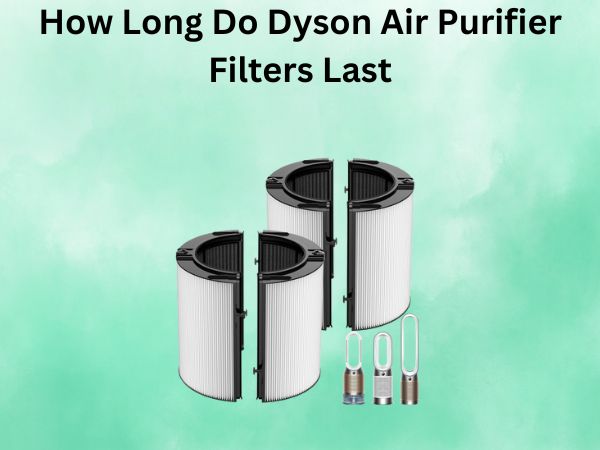
Here’s something many people overlook: your filters’ condition directly affects how long you should run your purifier. A HEPA filter typically lasts 6 to 12 months depending on usage and air quality. As a filter gets older, it becomes more restrictive, forcing your motor to work harder.
If you’re not replacing filters on schedule, your purifier becomes increasingly inefficient. You might need to run it 50 percent longer just to achieve the same results you got with a fresh filter. This makes regular filter maintenance one of the most cost-effective decisions you can make.
Set a calendar reminder to check your filters monthly. When they look noticeably gray or dark, it’s time for replacement. You might need to replace them more frequently if you run your purifier longer or live in a particularly polluted area.
Nighttime vs Daytime Operation Comparison
Daytime Benefits
Running your purifier during the day when you’re most active helps you breathe cleaner air during your most physically demanding hours. You’ll notice improved focus at work or home, better energy levels, and reduced allergy symptoms if you’re sensitive to pollutants.
Nighttime Benefits
Nighttime operation allows your respiratory system to work with cleaner air while you sleep. This promotes better sleep quality, reduces nighttime coughing or sneezing, and gives your lungs recovery time from daytime pollution exposure.
The ideal scenario for many people is running the purifier during both periods—morning cleaning, daytime operation during peak activity, and again in the evening before bed for a cumulative 12 to 14 hours daily.
Signs Your Air Purifier Isn’t Running Long Enough
How do you know if your current runtime is insufficient? Pay attention to these warning signs:
- You notice persistent dust on surfaces despite regular cleaning
- Allergy or asthma symptoms aren’t improving as expected
- Your home still smells stale or musty despite the purifier running
- Pet odors seem to linger or return quickly
- You wake up with a stuffy nose or congestion
- Air quality readings show pollution hasn’t decreased
If you’re experiencing these issues, experiment with running your purifier for 2 to 4 additional hours and monitor whether symptoms improve. You might also need a higher CADR rating purifier if your current model can’t handle your room size effectively.
Conclusion
So how long should you keep your air purifier on? The honest answer is: it depends on your individual circumstances. For most people, 8 to 12 hours daily provides excellent results while remaining cost-effective and practical. However, if you have health concerns, live in a polluted area, have pets, or notice air quality problems, longer operation makes sense.
Start by running your purifier for 8 hours daily and adjust based on your actual air quality and how you feel. Monitor indoor air quality readings, pay attention to your health symptoms, and keep your filters clean and fresh. Remember that continuous operation isn’t necessary for most people, and that’s actually good news for your electricity bill.
The best approach is the one you’ll actually stick with consistently. Whether that’s running your purifier religiously for 12 hours or smartly varying your schedule throughout the year, the important thing is maintaining regular operation based on your specific needs. Your lungs will thank you for the investment in cleaner air.
Frequently Asked Questions
Is it safe to run an air purifier 24 hours a day?
Yes, it’s completely safe to run an air purifier continuously from a technical standpoint. Modern purifiers are designed to operate for extended periods without safety risks. However, continuous operation increases your electricity costs, accelerates filter degradation requiring more frequent replacements, and subjects the motor to constant wear. For most people without severe health issues, 24/7 operation isn’t necessary and represents wasteful spending. Only consider continuous operation if you have health conditions that genuinely require it or if you live in an area with persistently dangerous air quality.
Can running an air purifier too long damage it?
Excessive running won’t immediately damage your purifier, but it will accelerate normal wear and tear on the motor and other components. Think of it like running your car constantly at high speeds—it’s not immediately destructive, but it reduces the overall lifespan of the engine. If you’re running your purifier 18 to 24 hours daily for years, you might need replacement or repairs sooner than someone running it for 8 to 10 hours. Regular maintenance, including timely filter changes, helps mitigate this wear regardless of your runtime schedule.
Should I run my air purifier when nobody is home?
Running your purifier while nobody is home is largely unnecessary and wasteful unless you have specific concerns. If you’re away for eight hours, you’re not breathing that purified air, so the primary benefit is lost. The exception would be if you have pets at home that generate significant odors or dander, or if you want to ensure fresh air is available the moment you return. In most cases, turning off your purifier during work or school hours and running it during occupied hours makes more financial and practical sense.
How long does it take an air purifier to clean a room?
The time required depends on your room size, purifier capacity (CADR rating), and current pollution level. Most quality purifiers can cycle through all the air in an appropriately-sized room 3 to 5 times per hour. This means you might notice significant improvement within 30 to 60 minutes of running a properly-matched purifier. However, achieving deeply clean air and maintaining it requires consistent operation over hours and days. For visible results like reduced dust or smell elimination, expect to see improvements within 2 to 4 hours of continuous operation.
Does an air purifier use a lot of electricity?
Air purifiers are relatively moderate electricity users compared to other appliances. A typical purifier uses between 30 to 200 watts depending on the model and fan speed setting. Running an average 100-watt purifier for 12
![What Is The Best Home Distiller for Water [In 2026]](https://bathroomexplorer.com/wp-content/uploads/2026/03/Best-Home-Distiller-for-Water.jpg)