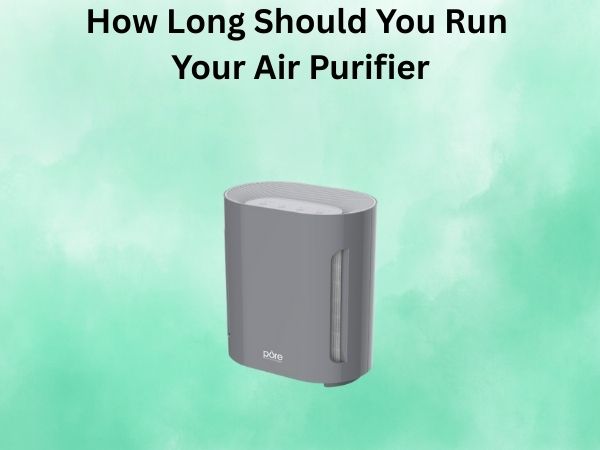
How Long Should You Run Your Air Purifier? A Complete Guide to Optimal Usage
So, you’ve brought home a shiny new air purifier, and now you’re probably scratching your head, thinking: how long should this thing actually be running? Is it a continuous operation kind of deal, or only when you sense the air quality dipping? Maybe just during certain hours? I hear these questions all the time, and the truth is, there isn’t a universal rule. But don’t worry, I’m here to guide you toward the perfect setup for your specific needs.
Think of your air purifier like a gym membership—just having one doesn’t guarantee results if you’re not using it correctly. You need the right strategy to maximize its benefits while also being mindful of energy consumption and cost. Let me walk you through everything you need to know.
Understanding Your Air Quality Needs
Before we dive into run times, let’s talk about why you got that air purifier in the first place. Are you dealing with allergies? Do you have pets that shed constantly? Are you concerned about pollution from outside? Maybe you live somewhere with wildfire smoke or have family members with asthma?
Your specific air quality challenges will heavily influence how long you should run your device. It’s like adjusting your shower temperature—you wouldn’t use the same settings in winter as you would in summer, right? Similarly, your air purifier needs different usage patterns depending on your circumstances.
Assessing Your Indoor Air Quality
The first step is honestly evaluating your current air quality. Do you notice dust settling on surfaces quickly? Can you smell odors that seem to linger? Do you experience more allergy symptoms indoors than outdoors? These are telltale signs that your air quality needs serious attention.
Many modern air purifiers come with air quality sensors that display real-time data. If yours has this feature, use it as your guide. When the air quality indicator shows “poor” or “moderate,” your device needs to work harder and longer. When it shows “good” or “excellent,” you can potentially reduce run times.
Continuous Operation vs. Part-Time Running
Here’s where things get interesting. You might be tempted to just leave your air purifier running constantly. After all, cleaner air all the time sounds pretty good, doesn’t it? But is it necessary? And is it worth the electricity bill?
The Case for Running Your Air Purifier 24/7
Let me give you the straight talk about running your air purifier around the clock. If you have severe allergies, asthma, or respiratory conditions, continuous operation might actually be your best bet. Your lungs don’t take breaks from needing clean air, so why should your purifier?
People with pets, those living in high-pollution areas, or anyone with immunocompromised family members often benefit from keeping their devices running constantly. It’s like having a security guard on duty 24/7 instead of just during business hours—the protection is always there.
Additionally, if you live in a smaller space or your air purifier is quite powerful, running it continuously might not dramatically increase your electricity costs. We’re often talking about an extra few dollars per month, which might be worth the peace of mind.
When Part-Time Running Makes Sense
On the flip side, many people don’t need continuous purification. If you live in a relatively clean area with good outdoor air quality, work outside the home for most of the day, or simply have mild indoor air quality issues, running your purifier for specific periods might be perfectly adequate.
Think about your daily rhythm. Maybe you want to run it for a few hours before you arrive home, ensuring fresh air when you walk through the door. Or perhaps running it during nighttime hours—when you’re sleeping and can’t control ventilation—makes the most sense for your lifestyle.
Running your air purifier for 8-12 hours daily often provides a good middle ground for many households. It allows your device to cycle through the air multiple times during your most active hours or sleeping hours, without running up excessive electricity costs.
Room Size and Air Purifier Capacity
Here’s something people often overlook: how powerful is your air purifier compared to the space you’re trying to clean? This matters tremendously.
The CADR Rating Explained
Air purifiers have a rating called CADR, which stands for Clean Air Delivery Rate. This number tells you how much air the device can purify per minute. If your purifier’s CADR is high relative to your room size, it’ll clean the air much faster, meaning you might not need to run it as long.
For example, if you have a small bedroom and a powerhouse air purifier designed for larger spaces, you might achieve excellent air quality with just a few hours of operation. But if you’re using a compact portable purifier in a large open-concept living area, you’ll need much longer running times to make a real difference.
Air Changes Per Hour (ACH)
Experts recommend that air purifiers complete between 4 to 5 complete air changes per hour in your space. Basically, this means the purifier should cycle all the air in your room that many times every hour. If your device can do this quickly, shorter run times work. If it takes longer, you need more runtime.
To figure out your situation, check your purifier’s specifications and compare its CADR to your room dimensions. Most manufacturers provide guidance on this, but if yours doesn’t, you can always contact customer support. They’re usually happy to help you get the right setup.
Seasonal Considerations and Air Quality Variations
Air quality isn’t static throughout the year. Different seasons bring different challenges, and your running schedule should adapt accordingly.
Dealing with Seasonal Allergies
Spring and fall are rough for allergy sufferers. If you’re one of them, increasing your air purifier’s running time during high pollen season makes absolute sense. You might run it continuously or at least for most of your waking hours during these periods.
During months when your allergies are minimal, you can dial back to more moderate usage. It’s responsive maintenance rather than a fixed routine.
Winter and Indoor Air Quality
Winter presents its own challenges. Since we keep our homes sealed up to maintain warmth, indoor air quality often deteriorates. Heating systems can dry out the air, dust circulates more within sealed spaces, and outdoor air quality often worsens due to inversions and pollution trapping.
Many people find they need to increase their air purifier usage during winter months. Running it longer helps compensate for the reduced ventilation and increased indoor air quality issues.
Summer and Open Windows
Conversely, summer allows for more open windows and natural ventilation. If your outdoor air quality is decent and you’re frequently airing out your home, you might reduce your purifier’s runtime. Why run it when you’re bringing in fresh air naturally?
Filter Lifespan and Running Time Correlation
Here’s an important connection: the longer you run your air purifier, the faster your filters get saturated. This isn’t necessarily bad—it means your device is doing its job. But you need to understand this relationship.
How Running Time Affects Filter Replacement
Most filters last between 6 to 12 months with typical use. But “typical” varies wildly. If you’re running your purifier continuously, you might need to replace filters every 3-4 months instead. If you’re running it just a couple hours daily, you might stretch those filters to a full year or beyond.
This is something to factor into your cost calculation. Continuous operation might use more electricity, and you’ll definitely replace filters more frequently. Add those costs together before deciding on a 24/7 strategy.
Monitor Your Filter Status
Many modern purifiers have filter indicators that tell you when it’s time for replacement. Pay attention to these warnings. A clogged filter is far less effective than a clean one, so there’s little benefit to running a purifier with a maxed-out filter. It’s like trying to drink through a completely blocked straw—you’re wasting effort for minimal results.
Optimal Running Schedules for Different Lifestyles
Let me give you some practical examples of how different people might approach this.
The 9-to-5 Professional Schedule
If you’re typically out of the house during work hours, consider running your purifier during your evenings and overnight. Set it to run from around 4 PM until you leave in the morning, focusing on when you’re actually breathing the air. This approach gives you 12-16 hours of daily purification when it matters most and saves energy during empty hours.
Work-From-Home Arrangements
People working from home need different timing. You’re breathing your indoor air all day, so running your purifier during your work hours makes sense. You might start it when you settle into your home office and run it throughout your workday, then potentially continue into evening hours.
Parents and Households with Children
Families with young children often benefit from longer running times since kids tend to be indoors more frequently and are more vulnerable to air quality issues. Running your purifier during all active household hours—early morning through evening—typically provides good coverage.
Pet Owners
If you share your home with pets, you’re dealing with dander, pet odors, and increased particulates. Most pet owners find that running their air purifiers for at least 12-16 hours daily helps control these issues effectively. Some prefer continuous operation for optimal results.
Allergy and Asthma Sufferers
For people with serious respiratory conditions, continuous operation is often the recommendation. Your health shouldn’t be compromised to save a few dollars on electricity. When breathing is challenging, 24/7 purification provides the consistent clean air you need.
Energy Efficiency and Cost Considerations
Let’s talk about the money side of this equation, because it’s important and often determines people’s decisions.
Calculating Your Running Costs
Most air purifiers use between 30 to 200 watts, depending on size and power level. To calculate your monthly cost, you’ll need to know your local electricity rates. Generally speaking, running a typical air purifier continuously might add $10-$25 to your monthly electricity bill, though this varies widely.
Running that same purifier for 12 hours daily might cost $5-$12 monthly. For many households, that difference might be worth it for the other benefits of extended purification. For others, it might justify cutting back on usage.
Energy-Efficient Models
If electricity costs concern you, consider upgrading to a more efficient model. Some newer air purifiers are designed to use significantly less power while maintaining performance. The initial investment might be higher, but the long-term savings could make continuous operation more affordable.
Smart Controls and Scheduling
Many modern air purifiers offer smart controls or scheduling features. You can program them to run during specific hours or adjust them based on air quality sensors. This automation takes the guesswork out of your schedule and optimizes efficiency simultaneously.
The Role of Air Quality Sensors
If your air purifier has built-in air quality sensors, you’ve got a powerful tool at your disposal. Use it wisely.
Smart Mode and Auto Settings
Many purifiers with sensors feature “smart” or “auto” modes that adjust fan speed based on detected air quality. In auto mode, your device runs at lower speeds when air is clean and ramps up when it detects pollution. This is genuinely smart because it automatically optimizes both performance and energy use.
Reading Your Air Quality Indicators
Most indicators use a color system—green for good, yellow or orange for moderate, red for poor. When you see red, your purifier should be running at maximum capacity. When it’s green, you could potentially reduce runtime or lower the fan speed without sacrificing air quality.
Special Circumstances Requiring Extended Runtime
Some situations demand more aggressive air purifier usage than typical household air quality might suggest.
Recent Renovations or New Construction
If you’ve just finished renovations, painting, or installed new furniture, your indoor air is likely full of volatile organic compounds and particulates. Running your air purifier continuously for several days or weeks after such work helps eliminate these contaminants faster.
Illness in the Household
When someone has a cold, flu, or other respiratory illness, extended air purifier operation can help reduce airborne particles they’re expelling. While air purifiers aren’t replacements for proper ventilation and hygiene during illness, they do provide added protection.
Extreme Outdoor Air Quality Events
Wildfires, industrial accidents, or severe pollution events can make outdoor air unhealthy. During these periods, keeping your air purifier running continuously indoors creates a cleaner refuge from the poor outdoor air quality.
Maintaining Your Air Purifier for Optimal Performance
Regardless of how long you run your device, proper maintenance ensures it actually delivers results.
Regular Filter Changes
Follow the manufacturer’s recommendations on filter replacement, but also pay attention to when filters actually look dirty. A clogged filter significantly reduces your device’s effectiveness, so don’t wait until the recommended time if filters are visibly saturated.
Strategic Placement
Where you position your air purifier affects how long it needs to run to be effective. Place it in high-traffic areas or near pollution sources if possible. Ensure it has clear air intake and output, unobstructed by furniture or walls. Good placement means the device works more efficiently during whatever runtime you choose.
Keeping Pre-filters Clean
Many purifiers have washable pre-filters that catch larger particles before air reaches the main filter. Cleaning these monthly extends your main filter’s life and keeps your device running at peak efficiency. It’s simple maintenance that makes a real difference.
Creating Your Personalized Air Purifier Schedule
Now, let’s put this all together and help you design your ideal running schedule.
Start by assessing your situation: your air quality needs, your purifier’s capacity, your lifestyle, and your budget constraints. Then consider these guidelines:
- Severe respiratory issues or heavy allergies: 20-24 hours daily
- Moderate allergies or pet ownership: 12-16 hours daily
- Mild air quality concerns: 8-12 hours daily
- Minimal concerns with good outdoor air: 4-8 hours daily
Within these ranges, prioritize running your purifier during times when you’re actually home and breathing the air. Early morning, evening, and nighttime hours are typically most important for personal health.
Don’t forget to adjust seasonally. Increase runtime during high-pollen seasons or winter months, and potentially reduce it during cleaner seasons if your situation allows.
Common Mistakes People Make
Before we wrap up, let me highlight some frequent missteps I see people making with their air purifiers.
Running Continuously Without Necessity
Some people think more is always better and run their purifiers 24/7 despite mild air quality issues. While this doesn’t hurt, it’s wasteful if your situation doesn’t warrant it. Being strategic is smarter than being excessive.
Neglecting Filter Maintenance
I’ve met people who run their devices constantly but never replace filters. That’s like watering a plant with a filter-clogged watering can—