Washer and Dryer Space Needs: Dimensions & Layouts
When figuring out how much space your washer and dryer take up, you’re generally looking at about 4 to 6 feet of combined width. Standard units are usually around 27 inches wide each. This means a side-by-side setup needs at least 54 inches of clear floor space. Stacked units, of course, take up much less horizontal room. It all depends on the type of appliances you choose and how you arrange them.
Thinking about laundry room dimensions can feel a bit like a puzzle. You have to consider not just the appliances themselves but also enough room to open doors and access controls. Many people find that measuring their available space carefully is the first key step. We’ve found that even a few extra inches can make a big difference in usability and comfort. Remember to account for hoses and vents too!
- Washer and dryer combos are space-savers.
- Standard side-by-side units need about 54 inches width.
- Stacked units use less floor space but need vertical room.
- Always measure your space before buying.
- Don’t forget clearance for doors and vents.
Below, we’ll break down the typical dimensions for different washer and dryer setups so you can visualize your laundry room perfectly.
How Much Room Do Washers and Dryers Actually Need?
Understanding the space requirements for your washer and dryer is essential. You need to make sure everything fits comfortably. This means looking at both the appliance dimensions and the space around them. Many people underestimate the clearance needed for doors and vents.
Standard Washer and Dryer Dimensions
Let’s start with the basics: the size of the machines themselves. Standard washers and dryers are pretty uniform in width. We found that most units are around 27 inches wide. This measurement is key for planning your layout. It’s the physical footprint of each machine.
Washer Dimensions
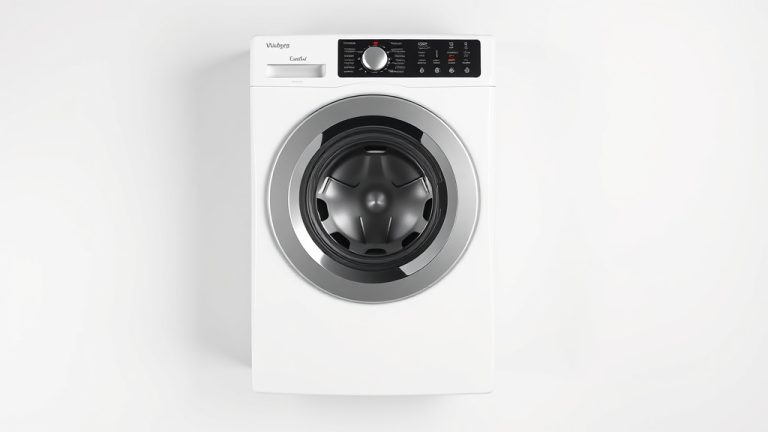
A typical washing machine measures about 27 inches in width. Height can vary, but most are around 36 to 40 inches tall. Depth is usually between 28 to 30 inches. Remember to check the specific model’s specs. Some high-capacity models might be a bit wider or deeper.
Dryer Dimensions
Dryers generally match the dimensions of washers. Expect a width of around 27 inches for most standard dryers. Their height is usually similar, often around 36 to 40 inches. The depth is also comparable, typically 28 to 30 inches. Again, always double-check your chosen model’s product details.
Common Washer and Dryer Setups and Their Space Needs
The way you arrange your washer and dryer greatly impacts the space you’ll need. There are a few popular configurations, each with different requirements. We’ve looked at the most common ones to give you a clear picture.
Side-by-Side Configuration
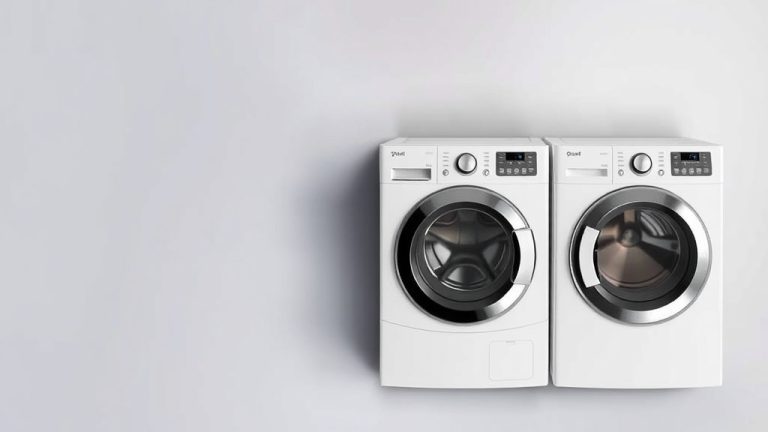
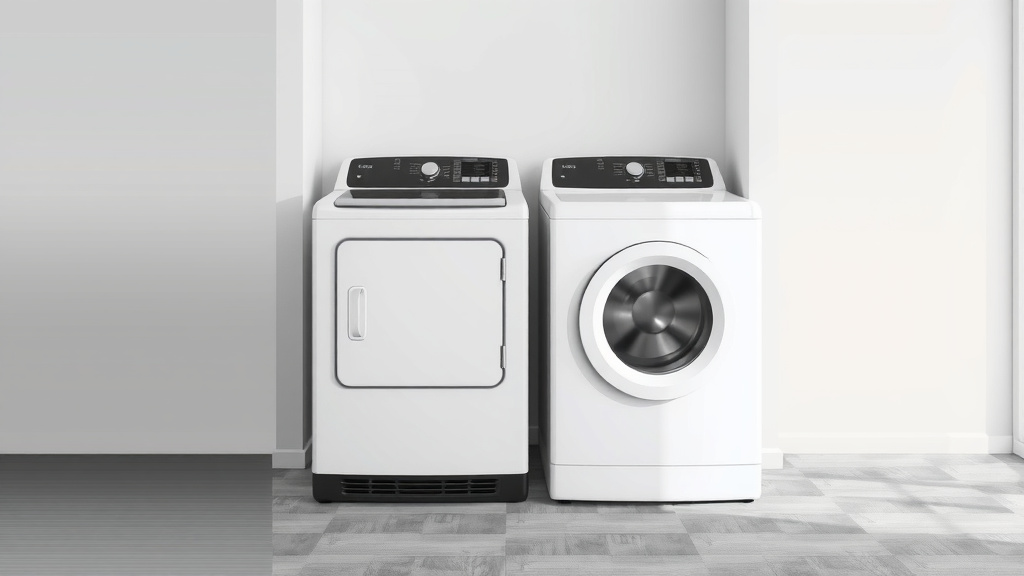
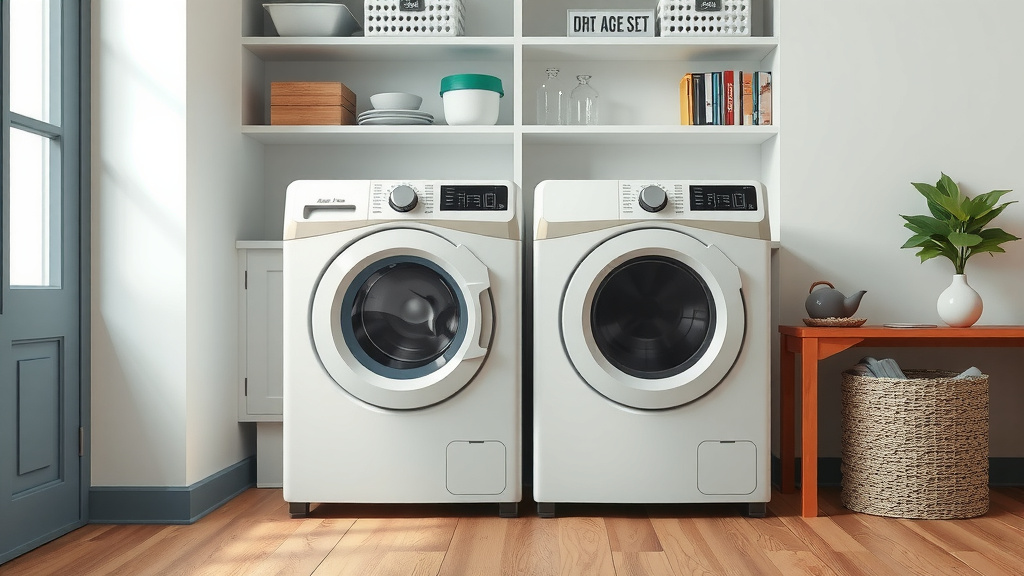
This is perhaps the most common setup. You place the washer and dryer next to each other. For two standard 27-inch wide machines, you’ll need a minimum combined width of about 54 inches. This doesn’t include any space between them. Experts recommend leaving a small gap, perhaps an inch or two, for airflow and easier access.
Clearance for Doors and Drawers
Don’t forget the doors! A washer door typically swings out about 20 inches. A dryer door might swing out similarly, or it could open downwards. You need enough space for these doors to open fully. We found that having at least 20-25 inches of clear space in front of each appliance is a good rule of thumb. This allows you to load and unload laundry comfortably. If you have front-loading machines, this clearance is especially important.
Utility Connections
Consider where your water hoses, drain pipes, and electrical outlets or gas hookups are located. These connections add to the depth needed behind the machines. We found that adding 4-6 inches to the depth of each appliance accounts for hoses and ventilation. This prevents kinking and ensures proper airflow, which is vital for appliance longevity and efficiency (Energy Star).
Stacked Configuration
Stacking your washer and dryer is a fantastic way to save floor space. This is ideal for smaller laundry rooms or tight closets. In this setup, the dryer sits on top of the washer. The combined width remains that of a single appliance, around 27 inches. However, the height requirement increases significantly.
Vertical Space Considerations
When stacked, your appliances can reach a total height of 70 to 80 inches, or even more for some models. You need adequate vertical clearance in your room. Make sure there are no low-hanging shelves or light fixtures directly above. Many people find that measuring the ceiling height is crucial here. You’ll also need access to the controls on both machines, especially the top dryer.
Stacking Kits and Safety
Most manufacturers offer specific stacking kits for their appliances. These kits secure the top unit to the bottom one, ensuring stability and safety. We found that using the manufacturer’s recommended stacking kit is highly advised. It’s designed for the specific models, so it fits perfectly. This prevents wobbling or tipping, which is a real concern with tall appliances.
Washer Dryer Combo Units
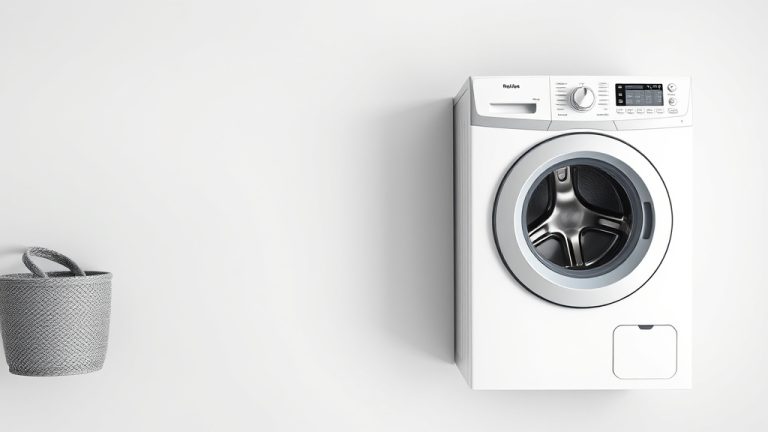
These are all-in-one wonders! A washer dryer combo unit washes and then dries your clothes in a single drum. This is the ultimate space-saver. These units typically have the dimensions of a standard washing machine, around 27 inches wide. They offer a convenient solution for very limited spaces.
Performance and Capacity
While incredibly space-efficient, combo units have some trade-offs. Their drying capacity is often smaller than their washing capacity. This means you might need to remove some items to dry them fully. We found that for larger families, separate washer and dryer units might be more practical. However, for singles or couples, a combo can be a great choice.
Calculating Your Total Space Needs: A Simple Checklist
To ensure you have enough room, let’s break down what to measure. Think of this as your quick guide to avoid laundry room headaches.
- Appliance Widths: Measure the width of your chosen washer and dryer (or combo unit).
- Appliance Depths: Note the depth of each appliance, adding 4-6 inches for connections.
- Door Clearance: Ensure at least 20-25 inches of clear space in front for opening doors.
- Height Requirements: For stacked units, measure the total stacked height and ceiling clearance.
- Overall Footprint: Calculate the total width and depth needed for your chosen configuration.
- Access Space: Remember you need to be able to reach controls and easily load/unload.
The Importance of Proper Ventilation and Access
We can’t stress this enough: ventilation is key for both your appliances and your comfort. Dryers, especially, produce heat and moisture. Proper venting removes this, preventing potential damage to your home and improving drying efficiency. Many experts suggest ensuring your dryer vent is as short and straight as possible (Department of Energy). Also, make sure you can easily reach the control panels and detergent drawers. You don’t want to be contorting yourself to start a load!
| Setup Type | Approx. Minimum Width | Approx. Minimum Depth (with connections) | Approx. Height | Key Consideration |
|---|---|---|---|---|
| Side-by-Side | 54 inches (27″ washer + 27″ dryer) | 32-36 inches | 36-40 inches | Door swing clearance |
| Stacked | 27 inches | 32-36 inches | 70-80+ inches | Vertical ceiling height |
| Washer/Dryer Combo | 27 inches | 32-36 inches | 36-40 inches | Capacity limitations |
This table gives you a quick visual comparison. It helps you see how different setups impact your available space. Remember, these are minimums. It’s always better to have a little extra room!
Conclusion
Figuring out the space for your washer and dryer is all about smart planning. You’ve learned that standard side-by-side units need about 54 inches of width, while stacked units save floor space but need vertical room. Remember to always account for door swings, utility connections, and the essential clearance for proper ventilation and access. Don’t let laundry day become a squeeze play!
Your next step is simple: grab your measuring tape. Measure your laundry area carefully, then compare those dimensions to the setups you’re considering. This will help you choose the perfect fit for your home and needs, ensuring a functional and comfortable laundry space.
Frequently Asked Questions
What is the standard width for a washer and dryer?
Most standard washers and dryers come in at about 27 inches wide. This width is consistent whether you’re looking at front-loaders or top-loaders. You’ll use this measurement as the foundation for planning most layouts, especially side-by-side configurations.
How much space do I need in front of my washer and dryer?
You’ll want at least 20 to 25 inches of clear space in front of your appliances. This allows you to comfortably open the doors, load and unload laundry, and access controls. For front-loading machines, this clearance is especially important to prevent bending uncomfortably.
Can I put a washer and dryer in a closet?
Yes, you absolutely can! If the closet is wide enough, you can often fit a side-by-side setup, or even a stacked unit if it has sufficient vertical clearance. Just be sure there’s enough room for the doors to open and for proper ventilation, which is key for appliance longevity.
Do stacked washer and dryer units require special kits?
Generally, yes. Most manufacturers offer specific stacking kits designed to secure the dryer safely on top of the washer. We found that using the recommended kit is highly advised for stability and safety, preventing any wobbling or tipping.
What if my laundry space is very narrow?
If you have a narrow space, a washer-dryer combo unit is likely your best bet. These all-in-one appliances take up the width of a single washing machine, around 27 inches. While they have smaller capacities, they are designed for maximum space efficiency.