Choosing the Right Washer: A Buyer’s Guide
Choosing the right type of washer depends on your needs and budget, but for most homes, a high-efficiency (HE) front-loader offers the best performance and water savings. You can also find excellent HE top-loaders that are easier on your back. Traditional agitator top-loaders are the most affordable upfront, though they use more water and are gentler on clothes. We’ve researched and found that HE models consistently outperform older designs.
When deciding between a washer and dryer pair, consider your laundry habits. If you do a lot of large loads, you’ll want a larger capacity machine. Space constraints might push you towards a stackable washer-dryer unit. Think about the features that matter most to you, like steam cycles or specialized wash options, as these can affect the overall cost and your laundry day convenience. Many experts say HE machines save you money on utility bills over time.
- HE front-loaders are top performers for cleaning and efficiency.
- HE top-loaders offer a good balance of features and convenience.
- Consider capacity based on your typical laundry load size.
- Stackable units are ideal for saving space.
- Budget will guide you towards basic or advanced features.
Let’s walk through exactly how to pick the perfect washer for your home.
Choosing Your Ideal Washing Machine
Selecting the right washing machine is a big decision for your household. You want something that cleans your clothes effectively and efficiently. Let’s break down the main types available. We’ll help you find the perfect fit for your laundry needs and budget.
Understanding the Different Washer Types
Front-Loading Washers: The High-Efficiency Champions
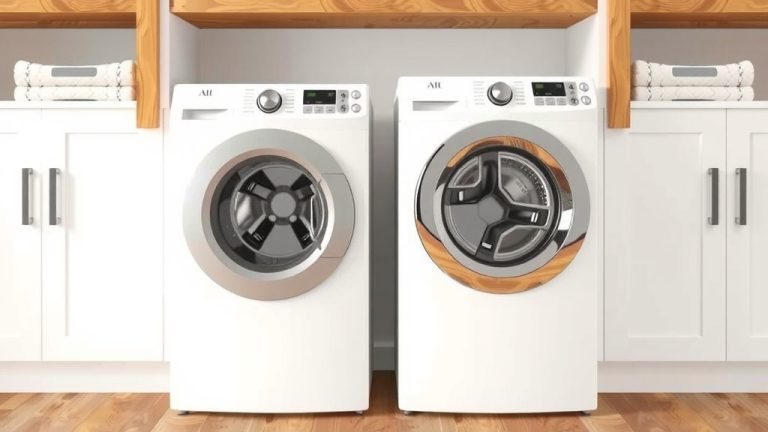
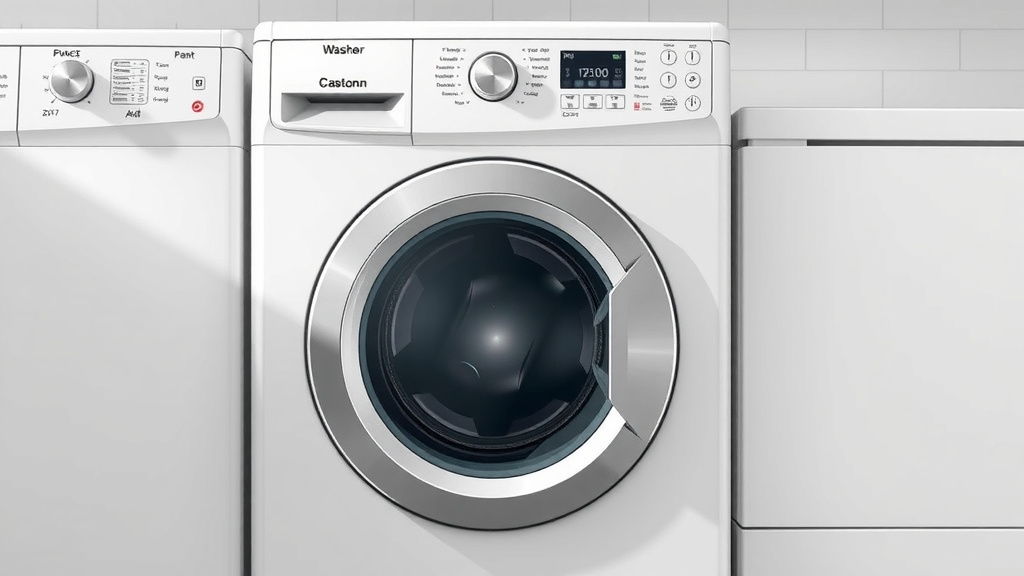
Front-load washers spin clothes at very high speeds. This uses less water and energy. They are generally considered more efficient. They also tend to be gentler on fabrics. This means your clothes may last longer. Many models include steam settings. These can help sanitize and remove wrinkles.
While upfront costs can be higher, front-loaders often save you money over time. This is due to lower utility bills. They also offer better cleaning performance. Many experts recommend them for their overall effectiveness. Research shows they use significantly less water than older top-loaders.
Top-Loading Washers: Convenience and Choice
Top-loaders offer a variety of options. You’ll find traditional models and newer high-efficiency (HE) types. Let’s look at both.
Traditional Agitator Top-Loaders
These are the washers many grew up with. They have a central post, or agitator. This twists clothes to clean them. They are usually less expensive upfront. They also tend to be easier to load. You don’t have to bend over as much.
However, agitator models use more water and energy. They can also be rougher on clothes. This can lead to more wear and tear over time. For budget-conscious buyers, they are an option. But HE models offer better long-term value.
High-Efficiency (HE) Top-Loaders
These machines ditch the central agitator. Instead, they use an impeller at the bottom. This is a low-profile cone or disc. It tumbles clothes more gently. HE top-loaders are more water-efficient than traditional models. They also clean clothes effectively.
They offer a good middle ground. You get better efficiency than agitator models. Plus, loading is easier than front-loaders. Many find this type the most convenient. They are a popular choice for many households. We found they offer a great balance of features and ease of use.
Key Features to Consider
Capacity: How Much Laundry Do You Do?
Washer capacity is measured in cubic feet. Think about your typical laundry needs. A family of four might need a larger capacity. This allows for fewer, larger loads. A single person might be fine with a smaller machine.
Larger capacities can handle bulky items like comforters. This is a big plus for many people. Check the internal drum size. A 4.0 to 5.0 cubic feet capacity is common. It can handle most household needs. For very large families, consider even bigger models.
Energy and Water Efficiency Ratings
Look for the ENERGY STAR label. This indicates the appliance meets strict energy efficiency guidelines. These standards are set by the EPA. ENERGY STAR certified washers use less energy and water. This saves you money on utility bills. It’s also better for the environment.
The water factor (WF) is another rating. It shows gallons of water used per cubic foot of capacity. Lower WF numbers are better. Many government guidelines suggest choosing ENERGY STAR models. They offer clear cost savings.
Specialty Cycles and Features
Modern washers come with many unique cycles. These include steam, sanitizing, and allergen cycles. Some offer quick wash options. Others have specialized settings for delicates or sportswear. Consider which features are truly useful for you.
Think about your common laundry problems. Do you need to remove tough stains? Do you have allergies? These features can add to the cost. But they can also make laundry day much easier. Many experts advise focusing on core cleaning performance first.
Space-Saving Solutions: Stackable Washer-Dryer Units
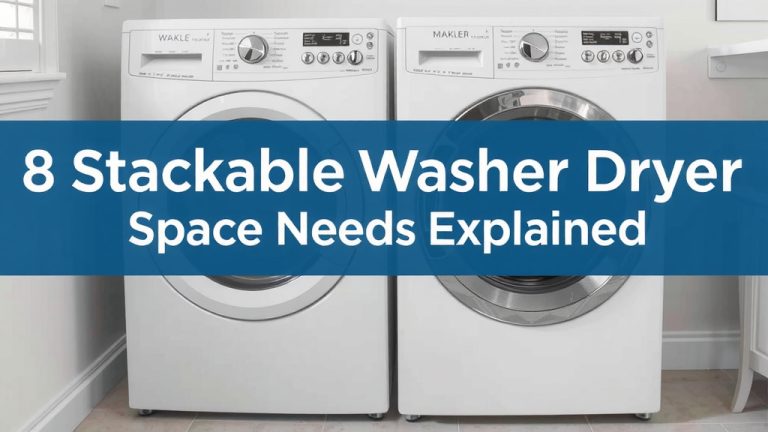
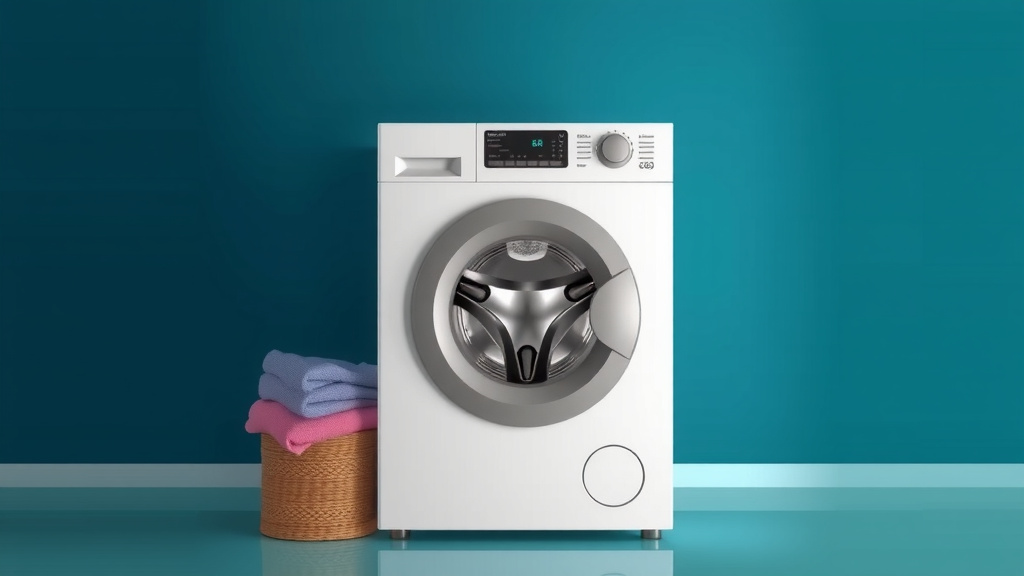
If space is a concern, a stackable unit might be perfect. These combine a washer and dryer in one tall appliance. This is ideal for small apartments or homes. It frees up floor space in your laundry room. You can often find both front-load and some HE top-load options that stack.
Make sure you measure your space carefully. You’ll need enough height. Also, check the doorway clearance. These units can be heavy. Professional installation is often recommended. Stackable units can be a fantastic solution for compact living.
Making Your Final Choice: A Quick Checklist
Here’s a quick way to think about your needs:
- Consider your laundry volume: How many loads per week?
- Evaluate your space: Do you need a compact or stackable unit?
- Prioritize features: What cycles are essential for your household?
- Check your budget: How much are you willing to spend upfront and long-term?
- Think about convenience: Do you prefer front or top loading?
- Look for efficiency: Aim for ENERGY STAR certified models.
| Type | Pros | Cons | Best For |
|---|---|---|---|
| HE Front-Loader | Excellent cleaning, high efficiency (water/energy), gentler on clothes | Higher upfront cost, may require bending | Best overall performance, saving money long-term |
| HE Top-Loader | Good efficiency, easier to load than front-loaders, gentler than agitators | Can be more expensive than agitator models | Convenience and efficiency balance |
| Agitator Top-Loader | Lowest upfront cost, easy to load | Uses more water/energy, rougher on clothes | Tight budgets, basic laundry needs |
Conclusion
You’ve learned about the main washer types and what to consider. High-efficiency front-loaders offer top cleaning and savings. HE top-loaders provide a great balance of convenience and efficiency. Traditional agitator models are budget-friendly but less efficient. Think about your laundry volume, space, and must-have features. ENERGY STAR models offer long-term cost benefits. Take a moment to review your needs against these options. Your next step is to visit a retailer or browse online, armed with this knowledge to make your best choice.
Frequently Asked Questions
Are HE washers worth the extra cost?
Yes, research and found that HE washers generally are. They use significantly less water and energy. This leads to lower utility bills over the life of the appliance. While the upfront cost may be higher, you’ll likely save money in the long run.
Can I wash bulky items like comforters in any washer?
Larger capacity washers, especially HE front-loaders, are best for bulky items. Ensure the item fits comfortably inside without forcing. Your washer’s manual will often specify what it can handle. Smaller machines might struggle with large bedding.
How often should I clean my washing machine?
It’s recommended to clean your washing machine monthly. This helps prevent odor buildup and keeps it running efficiently. You can use special washing machine cleaners or run a hot water cycle with vinegar. Wipe down the door seals regularly, especially on front-loaders.
What does “high-efficiency” actually mean for a washer?
High-efficiency (HE) washers use less water and energy than traditional machines. They achieve this through improved wash actions and designs. HE front-loaders use tumbling, while HE top-loaders use impellers instead of a central agitator.
Is a stackable washer-dryer unit always more expensive?
Not necessarily. While some high-end stackable units can be pricey, many offer competitive pricing. They are an excellent solution for saving space in smaller homes or apartments. You can often find HE models that stack, offering good efficiency.