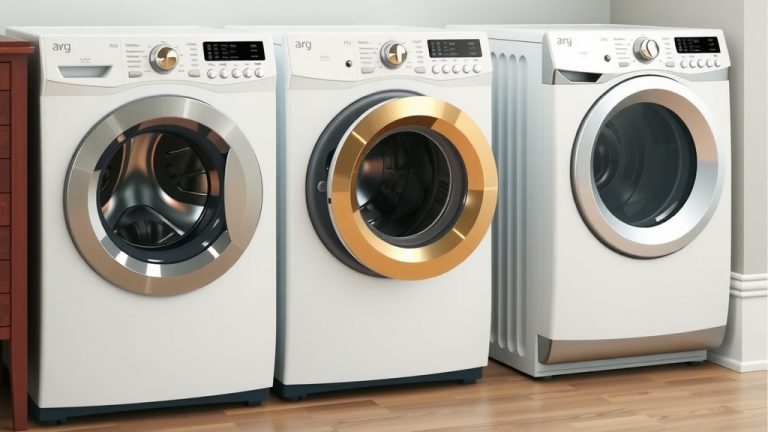
Choosing the Best Washing Machine: A 2026 Buyer’s Guide
Choosing the best washing machine for your home involves considering a few key factors to ensure you get the right fit. You’ll want to look at capacity, efficiency, and the types of wash cycles that match your laundry needs. Think about your household size and how much laundry you do each week.
There are two main types: top-load and front-load machines, each with its own pros and cons regarding water usage, gentleness on clothes, and cleaning power. Many modern machines also offer smart features and special cycles for delicates or heavily soiled items. Making an informed choice means balancing features with your budget and available space.
- Consider your family size and laundry volume.
- Front-load vs. top-load: weigh the pros and cons.
- Look for energy and water efficiency ratings.
- Think about the special wash cycles you’ll actually use.
- Don’t forget about budget and available space.
Let’s walk through exactly how to pick the perfect washing machine for your needs, step by step.
Navigating Your Options for the Best Washing Machine
Picking a washing machine might seem like a simple chore, but it’s one that impacts your daily life. You want a machine that cleans your clothes well without using too much water or energy. Let’s break down what to look for to find the perfect fit for your laundry room and your budget.
Understanding Washing Machine Types: Top-Load vs. Front-Load
The first big decision you’ll make is between a top-load and a front-load washing machine. Both do the job, but they do it differently. Think about what matters most to you in a washing machine.
Top-Load Washing Machines
Top-load machines have the door on top, so you load your laundry from above. They are generally easier to load for many people. You can often add clothes mid-cycle, which is a handy feature.
Traditional Agitator Top-Loaders
These machines use a central post, called an agitator, to move clothes around. They are very effective at cleaning tough stains. However, they can be rougher on fabrics. They also tend to use more water than other types (Consumer Reports).
High-Efficiency (HE) Top-Loaders
These are a newer style. They don’t have a central agitator. Instead, they use an impeller at the bottom of the tub to move clothes. HE top-loaders use less water and are gentler on clothes than agitator models. They often have larger capacities too.
Front-Load Washing Machines
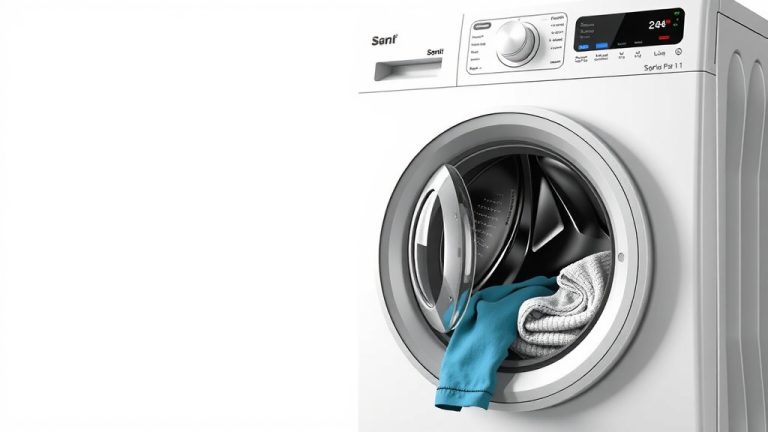
Front-load washers have a door on the front, like a dryer. You load them by bending down or installing them on pedestals. They are known for being very energy and water efficient. They also tend to clean clothes more gently.
Many studies show front-loaders use about 40% less water than top-loaders. They also spin clothes at higher speeds, which removes more water. This means less time in the dryer, saving you more energy (Energy Star).
Pros of Front-Loaders
They are great at cleaning and are gentle on your clothes. Because they use less water, they are also more environmentally friendly. Many front-loaders offer excellent cleaning performance and can handle larger loads efficiently.
Cons of Front-Loaders
Front-loaders can be more expensive upfront. They also require you to bend down to load and unload, which might be a concern for some. You can’t easily add forgotten items mid-cycle. Lastly, you need to remember to leave the door ajar to prevent mold and mildew growth.
| Feature | Top-Load (Agitator) | Top-Load (HE Impeller) | Front-Load |
|---|---|---|---|
| Loading Style | Top | Top | Front |
| Water Usage | High | Medium | Low |
| Gentleness on Clothes | Rough | Medium | Gentle |
| Cleaning Power | Strong | Good | Very Good |
| Cost (Typical) | Lower | Medium | Higher |
| Cycle Time | Shorter | Medium | Longer |
Capacity: How Much Laundry Do You Actually Do?
Washing machine capacity is measured in cubic feet. It tells you how large a load the drum can hold. Think about the size of your household and how often you do laundry. A larger family will need a larger capacity machine.
For a single person or a couple, a smaller capacity (around 2-3 cubic feet) might be enough. For a family of four or more, you’ll likely want a capacity of 4.5 cubic feet or larger. This means fewer loads per week, saving you time and energy.
Energy and Water Efficiency Matters
Look for the ENERGY STAR® label on washing machines. This certification means the appliance meets strict energy efficiency guidelines set by the U.S. Environmental Protection Agency. These machines use less energy and water than standard models.
You’ll also see a water factor (WF) rating. This number indicates how many gallons of water are used per cubic foot of capacity. A lower water factor means the machine is more efficient. Many guidelines suggest aiming for a WF of 5 or less for top-loaders and 4 or less for front-loaders.
Essential Wash Cycles and Features to Consider
Modern washing machines come with a wide array of cycles. Think about the types of clothes you wash regularly. Do you have lots of delicates, athletic wear, or heavily soiled items?
Most machines will have standard cycles like Normal, Delicates, Heavy Duty, and Quick Wash. Consider if you need specialized cycles. Many families find a Sanitize cycle useful for bedding and baby clothes. Others might need a specific cycle for allergens or bulky items like comforters.
Smart Features and Connectivity
Some washers offer smart features. You can often control them remotely via a smartphone app. This allows you to start or stop cycles, get notifications when a load is done, or even download new cycles. While convenient, these features can add to the cost, so decide if they are worth it for you.
Budget and Space: Practical Considerations
Washing machines range widely in price. Basic models can be quite affordable. High-end, feature-rich machines can cost well over $1,000. Set a budget before you start shopping. Remember to factor in potential delivery and installation costs.
Measure your laundry space carefully. Check the width, depth, and height. Make sure you have enough clearance for the door to open fully. Also, consider the space needed for venting if you are buying a dryer.
Installation and Hookups
Most washing machines require a hot and cold water supply, a drain hose, and an electrical outlet. Front-loaders may also need a drain pump if they are installed in a basement or other area far from a drainpipe.
Here’s a quick checklist to help you choose:
- Measure your laundry space accurately.
- Determine your family size and typical laundry load.
- Decide between a top-load or front-load machine.
- Check for ENERGY STAR ratings for efficiency.
- List the wash cycles and features you truly need.
- Set a realistic budget.
Conclusion
You’re now ready to choose your ideal washing machine! We’ve covered the essentials like capacity, understanding the difference between top-load and front-load models, and the importance of efficiency ratings. Remember to balance these features with your budget and the available space in your laundry room.
By carefully considering your household’s needs and the practical aspects, you can find a machine that makes laundry day easier for years to come. Your next step is to start measuring your space and browsing models that fit your criteria!
Frequently Asked Questions
How often should I clean my washing machine?
It’s a good practice to clean your washing machine at least once a month. This helps prevent odors and keeps the machine running efficiently. You can use a washing machine cleaner or a simple mixture of vinegar and baking soda.
Are smart washing machines worth the extra cost?
Smart features like app control can be convenient for busy households. They allow you to monitor cycles and receive alerts remotely. Whether they are worth the extra cost depends on how much you value that connectivity and convenience.
What’s the difference between a high-efficiency (HE) and a traditional washer?
HE washers use less water and energy than traditional models, often without an agitator. They typically clean clothes more gently and are better for the environment. Traditional washers, especially agitator models, can be rougher on fabrics and use more resources.
Can I install a washing machine myself?
For many people, basic installation is manageable if you’re comfortable with simple plumbing and electrical connections. However, professional installation ensures everything is hooked up correctly and safely, especially if you have specific hookup needs.
How do I know if a washing machine will fit in my laundry area?
Always measure your laundry space dimensions carefully, including width, depth, and height. Don’t forget to account for clearance needed for doors to open fully and for any hoses or vents. Check the machine’s specifications against your measurements before buying.