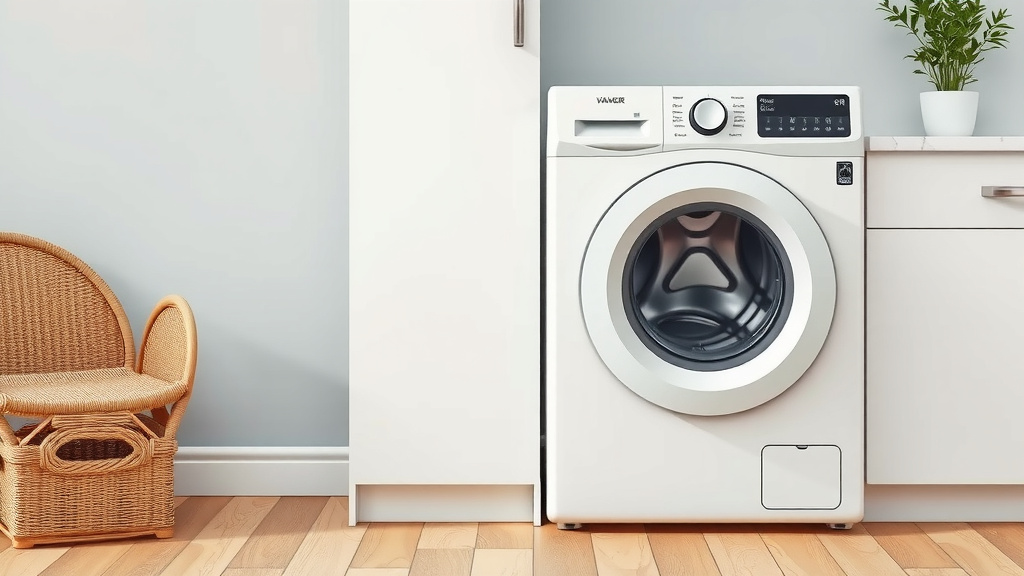
Choosing the Right Washing Machine for Your Home
Choosing the right washing machine for your home involves considering capacity, type, and your budget. You’ll want a machine that efficiently handles your laundry needs without breaking the bank. Think about how much laundry you do each week and the size of your household. This will help you determine the ideal drum size.
We found that understanding the difference between top-load and front-load models is key. Top-loaders often come at a lower price point and are easier to load. Front-loaders typically offer better cleaning performance and energy efficiency, saving you money in the long run. Many experts also point to the importance of checking the energy star rating for long-term savings.
- Consider your laundry load size.
- Decide between top-load or front-load.
- Factor in water and energy efficiency.
- Set a realistic budget. Setting a realistic budget is important, and our guide to washing machine costs can help.
- Look for useful features like steam cycles or smart connectivity.
Let’s walk through the essential factors to help you find the perfect washing machine for your home.
Navigating Your Washing Machine Options
Choosing the right washing machine can feel like a big decision. You want something that cleans your clothes well. You also want it to be easy on your wallet and the environment. Let’s break down the main choices you’ll face.
Understanding Washing Machine Types
Top-Load Washers: The Familiar Favorite
Top-load washers have been around for a long time. Most people are familiar with them. You toss your clothes in from the top. They typically have a central agitator that moves clothes around. This can be tough on fabrics. However, they are often less expensive upfront.
Many consumers find top-loaders easier to use. You don’t have to bend over as much to load or unload. Plus, you can usually add forgotten items mid-cycle. We found that this convenience is a big draw for many households.
Agitator vs. Impeller Top-Loaders
There are two main types of top-loaders. Traditional models use an agitator. This is a tall post in the center of the drum. It twists and turns clothes. Newer high-efficiency (HE) models use an impeller. This is a cone or disc at the bottom of the drum.
Impeller models use less water. They are also gentler on your clothes. Many experts recommend impeller models for better fabric care (Consumer Reports).
Front-Load Washers: Efficiency Champions
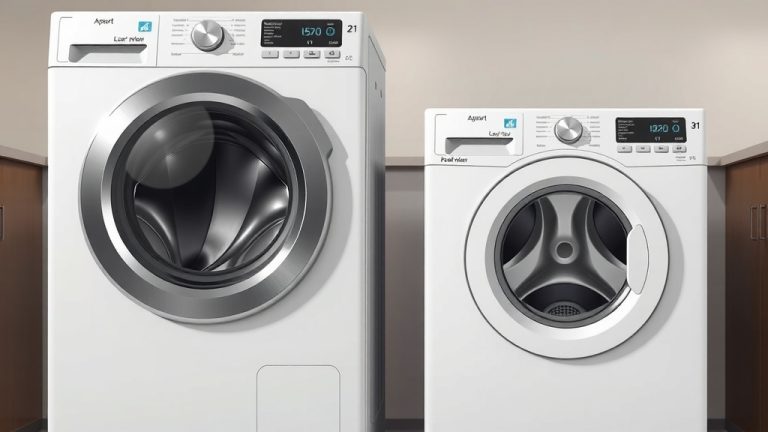
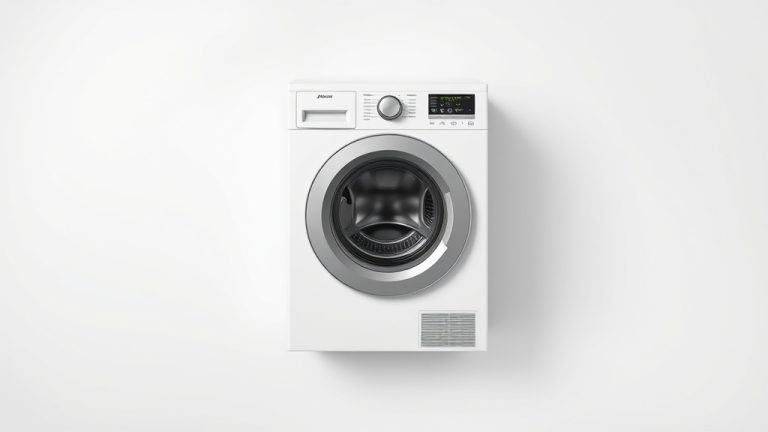
Front-load washers have a door on the front. You load clothes through this door. They use a tumbling action to wash clothes. This method is very effective at cleaning. It’s also much gentler on your garments.
One of the biggest advantages of front-loaders is their water and energy efficiency. They use significantly less water than most top-loaders. This means lower utility bills over time. Many guidelines point to front-loaders as the most energy-efficient choice (Energy Star).
Front-loaders also tend to have higher spin speeds. This extracts more water from your clothes. That means less time in the dryer, saving you even more energy and money. We found that the long-term savings can be quite substantial.
However, front-loaders usually have a higher initial cost. They also require you to bend down to load and unload. Some people find the cycles can be longer, too. You’ll also need to be mindful of potential mold or mildew issues around the door seal if not maintained properly.
Key Features to Consider
Capacity: How Much Can It Hold?
Washing machine capacity is measured in cubic feet. This tells you how much laundry the drum can hold. The right size depends on your household. A single person or couple might only need a small to medium capacity.
Larger families will benefit from a high-capacity washer. This allows you to wash more clothes at once. It can save you time and energy. Think about how often you do laundry. If you do several loads a week, a bigger drum is likely a good idea.
We found that a good rule of thumb is to aim for at least 4.0 cubic feet for a family of four. More is often better if you wash bulky items like comforters. A capacity of 4.5 cubic feet or more is generally considered large.
Energy and Water Efficiency Ratings
Look for the Energy Star label. This certification means the appliance meets strict energy efficiency guidelines. Energy Star certified washers use less energy and water than standard models. This translates to lower utility bills for you.
The U.S. Department of Energy provides testing data. They can help you compare models. Many experts recommend looking at the estimated yearly operating cost. This can be a direct indicator of savings.
Spin Speed: Getting Clothes Drier
Spin speed is measured in revolutions per minute (RPM). A higher RPM means the drum spins faster. This removes more water from your clothes. Washers with higher spin speeds can reduce drying time.
Front-load washers generally have much higher spin speeds than top-loaders. We found that speeds of 1000 RPM or more are common. Some high-end models can reach 1600 RPM. This can make a noticeable difference in how quickly your clothes dry.
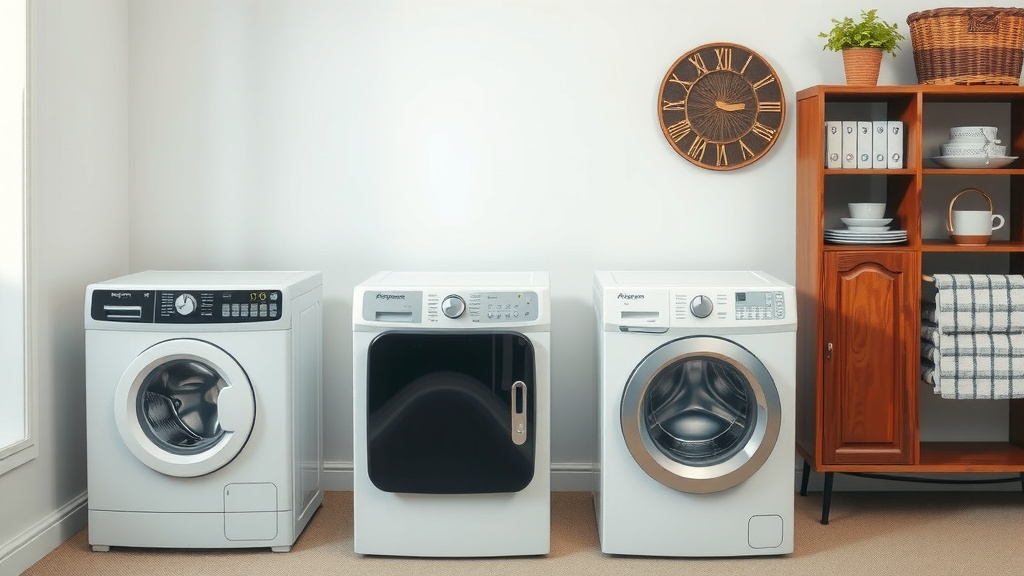
Making Your Final Choice: A Quick Checklist
To help you decide, consider these points:
- Household Size: How many people are you washing for?
- Laundry Habits: How much laundry do you do weekly?
- Space Availability: Measure where the machine will go.
- Budget: Set a realistic price range.
- Efficiency Goals: How important are water and energy savings?
- Special Needs: Do you need allergen cycles or steam options?
| Feature | Top-Load (Agitator) | Top-Load (Impeller) | Front-Load |
|---|---|---|---|
| Initial Cost | Lowest | Mid-Range | Highest |
| Cleaning Performance | Good | Very Good | Excellent |
| Water Usage | High | Medium | Low |
| Energy Usage | High | Medium | Low |
| Fabric Care | Harsh | Gentle | Very Gentle |
| Convenience (Loading) | Easiest | Easy | Requires Bending |
Conclusion
You’ve learned a lot about choosing the perfect washing machine! Remember, the best choice balances your household needs, laundry habits, and budget. We found that understanding the difference between top-load and front-load models is key. Don’t forget to consider capacity and energy efficiency for long-term savings. Take a moment to measure your space and review your laundry routine. Your next step is to compare models based on these factors. You’ll find a washer that makes laundry day much easier.
Frequently Asked Questions
How do I know what washing machine capacity I need?
Consider your household size and how often you do laundry. For a family of four, a 4.0 cubic feet capacity is a good starting point. If you wash bulky items like comforters regularly, aim for 4.5 cubic feet or more.
Are front-load washers really more energy-efficient?
Yes, front-load washers are generally more energy and water-efficient. They use less water and typically have higher spin speeds. This means your clothes get drier, reducing dryer time and saving you money on utility bills.
What’s the difference between an agitator and an impeller top-loader?
An agitator is a tall post in the center that moves clothes roughly. An impeller is a low-profile disc at the bottom that gently moves clothes. Impellers use less water and are gentler on fabrics, making them a better choice for most people.
How important is the spin speed (RPM) on a washing machine?
Spin speed, measured in RPM, determines how much water is extracted from your clothes. Higher RPMs mean clothes come out drier, leading to shorter drying times. This can save you energy and time, especially if you have a separate dryer.
Should I prioritize features like steam cycles or smart connectivity?
These features can enhance convenience and cleaning. Steam cycles can help with sanitizing and reducing allergens. Smart connectivity allows for remote control and diagnostics. Decide if these extras fit your budget and laundry needs.