Choosing the Right Washing Machine: A Buyer’s Guide
Choosing the right washing machine involves understanding your laundry needs and matching them with key features like capacity, efficiency, and budget. You want a machine that cleans effectively without breaking the bank or wasting water. We found that considering your household size is a great starting point.
There are two main types: top-load and front-load washers, each with pros and cons. Top-loaders are often more affordable and easier to load. Front-loaders tend to be more water and energy efficient and gentler on clothes. Your decision hinges on balancing initial cost with long-term savings and performance. We researched many options to help you make the best choice.
- Consider your laundry volume.
- Decide between top-load and front-load.
- Look at energy efficiency ratings.
- Factor in your budget.
- Check for desired special features.
Let’s walk through how to pick the washing machine that’s perfect for your home and your laundry routine.
Selecting Your Ideal Washing Machine
Choosing the right washing machine can feel like a big decision. You want something that cleans your clothes well. You also want it to be easy on your wallet and the planet. Let’s break down what you need to consider to find the perfect fit for your home.
Understanding Washing Machine Types
Top-Load Washers: The Familiar Friend
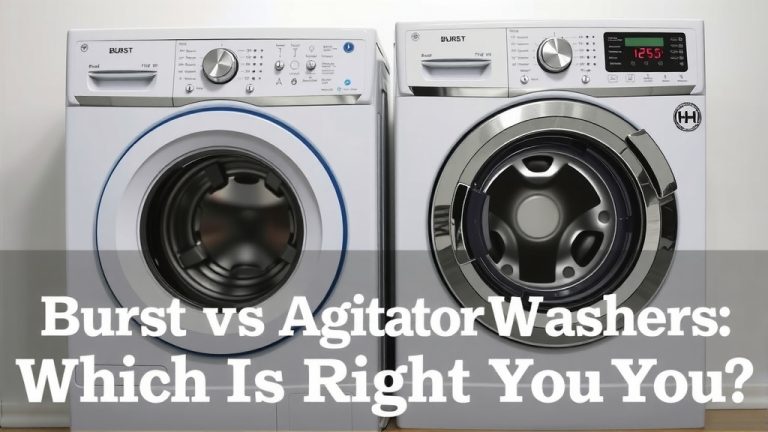
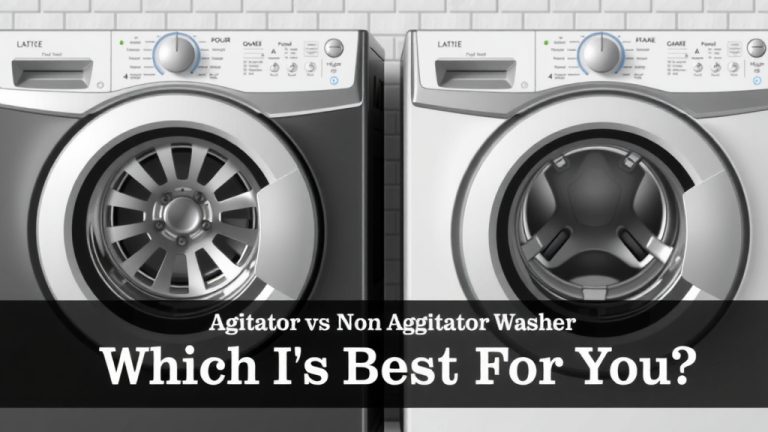
Top-load washers are what many of us grew up with. They have the lid on top. This means you load clothes into the drum from above. They often have a central agitator. This is a post that twists and turns clothes. Many people find them easy to use. You can add forgotten items mid-cycle too. They also tend to be less expensive upfront than front-loaders. If you have back issues, not having to bend down can be a big plus.
Front-Load Washers: The Modern Marvel
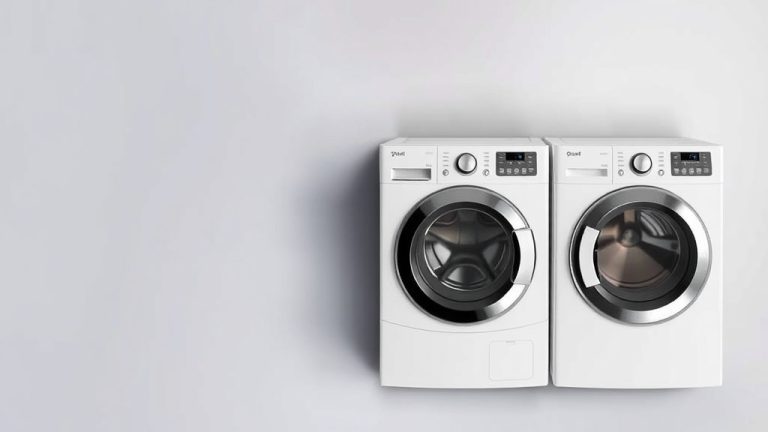
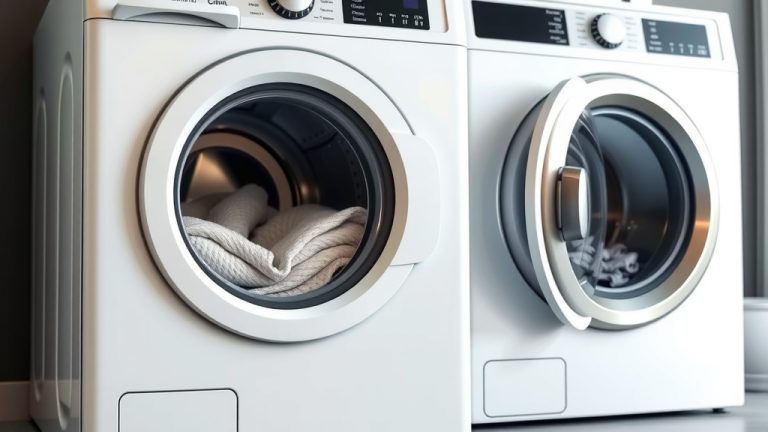
Front-load washers have a door on the front. You load clothes into the drum through this door. They typically use an impeller. This is a low-profile cone or disc. It tumbles clothes gently through the water. We found that front-loaders are often more energy and water efficient. They use less water per load. This can save you money on utility bills over time. They are also gentler on your clothes. This means your favorite items might last longer. Many also offer higher spin speeds. This removes more water, leading to shorter drying times.
| Feature | Top-Load Washer | Front-Load Washer |
|---|---|---|
| Loading Style | Top (easier for some) | Front (gentler on clothes) |
| Water Efficiency | Lower | Higher |
| Energy Efficiency | Lower | Higher |
| Cleaning Action | Agitator (can be harsher) | Tumbling (gentler) |
| Cost (Initial) | Generally Lower | Generally Higher |
| Cycle Time | Often Shorter | Often Longer (but more efficient) |
Sizing Up Your Needs: Capacity Matters
Consider Your Household Size
How many people live in your home? This is a key factor. A single person or couple might only need a smaller capacity washer. A large family will likely need a larger capacity. Washing more clothes at once saves time and energy. Many experts recommend choosing a capacity that allows you to wash one to two loads per person per week. For example, a household of four might aim for a 4.5 to 5.0 cubic foot capacity.
Typical Household Needs
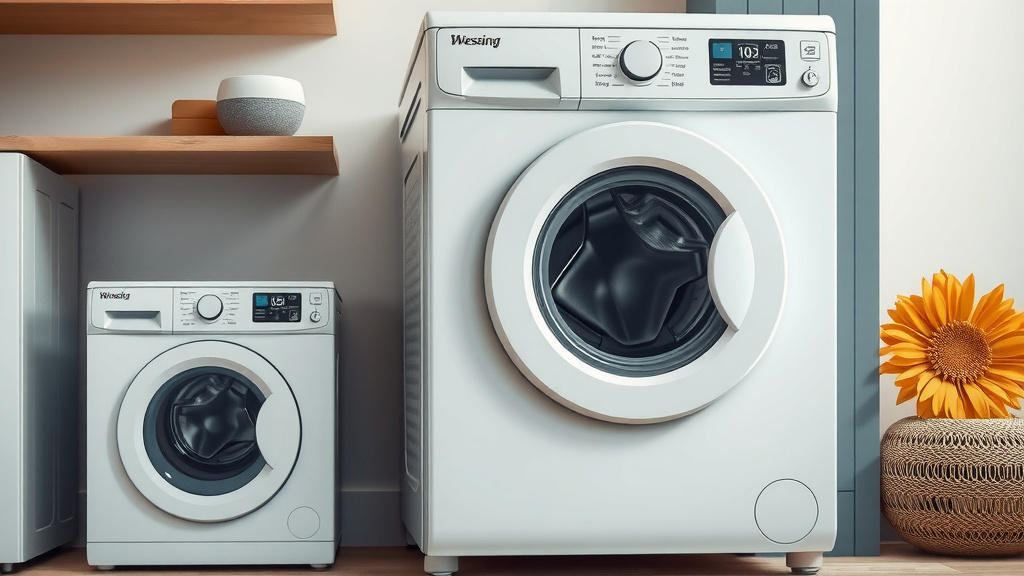
We found that most households do laundry about once a week. Think about your typical laundry piles. Do you have lots of bulky items like blankets or comforters? If so, a larger capacity is a good idea. A standard washing machine drum capacity ranges from about 3.0 to 5.5 cubic feet. Smaller families might do well with 3.0-4.0 cubic feet. Larger families or those with lots of bulky items should aim for 4.5 cubic feet or more. It’s better to have a little extra space than to feel cramped.
Efficiency Ratings: Saving Money and Earth
Understanding ENERGY STAR
Appliances with the ENERGY STAR label meet strict energy efficiency guidelines set by the U.S. Environmental Protection Agency. This means they use less energy and water than standard models. Many guidelines point to ENERGY STAR certified washers as a smart choice for saving money and reducing your environmental impact (ENERGY STAR). You’ll likely see a yellow ENERGY STAR tag on eligible models. This is a good indicator of efficiency.
Water Factor and Energy Factor
When looking at efficiency, you might see two numbers: the Water Factor (WF) and Energy Factor (EF). The Water Factor tells you how many gallons of water the washer uses per cubic foot of capacity per cycle. A lower WF means it’s more water-efficient. The Energy Factor tells you how much energy the washer uses per cubic foot of capacity per cycle. Again, a higher EF means it’s more energy-efficient. While these can be helpful, the ENERGY STAR label is often the easiest way to identify efficient models.
Budgeting for Your New Washer
Upfront Costs vs. Long-Term Savings
Washing machines vary widely in price. Basic top-loaders can start around $400-$500. More advanced models, especially front-loaders with smart features, can go up to $1,500 or more. Remember to consider the long-term savings from energy and water efficiency. A more expensive front-loader might cost less to run each month. Over the life of the machine, it could actually save you money. Think about your budget for the machine itself and potential installation costs.
What About Installation and Old Appliances?
Installation costs can add up. Some retailers include basic installation with purchase. Others charge extra for hookups, especially if you need new hoses or venting. If you’re replacing an old washer, think about what you’ll do with the old one. Many retailers offer haul-away services for a fee. Some local recycling centers also accept old appliances. Factor these potential costs into your overall budget.
Essential Features to Consider
Cycle Options for Every Need
Beyond the standard wash and rinse, look for cycles that match your lifestyle. Do you frequently wash delicate items? A delicates cycle is key. Need to freshen up clothes quickly? A quick wash or speed wash cycle is useful. For heavily soiled items, a heavy-duty cycle might be necessary. We found that cycles like Steam, Sanitize, and Allergen are becoming increasingly popular. These can help kill bacteria or remove stubborn allergens. Think about the types of laundry you do most often.
Noise Levels and Vibration
If your laundry area is near living spaces, noise can be a big concern. Many newer washing machines are designed to be quieter. Look for terms like “quiet operation” or “vibration reduction technology.” Some high-end models even have special suspension systems. Check reviews from other users to get a sense of how noisy a machine truly is. Minimizing vibration is also important, especially if your washer is on an upper floor.
Your Washing Machine Checklist
To help you finalize your choice, here’s a quick checklist:
- Does the capacity fit your household size?
- Is it a top-load or front-load style you prefer?
- Does it have the special cycles you need?
- Are its energy efficiency ratings satisfactory?
- Does it fit comfortably within your budget?
- Are there any notable concerns about noise?
Conclusion
You’ve learned how to navigate the washing machine market. Matching your household size and laundry habits to the right type and capacity is key. Don’t forget to consider energy efficiency for long-term savings. By balancing upfront costs with running expenses and desired features, you can find a machine that truly suits your needs. Your next step is to use this knowledge to compare models. Visit a store or browse online with your checklist in hand to make your final selection.
Frequently Asked Questions
How often should I replace my washing machine?
Most washing machines last between 10 to 15 years with proper care. If your current machine is older than this, experiencing frequent breakdowns, or becoming much less efficient, it might be time to consider an upgrade. Look for signs like unusual noises or leaks.
Are high-efficiency (HE) washers worth the extra cost?
Yes, HE washers generally are worth it. They use significantly less water and energy, which translates to lower utility bills over the life of the machine. Many also clean clothes more effectively and gently, potentially extending the lifespan of your garments.
What is the difference between a washer with an agitator and one with an impeller?
Agitator washers have a central post that twists clothes, which can be harsher on fabrics but is effective for heavy soils. Impeller washers use a low-profile cone or disc that tumbles clothes, making them gentler and more water-efficient. We found that impeller models are more common in high-efficiency machines.
Can I install a washing machine myself?
Basic installation might be possible if you’re comfortable with plumbing and electrical connections. However, many people opt for professional installation to ensure it’s done correctly and safely. This also helps avoid potential water damage or operational issues. It’s often a service offered by retailers.
What does “smart” mean for a washing machine?
Smart washing machines connect to your home Wi-Fi. This allows you to control cycles remotely via a smartphone app. You can often receive notifications when a cycle is done, diagnose issues, or even download new wash cycles. Think about if these connected features fit your lifestyle.