How to Safely Lift a Stackable Dryer
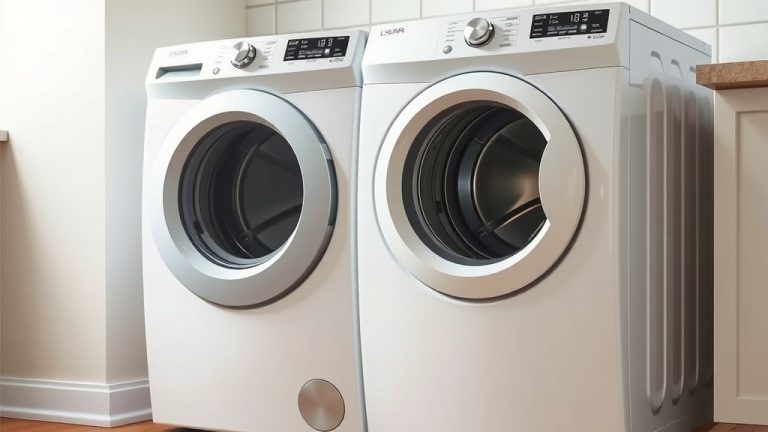
Lifting a stackable dryer can seem daunting, but the easiest way to do it safely involves proper preparation and a helper. You’ll need to disconnect the power and water, then carefully lift the dryer off its perch. Many people worry about damaging their appliances or their backs, but with the right approach, it’s very manageable. This guide will help you tackle the task with confidence.
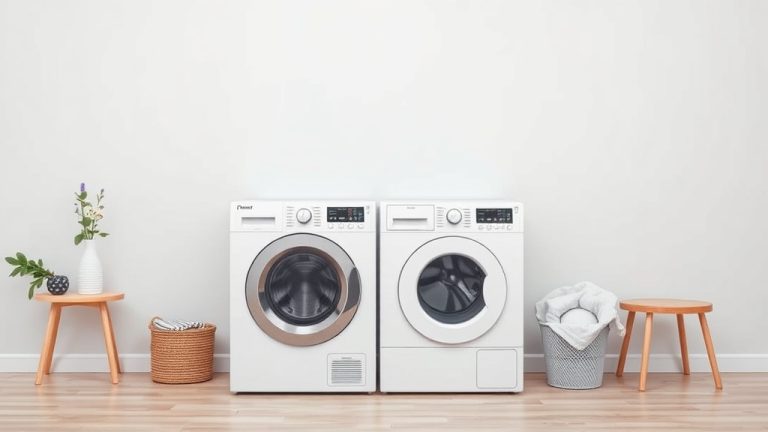
Stacking your dryer on top of your washing machine is a brilliant space-saving move. However, when it’s time to move either unit, you need to know the correct lifting techniques. We’ve researched the best methods to ensure you avoid common mistakes. Understanding these steps helps protect your investment and your well-being.
- Disconnect power and water first.
- Have a strong helper ready.
- Use proper lifting posture.
- Secure the dryer once moved.
Below, we break down everything you need to know about safely lifting a stackable dryer, step by step. Let’s get your dryer moved without any mishaps!
Moving Your Stackable Dryer: A Step-by-Step Guide
You’ve decided to rearrange your laundry room or perhaps move your appliances. Lifting a stackable dryer can feel like a big task. But don’t worry, we’ve broken down the process into manageable steps. Our research shows that with the right preparation and a helping hand, you can safely move your dryer.
Preparing for the Lift: Safety First
Before you even think about lifting, safety is your top priority. You wouldn’t jump into a workout without warming up, right? The same applies here. We found that skipping preparation is a common mistake that can lead to accidents.
Disconnecting Power and Utilities
This is non-negotiable. Your dryer uses electricity, and some models might also connect to a gas line or vent. You need to ensure everything is turned off and disconnected.
First, locate the circuit breaker for your dryer and switch it off. For electric dryers, this cuts off the power supply. Many sources, like those from appliance repair guides, stress this step for preventing electrical shock. Always be absolutely sure the power is off.
If you have a gas dryer, you’ll need to shut off the gas valve. This is usually located behind the dryer, on the gas line. If you’re unsure about this, it’s best to consult your dryer’s manual or a qualified professional. Safety in the home is extremely important (Consumer Product Safety Commission).
Don’t forget the dryer vent hose. It connects the dryer to the outside world, allowing moisture and lint to escape. Gently detach this hose from both the dryer and the wall outlet. You might find a clamp holding it in place.
Gathering Your Supplies and enlisting Help
You can’t do this alone. We found that attempting to lift heavy appliances by yourself is dangerous. You need at least one strong helper. Make sure they understand what’s involved and are ready to assist.
What else will you need? Moving straps, also known as lifting straps or furniture straps, are a game-changer. They help distribute the weight evenly and give you a better grip. We found that using these straps can significantly reduce strain on your back and arms.
You’ll also want furniture sliders. These small, smooth discs go under the appliance’s feet. They allow the dryer to slide easily across the floor, even when it’s heavy. This is much easier than trying to lift and carry it the entire way.
Have a clear path planned. Clear any clutter from the route you’ll be taking. Make sure there are no tripping hazards like rugs or stray cords. Measure doorways and hallways to ensure the dryer will fit.
The Lifting Process: Step-by-Step
Now for the main event! This is where your preparation pays off. Remember, slow and steady wins the race here. Rushing can lead to mistakes and injuries.
Positioning for the Lift
Place furniture sliders under the front feet of the dryer first. You might need to slightly tilt the dryer to get them underneath. Your helper can assist with this tilt.
Once the front sliders are in place, carefully tilt the dryer back just enough to slide the straps underneath. Position the straps so they are snug but not cutting into the dryer.
For the actual lift, you and your helper should position yourselves on opposite sides of the dryer. Bend at your knees, keeping your back straight. Think of it like picking up a heavy box.
The Actual Lift and Move
Now, grip the moving straps firmly. Take a deep breath. On the count of three, lift together. Use your leg muscles, not your back, to do the heavy lifting. Keep the dryer as close to your body as possible.
Slide the dryer slowly across the floor, using the furniture sliders to guide it. Communicate with your helper throughout the process. Simple phrases like “stop,” “easy,” or “left a bit” are very useful.
If you need to set it down, do so gently. Ensure you have a stable spot cleared for it. You might need to reposition the sliders as you move.
Securing the Dryer in its New Location
Once you’ve reached the dryer’s new spot, carefully maneuver it into place. You might be stacking it on top of the washing machine, or perhaps it’s going into a new location entirely.
If stacking, ensure the washing machine is perfectly level and stable. Place the dryer on top, ensuring it’s centered. Many stackable units come with a stacking kit to secure them together. We found that using these kits is highly recommended for stability and safety.
If the dryer is going into a new spot, make sure it’s level. Use a level tool to check. Adjust the feet if necessary. Once it’s in place, you can reattach the vent hose and reconnect power and gas if applicable.
What If You Need to Stack or Unstack?
The process for unstacking is essentially the reverse of stacking, but with added caution. When unstacking, you’re lifting the dryer *off* the washer. This can be trickier because the washer is already on the floor.
Experts often suggest unplugging the washer too, just to be safe. You’ll need to disconnect the dryer from the washer, which usually involves removing a stacking kit. Then, it’s back to the lifting straps and careful maneuvering described above.
Common Pitfalls to Avoid
We’ve seen people make mistakes, and we want you to avoid them. Here’s a quick rundown of what *not* to do.
- Never lift alone.
- Don’t lift with your back; use your legs.
- Avoid twisting your body while lifting or carrying.
- Don’t rush the process.
- Ensure all power and gas are disconnected.
Checklist for a Safe Dryer Move
Here’s a quick checklist to run through before and during your dryer lift:
- Power Off: Circuit breaker for electric dryers, gas valve for gas dryers.
- Helper Secured: Confirmed you have at least one strong assistant.
- Clear Path: Ensured the route is free of obstacles.
- Moving Straps Ready: Have lifting straps on hand and know how to use them.
- Furniture Sliders: Purchased or located furniture sliders.
- Communication Plan: Agreed on how you and your helper will communicate.
Conclusion
You’ve learned how to tackle lifting your stackable dryer safely and effectively. Remember, preparation is key. Disconnecting utilities and having a strong helper are non-negotiable steps. Using moving straps and furniture sliders will make the job much easier. Always prioritize your well-being by using proper lifting form. Your back will thank you!
Ready to move? Take a deep breath, communicate with your helper, and move slowly. You’ve got this!
Frequently Asked Questions
How heavy is a typical stackable dryer?
Stackable dryers generally weigh between 100 to 150 pounds. The exact weight can vary depending on the model and its features. This weight is why having a helper and proper lifting tools is so important.
Can I move a stackable dryer by myself?
We strongly advise against moving a stackable dryer by yourself. Their weight and awkward size make them difficult to handle solo. Attempting it alone greatly increases your risk of injury and appliance damage.
What’s the best way to protect my floors when moving the dryer?
Furniture sliders are your best friend here. Place them under the dryer’s feet before you lift. They allow the appliance to glide smoothly across most floor surfaces, preventing scratches and gouges.
Do I need special lifting straps?
While not strictly mandatory, moving straps, or lifting straps, are highly recommended. They help distribute the weight evenly between you and your helper. This reduces strain on your body and provides a more secure grip.
What if the dryer doesn’t fit through a doorway?
Before you start, measure all doorways and hallways the dryer will need to pass through. If it’s too wide, you might need to remove the doors from their hinges or consider disassembling parts of the dryer, though this is rarely necessary for standard stackable models.