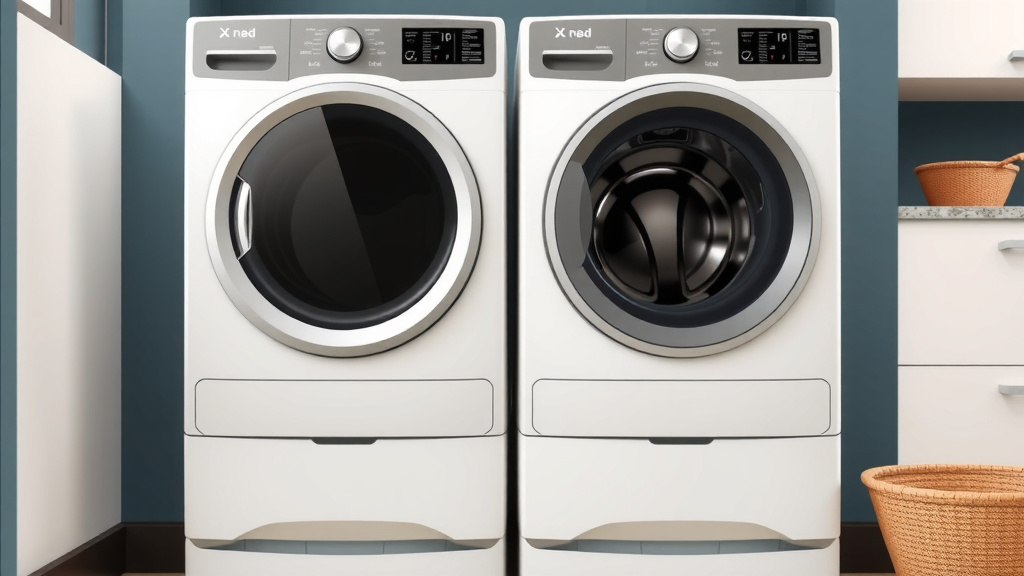
Master Your Stackable Washer and Dryer: A Quick Guide
Yes, using a stackable washer and dryer is quite straightforward. You’ll simply load your clothes into the washer, select your wash cycle, and then move the wet clothes to the dryer above to dry them. It’s a smart space-saving solution for smaller homes.
Many people wonder if stacking them changes the laundry process much. While the basic steps are the same, understanding the specific controls and maintenance for stacked units is key. We found that many common laundry mistakes can be avoided with a little knowledge.
- Load washer, select cycle, transfer to dryer.
- Ensure units are properly installed and leveled.
- Clean lint traps regularly for efficiency.
- Don’t overload either the washer or the dryer.
- Follow manufacturer guidelines for best results.
Let’s walk through exactly how to use your stacked washer and dryer step by step, ensuring your laundry day is as smooth as possible.
Getting Started with Your Stackable Washer and Dryer
So, you’ve got a stackable washer and dryer, ready to save you some precious space. That’s fantastic! But how do you actually get them working? Don’t worry, it’s much simpler than you might think. Think of it like having two appliances perfectly paired, one on top of the other, ready to tackle your laundry pile.
The core idea is to use the washer first, then move the clothes to the dryer. We’ve found that many users find the process intuitive once they understand the basic flow. Your goal is always to get clean, dry clothes with minimal fuss. Let’s break down how to do just that.
The Wash Cycle: Your Laundry’s First Step
Your stackable washer works just like a standard front-load washing machine. The key is to load it correctly and choose the right settings. We found that overloading is a common mistake, leading to less effective cleaning and potential damage. Aim to fill the drum about halfway or two-thirds full.
Loading Your Washer
Start by opening the washer door. Gently place your laundry inside. Don’t force items in; they should fit loosely. Mix different fabric types when possible, but be mindful of colors. Dark colors should generally be washed separately from whites or light colors. We found that separating by color and fabric type yields the best results.
Selecting the Right Wash Cycle
Now, it’s time to pick your settings. You’ll typically see options like:
- Normal/Cotton: Good for everyday fabrics like jeans, towels, and sheets.
- Delicates: For items like lingerie, silks, or anything that needs a gentle touch.
- Permanent Press: Designed for synthetic fabrics, offering a good balance of cleaning power and wrinkle prevention.
- Heavy Duty: For heavily soiled items that need extra cleaning.
- Quick Wash: For lightly soiled items you need in a hurry.
Adding Detergent and Fabric Softener
Most modern washers have specific dispensers for detergent and fabric softener. You’ll usually find these in a pull-out drawer. Add the recommended amount of detergent. Too much detergent can leave residue on your clothes and damage the machine. Fabric softener is optional and usually goes in a separate compartment, to be dispensed automatically during the rinse cycle.
Starting the Wash
Once everything is loaded and set, simply press the “Start” button. The machine will lock the door and begin filling with water. You’ll hear it working through its cycles. You can usually see the cycle time remaining on a digital display. We found that checking the manual for your specific model is the best way to understand its unique settings.
Transferring to the Dryer: The Next Logical Step
After the wash cycle is complete, the washer will signal it’s done, often with a beep or chime. Open the washer door and carefully remove your wet clothes. Don’t leave them sitting in the washer for too long, as this can lead to wrinkles and mildew. We found that prompt transfer is key to avoiding that “mildewy” smell.
Loading the Dryer
Open the dryer door, which is located above the washer. Take your wet laundry and place it into the dryer drum. Just like the washer, avoid overcrowding. Clothes need space to tumble freely for effective drying. We often see people stuffing the dryer too full, which really hinders its performance.
Understanding Dryer Settings
Your dryer will have its own set of controls. Common settings include:
- Automatic Dry Cycles: These use sensors to detect when clothes are dry and shut off automatically. Options might include “Normal,” “Delicates,” or “Permanent Press.”
- Timed Dry Cycles: You set a specific amount of time for the dryer to run. This is useful if you know exactly how long certain items take to dry.
- Air Fluff/No Heat: This setting tumbles clothes without heat, useful for refreshing items or reducing static.
Cleaning the Lint Filter: A Must-Do!
This is arguably the most important maintenance task. Before or after each load, **clean the lint filter**. It’s usually located inside the dryer door or on the front panel. Pull out the screen, peel off the lint, and replace the screen. A clogged lint filter is a fire hazard and drastically reduces drying efficiency. The U.S. Fire Administration reports that clothes dryers cause thousands of home fires each year, often due to lint buildup (U.S. Fire Administration). We cannot stress this enough: clean that lint trap!
Starting the Dryer
Once your clothes are in and the lint filter is clean, select your desired cycle and temperature. Then, press the “Start” button. The dryer will begin tumbling your clothes. Listen for the tumbling sound and check periodically if using a timed dry cycle to avoid over-drying.

Essential Maintenance for Longevity
Stackable units require a little extra care due to their vertical design. Regular maintenance ensures they run efficiently and last longer. We found that simple, consistent upkeep prevents most common issues.
Leveling Your Stackable Units
When your units were installed, they should have been leveled. If you notice excessive vibration or noise during operation, they might have shifted. Most stackable units have adjustable feet. You can carefully adjust these yourself or call a professional if you’re unsure. A properly leveled unit operates more smoothly and quietly. Experts say proper leveling is key to reducing wear and tear (Consumer Reports).
Periodic Cleaning of Vents
Beyond the lint trap, the dryer’s exhaust vent should be checked periodically. Lint can build up in the ductwork, creating a fire risk and reducing airflow. Many experts recommend cleaning these vents at least once a year, or more often if you notice longer drying times. We found that a professional vent cleaning service can be a worthwhile investment for peace of mind.
Wipe Down Exterior Surfaces
Don’t forget the outside! Wipe down the washer and dryer exteriors with a damp cloth occasionally. This keeps them looking good and prevents dust or detergent residue from building up. We like to do this after finishing a load, as part of our general tidying up.
Quick Checklist for Smooth Laundry Days
Here’s a quick rundown to keep your stackable laundry routine on track:
- Check pockets before washing.
- Sort clothes by color and fabric type.
- Don’t overload the washer or dryer.
- Clean the lint filter after every dryer load.
- Select the correct settings for your fabrics.
- Run an empty hot cycle with vinegar occasionally to clean the washer drum.
Conclusion
You’ve now learned the simple steps to using your stackable washer and dryer efficiently. Remember to sort your clothes, load them without overcrowding, and select the right settings for the best results. Keeping that lint filter clean after every dryer use is a non-negotiable step for safety and performance. You’re well on your way to mastering your space-saving laundry solution. Now, go ahead and tackle that laundry pile with confidence!
Frequently Asked Questions
Can I wash large bulky items in a stackable washer?
While stackable washers can handle standard loads, very large items like bulky comforters might be a tight squeeze. Overloading the washer can lead to poor cleaning and damage. It’s often best to wash large bedding items in a larger, standard machine if possible.
How often should I clean the dryer vent on a stackable unit?
You should clean the lint filter after every single use. For the actual dryer vent ductwork, a cleaning at least once a year is recommended. If you notice longer drying times, it’s a sign the vent might be clogged and needs attention sooner.
Is it okay to use regular detergent in a stackable washer?
Yes, you can use regular laundry detergent. However, stackable washers, like most modern front-loaders, work best with High-Efficiency (HE) detergents. Using too much non-HE detergent can create excessive suds, which may affect cleaning performance and potentially damage your machine.
What does it mean if my stackable washer is vibrating excessively?
Excessive vibration usually means the unit isn’t properly leveled. Check the adjustable feet at the base of the washer and dryer. You can try to adjust them yourself to stabilize the unit. If the problem persists or you’re uncomfortable adjusting them, consider calling a professional for assistance.
Can I use fabric softener with my stackable washer and dryer?
You can use fabric softener with your stackable washer, typically in a designated dispenser compartment. However, it’s generally not recommended to use fabric softener in the dryer. It can coat the lint filter, reducing its effectiveness, and can also make towels less absorbent.