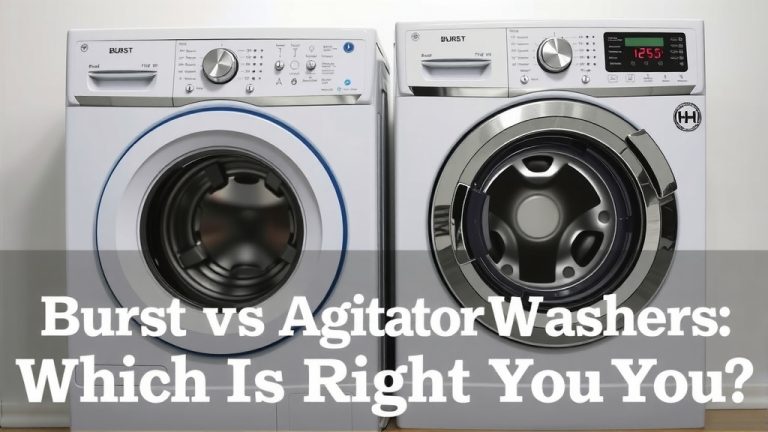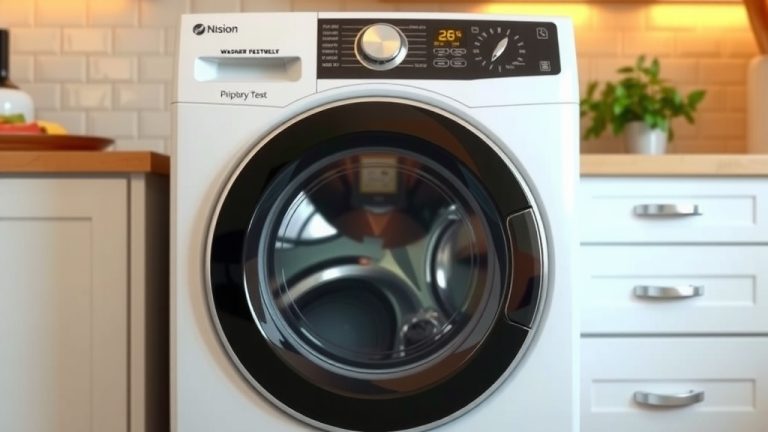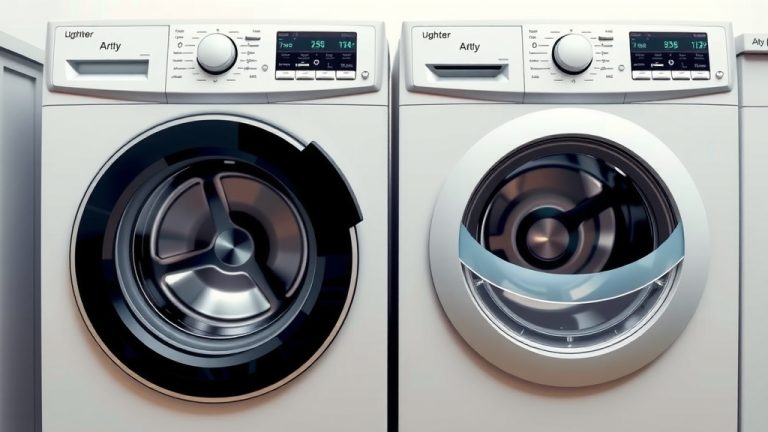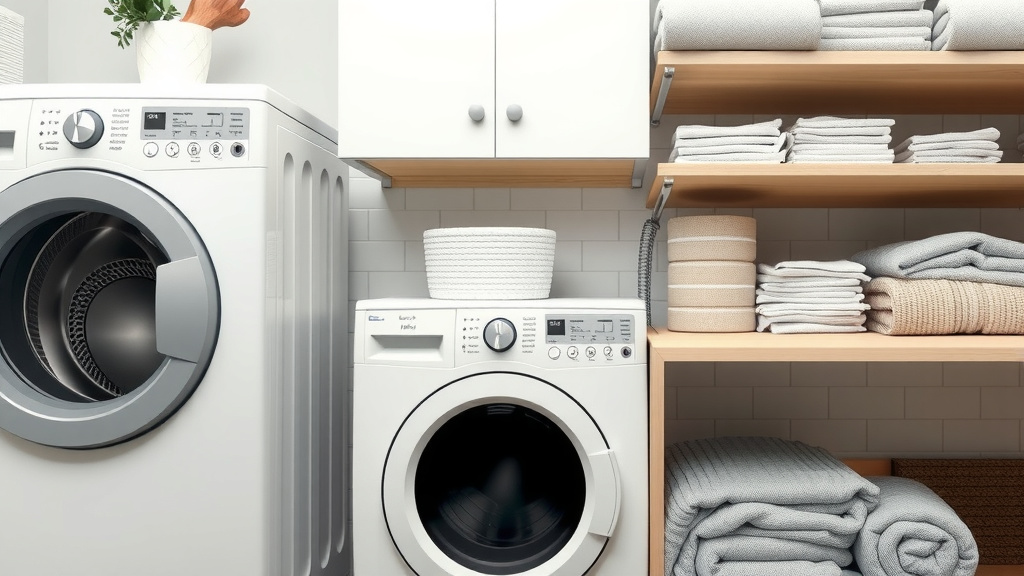
Why Front Load Washers Cost More Than Top Loaders
Front load washers often come with a higher price tag because they use Front load washers often come with a higher price tag, and our guide to washing machine cost explains why.advanced technology and more durable components. These machines generally offer better cleaning performance and are more energy-efficient. You’ll find they use less water and spin clothes faster, reducing drying time. This leads to long-term savings on your utility bills.
The reason for the higher upfront cost is tied to their innovative design and construction. They employ a tumbling action rather than an agitator. This gentler method is kinder to your clothes. Many also feature sophisticated control panels with more wash cycle options and smart capabilities. These elements contribute to the overall expense.
- Front loaders cost more due to advanced technology.
- They use less water and energy for long-term savings.
- A tumbling action is gentler on clothes than agitators.
- More wash options and smart features add to the price.
So, if you’re wondering why you might be shelling out a bit more for a front loader, let’s break down the specific reasons and what you’re really getting for your money.
Understanding the Higher Cost of Front Load Washers
You’ve probably noticed that front load washers often come with a bigger price tag than their top-loading counterparts. There are several good reasons for this difference. We found that it boils down to You’ve probably noticed that front load washers often come with a bigger price tag than their top-loading counterparts, and understanding washing machine price is key.superior engineering, more robust materials, and advanced features that ultimately provide a better washing experience and long-term value.
The Engineering Behind the Price Tag
The fundamental difference in how front load washers operate accounts for a large part of their cost. Instead of a central agitator, they use a tumbling action. This means the drum rotates, lifting clothes and dropping them back into the water. It’s a much gentler process. Many appliance experts point out this design is kinder to your fabrics, helping them last longer (Good Housekeeping Institute).
Advanced Motor Technology
Front loaders often employ direct-drive motors. These motors are quieter, more energy-efficient, and have fewer moving parts than traditional belt-driven motors. Fewer parts mean less wear and tear. This translates to increased durability and a longer lifespan for the appliance. You’re paying for technology that is built to last.
Higher Spin Speeds and Water Efficiency
One of the most attractive features of front load washers is their ability to spin clothes at much higher speeds. We found that this extracts more water from your laundry. Consequently, your clothes take less time to dry. This can lead to noticeable savings on your electricity or gas bill for your dryer. Additionally, their design allows them to use significantly less water per load. Research from the Department of Energy shows front loaders can use up to 70% less water than older top-loading models.
Construction and Durability Factors
When you’re looking at a front load washer, you’re often looking at a more solid build. We found that manufacturers invest in higher-quality materials to support the mechanics and the heavier drums. This contributes to their longevity and the machine’s overall stability during high-speed spins.
Robust Drum and Suspension Systems
The drums in front loaders are typically made from stainless steel, which is more durable and less prone to rust or chipping than plastic. The suspension systems are also more sophisticated. They need to handle the intense forces generated by faster spin cycles. This robust construction ensures the machine remains stable and vibration-free, even when packed full.
Seals and Gaskets: A Necessary Expense
The door seal, or gasket, on a front loader is critical. It needs to create a watertight barrier during the wash cycle. While essential for performance, these seals can be a point of wear over time. Manufacturers use high-quality rubber or silicone for these components. The engineering and material science involved in ensuring a reliable, long-lasting seal add to the overall cost.
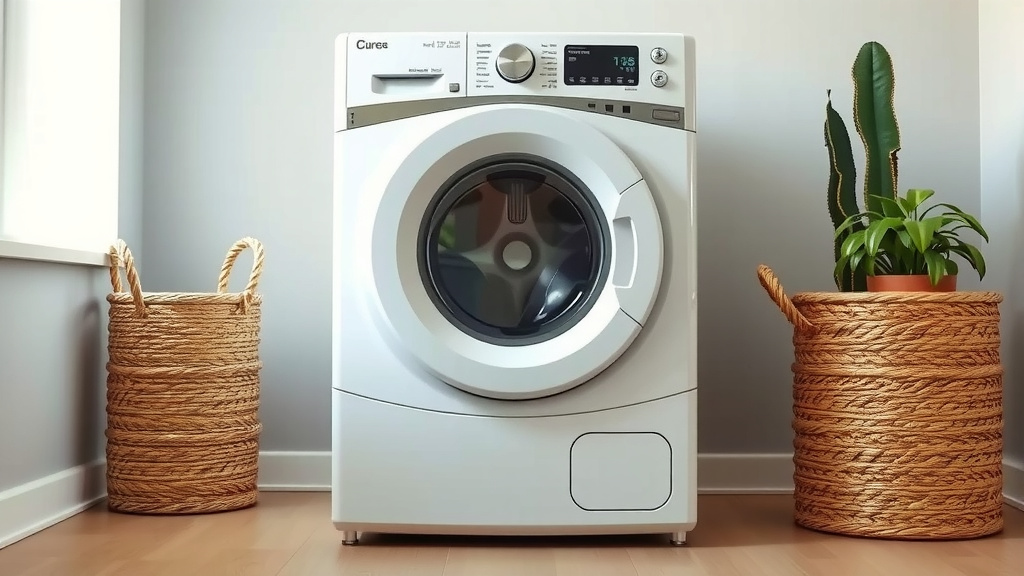
Sophisticated Features and Smart Technology
Beyond the core washing mechanics, front load washers are packed with features that enhance your laundry experience. These add to the manufacturing cost but offer significant benefits.
Numerous Wash Cycles and Customization
You’ll find a wider array of wash cycles on front loaders. These include specialized settings for delicates, heavy-duty items, sanitizing, steam cleaning, and more. This level of customization allows you to treat different fabrics with the precise care they need. We found that more advanced cycle programming requires more sophisticated electronic controls and sensors.
Smart Capabilities and Connectivity
Many newer front load washers come with smart technology. This allows you to control your washer remotely via a smartphone app. You can start, stop, or monitor cycles from anywhere. These features include diagnostic capabilities and notifications. The integration of Wi-Fi and complex software development adds to the initial purchase price.
Energy Efficiency Certifications
Front load washers often earn high marks for energy and water efficiency. Certifications like ENERGY STAR require manufacturers to meet stringent standards. Meeting these standards often means incorporating more advanced, and sometimes more expensive, components. You’re essentially paying for a machine that is designed to save you money on utilities over its lifetime.
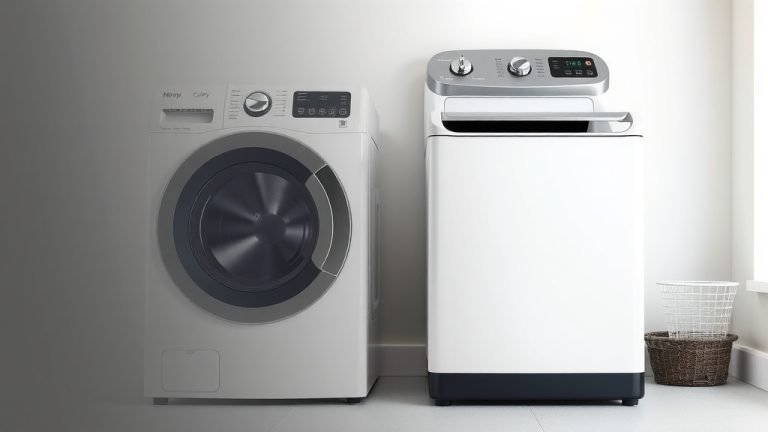
| Feature | Front Load Washer | Top Load Washer (Agitator) |
|---|---|---|
| Washing Action | Tumbling (Gentle on clothes) | Agitator (Can be rougher on fabrics) |
| Water Usage | Low | High |
| Energy Efficiency | High (often ENERGY STAR rated) | Moderate to Low |
| Spin Speed | High (Reduces drying time) | Lower |
| Typical Price Range | Higher | Lower |
What You’re Getting for Your Money
While the upfront cost is higher, consider what you gain with a front load washer. You’re investing in a machine that offers superior cleaning performance, is gentler on your clothes, and more efficient with resources. This translates to long-term savings and a better overall laundry experience.
Checklist for Your Front Load Washer Investment:
- Advanced Cleaning Technology: Experience better stain removal.
- Fabric Care: Your clothes will look newer for longer.
- Water Savings: Lower utility bills each month.
- Energy Efficiency: Reduce your environmental footprint.
- Faster Drying Times: Save time and energy on drying.
- Durability: Built with higher-quality components for a longer lifespan.
Conclusion
So, you’ve learned that front load washers command a higher price because of their advanced engineering and superior components. This investment pays off through better cleaning, gentler fabric care, and impressive water and energy savings. While the initial cost is more, the long-term benefits on your utility bills and the lifespan of your clothes make them a smart choice. Consider your laundry needs and budget, and research models that best fit your household’s routine to make your next washer purchase a truly worthwhile one.
Frequently Asked Questions
Are front load washers really worth the extra money?
Yes, many users find front load washers are worth the extra cost. You get better cleaning performance and they are gentler on your clothes. The significant savings on water and energy bills over time also contribute to their value.
Do front load washers clean better than top loaders?
Research and user experiences often suggest that front load washers offer superior cleaning. Their tumbling action can tackle tough stains more effectively. They also tend to be more efficient at removing dirt from fabrics.
How long do front load washers typically last?
Front load washers are generally built with more durable components and robust construction. With proper maintenance, they can last for 10-15 years or even longer. This is often more than the lifespan of many basic top-loading models.
Are front load washers more prone to mold and mildew?
Front load washers can be prone to mold and mildew if not maintained properly. You should leave the door ajar after use and wipe down the gasket regularly. Following these simple steps helps prevent odor buildup.
Can I add clothes to a front load washer mid-cycle?
Many modern front load washers have a “door lock” indicator and may not allow you to add clothes mid-cycle for safety reasons. However, some models include a small door or a pause function that lets you add forgotten items during the initial minutes of the wash.