Best Top Load Washer to Buy: Our Top Picks
Finding the best top load washer really depends on your needs. For most households, a high-efficiency model with multiple wash cycles offers a great balance of performance and water savings. You’ll want to look for a model that can handle your typical laundry load size. Consider models with quiet operation if your laundry area is near living spaces.
Top load washers are a popular choice for their ease of use and generally lower upfront cost compared to front loaders. We found that many models now offer smart features that can be controlled from your phone. Think about the capacity you need; larger families will benefit from bigger tubs. Don’t forget to check the energy efficiency ratings to save on utility bills.
- Look for high-efficiency (HE) top loaders for better water savings.
- Consider wash cycle options like delicate, heavy-duty, and quick wash.
- Capacity is key – match it to your household’s laundry volume.
- Smart features can offer convenience but may increase cost.
- Energy Star ratings help reduce your utility bills.
Ready to find the perfect machine for your home? Let’s dive into what makes a top load washer a winner and what to look for when you’re shopping.
Choosing the Right Top Load Washer for Your Home
When you’re in the market for a new washing machine, a top load model often comes to mind. They’re known for being easy to load and unload. You don’t have to bend over as much, which is a big plus for many folks. Plus, they tend to be a bit more budget-friendly upfront. We’ve found that many of today’s top load washers offer impressive cleaning power and smart features.
Understanding Top Load Washer Types
You’ll generally find two main types of top load washers: traditional agitator models and high-efficiency (HE) impeller models. Each has its own set of pros and cons, and the best choice really hinges on your laundry habits and preferences.
Traditional Agitator Washers
These are the machines many of us grew up with. They have a central post, the agitator, that twists and turns your clothes. This vigorous action is great for getting out tough stains. They tend to use more water than HE models. We found they can be a bit harder on fabrics due to the intense motion.
High-Efficiency (HE) Impeller Washers
HE top loaders use a low-profile cone or disc at the bottom of the tub instead of a central agitator. This impeller spins and tumbles clothes, creating friction. They use much less water and energy. Many experts say this gentler washing action is better for your clothes’ lifespan (Consumer Reports). You might find that larger, bulkier items fit better in these machines.
Key Features to Consider
Beyond the basic type, there are several features that can make a big difference in your laundry day experience. Thinking about what matters most to you will help narrow down your choices.
Capacity: How Much Laundry Do You Do?
This is a critical factor. Washer capacity is measured in cubic feet. A smaller household of one or two might be fine with a capacity around 3.5 cubic feet. Families with children or those who do large loads will want something bigger, often 4.5 cubic feet or more. We’ve found that a machine that’s too small means more loads, while one that’s too big might waste water and energy on smaller loads.
Wash Cycles and Options
Think about the types of clothes you wash most often. Most top load washers come with standard cycles like Normal, Delicates, and Heavy Duty. However, many now offer specialized cycles. These can include things like a Quick Wash for when you’re in a hurry, a Sanitize cycle to kill germs, or an Allergen cycle for sensitive skin. We found that a good range of cycle options can really adapt the machine to your needs.
Specialized Cycles
For example, a ‘Bulky Items’ cycle is great for bedding and blankets. An ‘Odor Removal’ cycle can be a lifesaver for workout clothes. If you have kids, a ‘Stain’ cycle might be a feature you can’t live without.
Spin Speed: Getting Clothes Drier
The spin speed, measured in Revolutions Per Minute (RPM), determines how much water is extracted from your clothes at the end of the wash. A higher RPM means clothes come out drier. This can lead to shorter drying times, saving you energy and time. We found that models with spin speeds of 1,000 RPM or higher are generally quite effective.
Noise Level: Will It Disturb Your Peace?
If your laundry room is close to your living areas, noise is a big consideration. Many manufacturers now offer features to reduce vibration and sound. Look for terms like “quiet wash” or “vibration reduction technology.” We found that some HE models are naturally quieter than traditional agitator machines.
Energy and Water Efficiency
Look for the Energy Star certification. This means the washer meets strict energy efficiency guidelines set by the U.S. Environmental Protection Agency. These machines use less energy and water, which is good for your wallet and the planet. The government’s “How to Select a High-Efficiency Clothes Washer” guide notes that HE washers can save substantial amounts of water and energy over their lifetime.
Smart Features and Connectivity
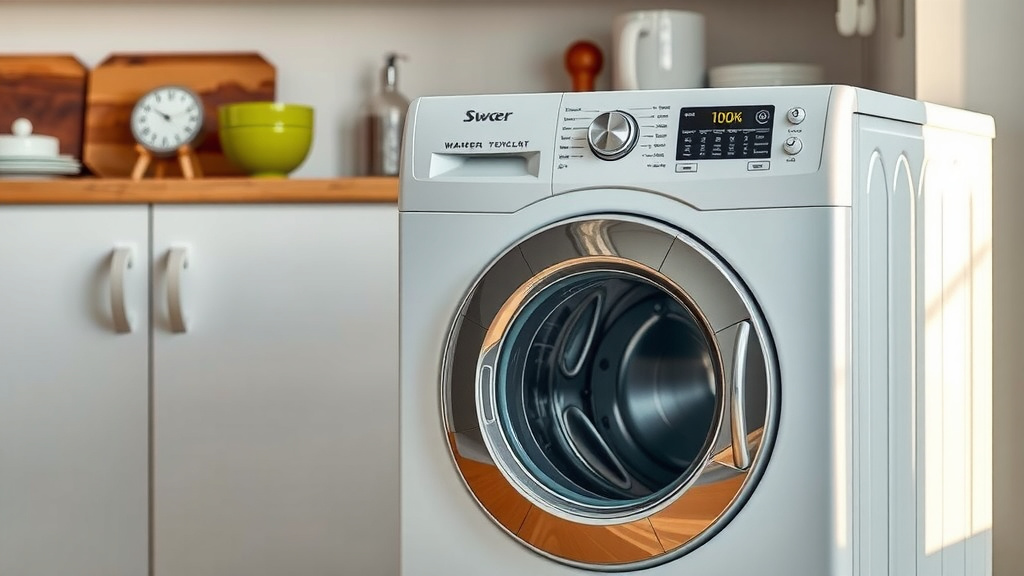
Some top load washers now come with Wi-Fi connectivity. This allows you to control and monitor your washer from your smartphone. You can start or pause cycles, get notifications when a load is done, and even download new wash cycles. While these features add convenience, they can also increase the price. We found that for some users, the ability to manage laundry remotely is a huge benefit.
Making Your Final Decision: A Quick Checklist
Choosing a washer can feel overwhelming, but breaking it down helps. Here’s a quick checklist to guide your decision:
- Determine the capacity you truly need based on your household size.
- Decide between a traditional agitator or an HE impeller model.
- Identify the specialized wash cycles that would be most useful for you.
- Consider the spin speed for faster drying times.
- Check for noise reduction features if your laundry area is near living spaces.
- Prioritize Energy Star certification for savings.
Conclusion
You’re now equipped to choose the best top load washer for your home. We’ve seen that deciding comes down to your specific needs, from capacity and cycle options to efficiency and noise. Prioritizing an Energy Star certified model means long-term savings. Think about whether a traditional agitator or an HE impeller best suits your laundry habits. Take a moment to review the checklist we provided. Your next step is to visit a retailer or browse online, keeping these key features in mind, to find the perfect fit for your laundry routine.
Frequently Asked Questions
Do I really need a high-efficiency (HE) washer?
Yes, we recommend an HE top load washer for most households. They use significantly less water and energy, which saves you money on utility bills over time. While they may take a little longer for some cycles, the water savings are substantial.
How do I know what capacity I need?
Consider your household size and how often you do laundry. For a small household (1-2 people), a capacity around 3.5 cubic feet is often sufficient. For larger families or if you frequently wash bulky items like comforters, look for 4.5 cubic feet or more. We found that matching capacity prevents extra loads or wasted resources.
Are agitator or impeller models better for my clothes?
Impeller models are generally gentler on fabrics than traditional agitator models. The impeller washes clothes by tumbling them, creating less friction and wear. If fabric care is a top priority, an HE impeller washer is likely your best bet.
Is a higher spin speed really important?
Yes, a higher spin speed (measured in RPM) is quite beneficial. It extracts more water from your clothes during the wash cycle. This means your clothes will spend less time in the dryer, saving you energy and time in the long run.
Are smart features worth the extra cost?
Smart features offer convenience, like remote monitoring and control via your smartphone. However, they do add to the overall cost of the washer. If you value being able to start a load from work or get cycle completion alerts, they might be worth it for you. If not, you can save money by opting for a model without these connected capabilities.