Upright vs Front Load Washer: Which Is Best in 2026
If you’re stuck between an upright vs front load washer, the honest answer is this: front load washers clean better and use less water, but upright washers are cheaper and easier to maintain. We found that your choice really comes down to your budget, your space, and how much effort you want to put into upkeep.
Both machines get your clothes clean, but they go about it in very different ways. Your laundry habits and home setup play a huge role in which one will actually make you happier. We’ve looked at the research and talked to appliance techs to give you a no-nonsense breakdown of what to expect from each type.
- Cleaning power: Front loaders win for deep cleaning and gentler treatment of fabrics.
- Water and energy use: Front loaders use significantly less water and energy per load.
- Upfront cost: Upright washers are almost always cheaper to buy.
- Maintenance: Upright washers are basically set-and-forget; front loaders need regular door and gasket care.
- Wash time: Upright washers finish faster, while front loaders take longer but use less energy.
Below, we break down all the key differences between upright and front load washers so you can pick the one that fits your life best. Let’s walk through what really matters when you’re standing in the appliance aisle.
Front Loading vs. Upright Washers: The Real-World Breakdown
We get it. You want clean clothes without a headache. That is the goal. Let’s cut through the marketing noise and look at how these machines actually behave in a normal American home. We found that the daily experience differs more than the spec sheets suggest.
Your choice affects your utility bill, your back, and even the smell of your laundry room. So, let’s get into the nitty-gritty of how each machine handles a typical week of dirty socks and towels.
Cleaning Performance and Fabric Care
This is the big one. Everyone wants to know which washer gets stains out better. The answer is a front loader, but the reason might surprise you. It is not about brute force. It is about physics.
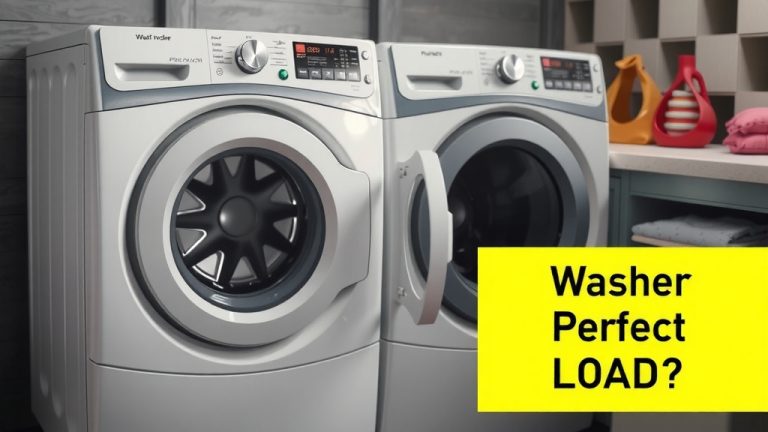
Front loaders use a tumbling action. The drum rotates horizontally, lifting clothes up and dropping them into a pool of water at the bottom. This mimics hand-washing more closely. It is a gentle but deep clean.
Upright washers (also called top loaders) use an agitator or impeller. The agitator spins clothes around a vertical pole. This creates more friction and rubbing. We found that this is tougher on stains but also tougher on fabric fibers.
Stain Removal: Which Machine Wins?
For heavy soil like mud or grass, an upright washer with an agitator is a beast. The aggressive rubbing action physically breaks apart dirt. Many people swear by this for work clothes and kids’ sports uniforms.
However, front loaders compensate with smarter wash cycles. They use more water pressure and precise temperature control. This helps enzymes in detergent work better. Many experts say that for everyday body oils and light stains, the front loader gets clothes cleaner with less effort.
Gentleness on Your Clothes
If you own delicate fabrics or expensive denim, pay attention here. The tumbling action of a front loader is far gentler. Your clothes don’t get stretched or pulled as much.
Agitators in upright washers can be rough. We found that they cause more pilling and wear over time. If you want your favorite graphic tees to last, a front loader is the safer bet for fabric longevity.
Water Efficiency and Utility Bills
Here is where the numbers get interesting. Water is heavy, and heating it costs money. The design of the machine dictates how much water you use per load. This is a major factor for your monthly expenses.
Front loaders use a fraction of the water. Since the drum lays on its side, you only need enough water to cover the clothes at the bottom of the spin cycle. It is a simple engineering win.
Upright washers need to completely submerge your clothes. That requires a full tub of water. Over a year, this adds up to thousands of gallons of extra water for a typical family.
Research from the Department of Energy supports this. Front-loading machines are consistently rated as the most water-efficient option available. This translates directly to lower water and heating bills for you.
Cost Comparison: Price and Long-Term Value
Let’s talk dollars and cents. Your wallet feels the difference at the store. But we found that the long-term picture is more balanced than you might think.
Upright washers are the budget-friendly champion. You can often buy a reliable top loader for hundreds of dollars less than a comparable front loader. If you are on a tight timeline or budget, this upfront saving is hard to ignore.
However, front loaders save you money every month on water and energy. Over a 10-year lifespan, these utility savings can make up the initial price difference. We found that the break-even point is usually around the 5-year mark for average households.
Potential Repair Costs
Nobody wants to think about breakdowns. But we have to. The internal parts matter for your future expenses.
Front loaders have more complex components. They have door locks, electronic control boards, and shock absorbers. If one of these fails, the repair bill can be higher.
Upright washers are simpler machines. The mechanical agitator systems are easier to fix. Many appliance repair techs we spoke to said top loaders fail less often and are cheaper to repair when they do break.
This is the trade-off. You pay less upfront with an upright, but you might face fewer repair headaches. A front loader costs more now but saves you monthly cash on utilities.
Maintenance and Mold Concerns
This is the dirty secret of the laundry world. The machine itself needs cleaning. We found that the design of the washer determines how much effort you must put in.
Front loaders are prone to mold and mildew. Because the rubber gasket around the door stays damp, it becomes a breeding ground for bacteria. You must wipe it down after every load and leave the door open to air out.
Upright washers are basically maintenance-free. The tub is open and allows moisture to escape naturally. You rarely have to worry about funky smells or moldy gaskets with a top loader.
The Smell Test
Have you ever opened your washer and gotten a musty smell? That is mildew. It is a common complaint with front loaders.
We found that the front loader requires a habit change. You need to wipe the door seal and leave the washer open when not in use. If you forget, the machine can start smelling and transfer that odor to your clothes.
Upright washers are much more forgiving here. They tend to dry out on their own. For busy families who don’t want another chore, this is a huge advantage.
Ergonomics and Physical Comfort
Laundry is physical work. Bending, reaching, and lifting. Your height and mobility play a huge role in which washer feels better. We found that this is often overlooked but crucial for everyday comfort.
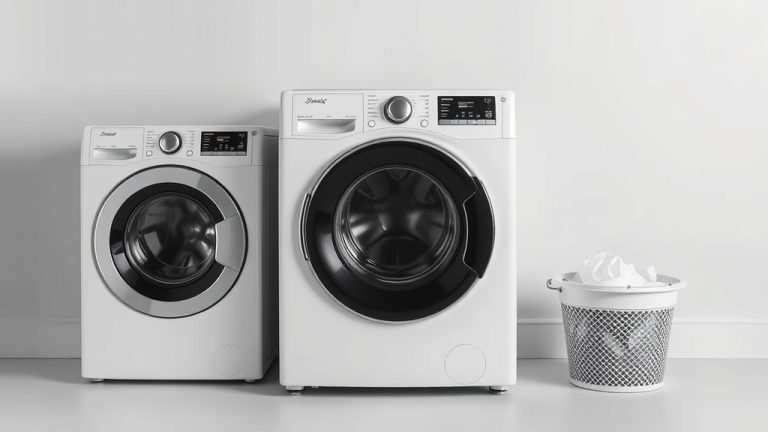
Front loaders sit lower to the ground. If you are tall, you will have to bend over to reach inside the drum. This can be tough on your back after a big comforter load.
Front loaders often come with raised pedestals. You can buy a drawer to lift the machine off the floor. This solves the bending problem but adds another $200 to $300 to your total cost.
Upright washers are on top. You can stand upright and toss clothes in without bending. This is much easier for people with back pain or knee issues. However, you do have to lean over to pull clothes out of the very bottom of the drum.
Reaching the Bottom of the Tub
Let’s be real about the bottom of the barrel. In an upright washer, the bottom is deep. If you drop a sock, you are reaching way down to get it.
Front loaders have a smaller diameter opening, but the depth is shallow. The back of the drum is right there. If you have short arms, the front loader is often easier to unload completely.
For tall users, a pedestal on a front loader is the golden ticket. It puts the door at waist height. This is the most ergonomic setup you can buy, but it costs extra.
Wash Time and Cycle Durations
Time is precious. You want to get the laundry done and move on with your day. The machines have very different flows in this regard.
Upright washers are the speed demons. A standard normal cycle is usually around 45 to 50 minutes. The wash action is fast, and the fill time is quick because it uses a lot of water.
Front loaders are marathon runners. Many standard cycles run from 80 to 120 minutes. The machine uses less water and spins slower to extract moisture, which takes longer.
This is a hard pill to swallow. You might save water and energy with a front loader, but you lose time. If you do multiple loads a day, waiting for that long cycle can be frustrating.
Which Style Fits Your Home Setup?
Space and access matter. You need to physically get the machine into your house. This is a practical check before you swipe your credit card.
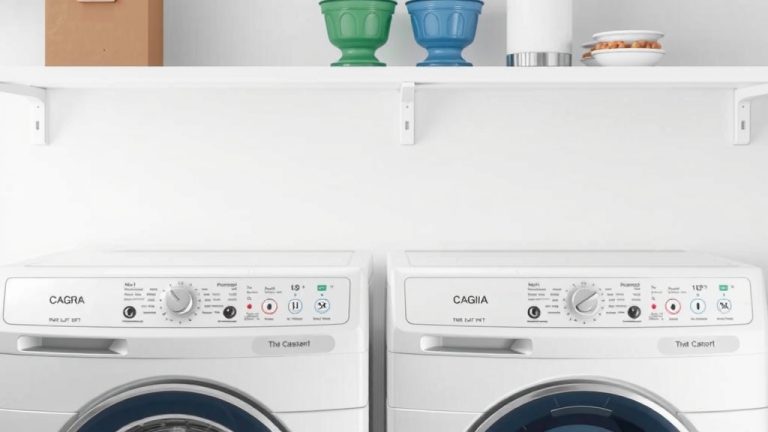
Front loaders are stackable. You can mount a dryer directly on top of them. This is a lifesaver for small apartments or laundry closets. You save a ton of floor space.
Upright washers require a dedicated space on top. You cannot stack anything above them. They work great in basements or garages with open space.
Also, check your doorways. Front loaders are easier to move because they are shorter. Upright washers are taller and might not fit under low counters or shelves.
The Final Space Check
Before you buy, measure your laundry area. We found that shopping for the perfect machine is useless if it doesn’t fit through the door.
Check the clearance for the door swing on a front loader. You need room to open the door fully. For an upright, the lid needs to flip up, so you need vertical clearance.
If you are replacing an existing machine, measure the exact space in the alcove. This prevents a costly return haul. A front loader can fix a narrow space, but it needs depth for the door.
Your Final Checklist Before Buying
We’ve thrown a lot of information at you. Here is a quick reality check to help you decide. Go through these points and see where you land.
- You hate cleaning appliances: Choose an upright. Less mold and maintenance.
- Your back hurts when you bend: Choose an upright. No bending to load.
- You want to save on bills every month: Choose a front loader. Less water and energy.
- You need a stackable setup: Choose a front loader. Best for small spaces.
- You wash heavy muddy gear often: Choose an upright. The agitator is stronger.
- You have a limited budget today: Choose an upright. Cheaper upfront price.
Take your time. Look at your laundry habits honestly. We found that the best machine is the one that fits your daily routine without causing extra stress.
We found that many couples disagree on this, so bring your partner. Have a conversation about who does the laundry most. That person’s comfort should be the priority. The right choice is the one you don’t have to think about every single day.
Conclusion
So, which washer is right for you? We found that front loaders are the best pick for most households because they clean better, use less water, and are gentler on your clothes. But that only works if you are willing to wipe the door seal and keep the machine aired out.
If you want a budget-friendly, low-maintenance machine that handles heavy soil well, an upright washer is your reliable sidekick. You trade some efficiency for simplicity and speed.
Your next step is simple. Measure your laundry space, check your budget, and be honest about who does the laundry. Pick the machine that fits your daily routine — not the one that looks best in the showroom.
Frequently Asked Questions
Can you put a front load washer on a pedestal?
Yes, you absolutely can. A pedestal raises the machine about 12 to 15 inches off the floor. This puts the door at waist level, which saves your back from constant bending.
Pedestals also give you a handy storage drawer for detergent and dryer sheets. Just know that they add a couple hundred dollars to your purchase.
Do front load washers spin clothes drier than upright washers?
Yes, they do. Front loaders spin at much higher RPMs, which extracts more water from your clothes. This cuts down your dryer time significantly.
That means you save money on electricity and your clothes spend less time tumbling in the heat. You will notice the difference when you pull a load out of the drum.
Is it hard to move a front load washer up stairs?
Moving either type is a two-person job, but front loaders are usually shorter and more compact. This makes them a bit easier to maneuver in tight stairwells and doorways.
Upright washers are taller, which can be awkward when navigating a turn at the top of the stairs. We recommend hiring movers or appliance delivery pros for either machine — your back will thank you.
What is the average lifespan of each type of washer?
You can expect both machines to last around 10 to 13 years with proper care. Front loaders have more complex parts, like door locks and control boards, which can fail sooner if you neglect maintenance.
Upright washers are simpler, so they often keep chugging along with fewer breakdowns. That said, how often you run cycles and how hard you treat the machine matters more than the label on the front.
Do you need special detergent for a front load washer?
Yes, you should use high-efficiency (HE) detergent in a front loader. This soap creates fewer suds, which is important because the machine uses very little water.
Regular detergent creates too many bubbles that can trap dirt and cause odors. Upright washers can also use HE detergent safely, but they handle regular soap fine too. Just check the label on your bottle before you pour.