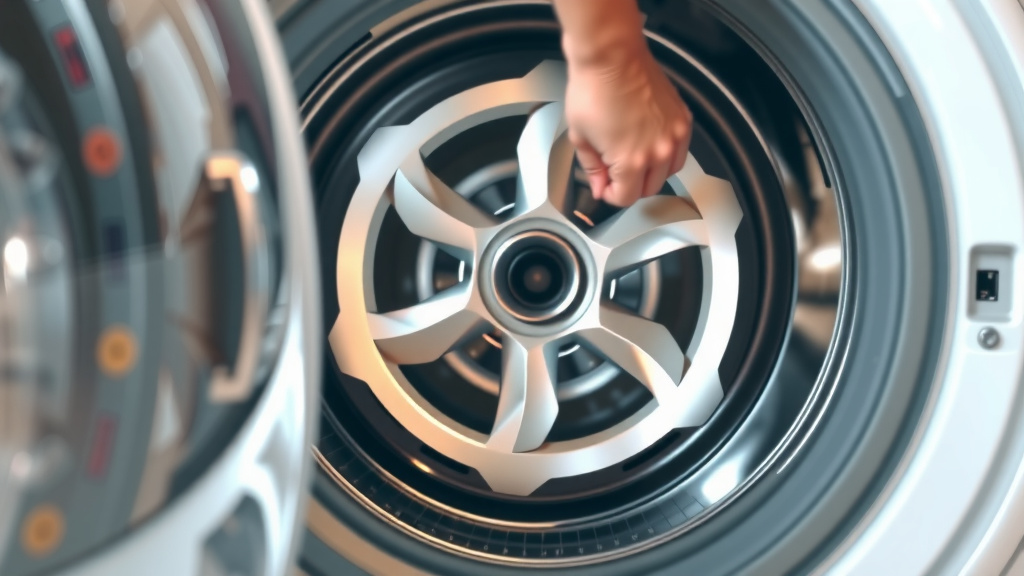
Impeller vs Agitator Washing Machine: What’s the Difference
When it comes to washing machines, you’ve likely heard about two main types: impellers and agitators. Both get your clothes clean, but they work quite differently. An agitator is the tall, central post you often see in older machines, while an impeller is a low-profile disc or cone at the bottom. We found that agitators tend to be gentler on clothes but may use more water, whereas impellers offer larger capacity and can be tougher on fabrics.
Understanding this difference is key to choosing the right machine for your needs. It impacts how your laundry gets cleaned, how much you can fit inside, and even how long your clothes last. We found that many modern machines now favor the impeller design, but agitators still have their place. Knowing the pros and cons helps you make an informed decision for your household’s laundry routine.
- Agitators are tall posts; impellers are low discs.
- Agitators are generally gentler on clothes.
- Impellers offer larger drum capacity.
- Impeller designs are common in newer machines.
Let’s dive deeper into how each washing mechanism works and what that means for your laundry day.
Understanding Your Washing Machine’s Cleaning Action
When your washing machine gets to work, it’s not just tumbling clothes around. There’s a specific mechanism inside driving the cleaning process. We found that the two main ways this happens are with an agitator or an impeller. Each has its own way of scrubbing your fabrics and, believe it or not, can affect how long your favorite shirt lasts.
You might be wondering which one is better for your laundry needs. We’ve looked into how these systems differ, and the good news is, understanding them isn’t complicated. Let’s break down how they work and what that means for your laundry routine. We’ve found that the main difference comes down to how much space you need and how rough you want the wash to be on your clothes.
The Agitator: A Traditional Approach to Clean
Think of the classic washing machine you might have seen at your grandparents’ house. Chances are, it had an agitator. This is that tall, finned post you see right in the middle of the drum. Its job is to move back and forth, twisting and turning your clothes.
How an Agitator Cleans Your Clothes
The agitator’s primary role is to create friction. It twists and turns, pushing clothes against each other and the sides of the tub. This vigorous action helps to loosen dirt and stains. We found that this can be very effective for heavily soiled items.
Water is also essential. The agitator needs a lot of it to work correctly. It submerges the clothes, allowing the friction and the detergent to work through the fabric. This traditional method is known for getting clothes really clean.
Pros and Cons of Agitator Washers
One of the biggest advantages of agitators is that they are generally gentler on fabrics, despite the vigorous motion. We found that the clothes move around each other more than they are directly scrubbed. This can help extend the life of your garments.
However, agitator machines often use more water. They need to fill the drum almost completely for the agitator to function properly. This can mean higher water bills and a bigger environmental footprint. We also found that the central post takes up space, limiting the capacity of the wash drum.
- Pros: Effective cleaning, often gentler on clothes.
- Cons: Uses more water, smaller drum capacity, can be noisy.
The Impeller: A Modern Design for Efficiency
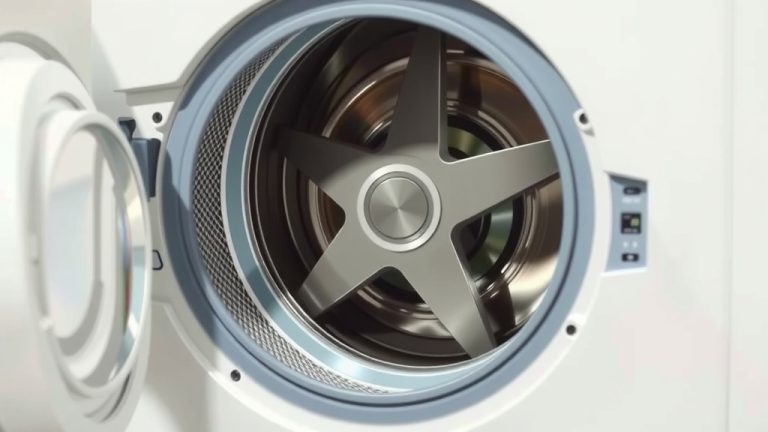
Now, let’s look at the impeller. This is the mechanism you’ll find in most newer washing machines. Instead of a tall post, it’s usually a low-profile disc or cone at the bottom of the drum. It doesn’t have fins like an agitator.
How an Impeller Cleans Your Clothes
Impellers work differently. They spin, creating currents and turbulence within the water. This action causes clothes to rub against each other and the sides of the drum. We found that this method relies more on water flow and less on direct physical scrubbing.
Impeller machines often use less water. They don’t need to completely submerge all the clothes to function. This is a big reason why they are becoming so popular. We found that this water efficiency can lead to noticeable savings over time.
Pros and Cons of Impeller Washers
The main benefit of an impeller system is the increased drum capacity. Since there’s no central post, the entire drum is available for your laundry. This means you can wash larger loads, or bulkier items like comforters, more easily. We found this to be a significant advantage for families.
On the flip side, impellers can sometimes be tougher on clothes. The tumbling action and the friction against the drum can cause more wear and tear. We found that delicate items might need extra care or a gentler cycle when using an impeller machine. Some also report that while they use less water, they might not clean the absolute heaviest stains as effectively as a strong agitator wash.
- Pros: Larger capacity, uses less water, more energy-efficient.
- Cons: Can be rougher on clothes, may not clean very heavy stains as well.
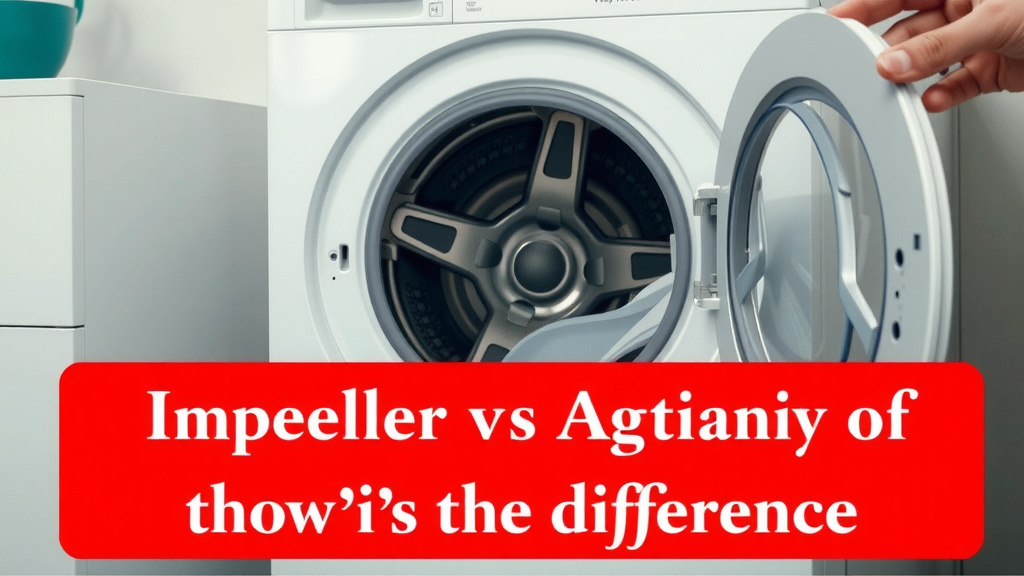
Agitator vs. Impeller: A Direct Comparison
To help you visualize the differences, let’s put them side-by-side. We’ve gathered the key points from our research.
| Feature | Agitator Washer | Impeller Washer |
|---|---|---|
| Mechanism | Tall post in the center with fins | Low-profile disc or cone at the bottom |
| Cleaning Action | Twists clothes, creates friction between garments | Spins, creates water currents and turbulence |
| Water Usage | Higher | Lower |
| Drum Capacity | Smaller (post takes up space) | Larger (full drum space available) |
| Gentleness on Clothes | Generally gentler | Can be rougher |
| Typical Age of Machine | Older models | Newer models |
Which Washing Mechanism is Right for You?
Deciding between an agitator and an impeller comes down to your personal priorities. Are you concerned about getting the absolute cleanest results for heavily soiled items, or is maximizing space for large families the main goal?
Consider an Agitator If:
You tend to wash a lot of heavily soiled items, like work clothes or sports uniforms. You also prioritize keeping your clothes in good condition for as long as possible. If water usage isn’t a major concern, an agitator might be your choice. Many experts suggest that if you have older, more delicate clothing, an agitator can be a safe bet.
Consider an Impeller If:
You need to wash larger loads or bulky items frequently. You’re looking for a more water-efficient and potentially energy-efficient machine. If you have a busy household and want to get more laundry done in fewer loads, an impeller is a strong contender. We found that most modern households find the capacity and efficiency of impellers very appealing.
What to Look For on Laundry Day
No matter which type of washer you have, here are a few tips we found helpful for getting the best results:
- Always check your garment care labels.
- Don’t overload the machine, even with an impeller.
- Use the right amount of detergent for your load size.
- Pre-treat tough stains before washing.
- Sort your laundry by color and fabric type.
- Consider using a delicate cycle for sensitive items.
Conclusion
Choosing between an impeller and an agitator ultimately depends on what matters most to your household. We’ve found that agitators excel at thorough cleaning and can be gentler on fabrics, making them great for delicate items or heavily soiled clothes. Impellers, on the other hand, offer impressive capacity and water efficiency, perfect for busy families or large loads. Consider your typical laundry needs and priorities. To make the best choice, think about the types of clothes you wash most often and how much laundry you do. Your decision will help you get cleaner clothes with less hassle.
Frequently Asked Questions
Can an impeller truly get clothes as clean as an agitator?
We’ve researched this, and generally, agitators can be more aggressive on tough stains due to their direct scrubbing action. Impellers rely more on water turbulence and fabric-to-fabric friction, which is highly effective but might require pre-treating very stubborn spots. For most everyday dirt and grime, both mechanisms do a great job.
Will an impeller washer damage my delicate clothing?
While impellers can be tougher on clothes due to the tumbling action, most modern impeller washers come with specialized delicate cycles. We found that using these gentler settings, along with proper sorting, can significantly reduce wear and tear on your delicate items. Always check the garment’s care label.
Are agitator washers less energy-efficient?
Our findings indicate that agitator washers typically use more water, which can indirectly lead to higher energy consumption if your water heater is electric. Impeller washers are often designed with water efficiency in mind, which generally translates to better energy efficiency overall, especially for the water heating component.
Can I wash bulky items like duvets in both types of machines?
You can wash bulky items in both, but impeller machines generally offer a distinct advantage. Because they don’t have a central post taking up space, their drums offer larger capacities, making it much easier to fit and properly wash items like comforters or sleeping bags without overcrowding.
Which type of washer is better for large families?
For large families, we found that impeller washers are often the preferred choice. Their larger capacity means you can wash more clothes in fewer loads, saving you time and effort throughout the week. The water efficiency of impellers can also be a significant benefit when dealing with higher laundry volumes.