What Is a Portable Washer Dryer: Your Laundry Solution
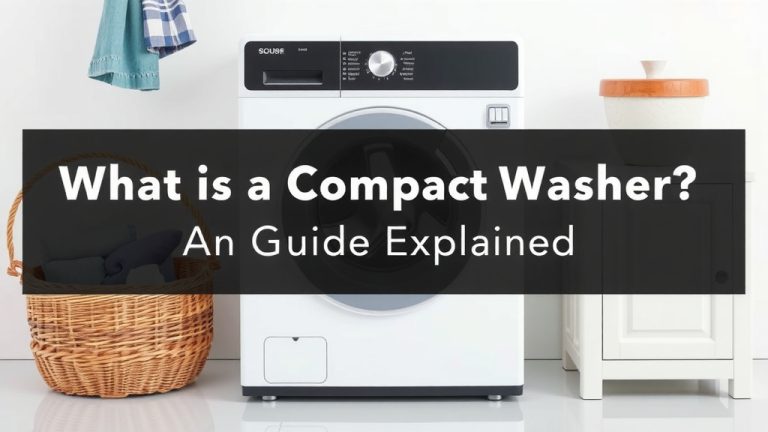
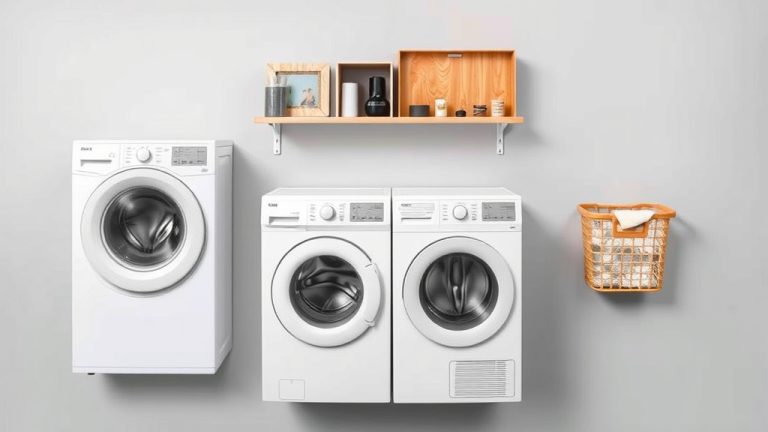
A portable washer and dryer is a compact, self-contained appliance designed for small living spaces. It washes and dries clothes using less water and energy than traditional machines. These units are perfect for apartments, RVs, or homes without hookups for full-sized laundry appliances. They offer a convenient solution for doing laundry where space is limited.
Unlike traditional, bulky laundry machines, portable units are often lightweight and easy to move. Many models simply connect to a standard sink faucet for water and drain into a basin or sink. This makes them incredibly versatile. You can set them up in a kitchen, bathroom, or even a closet when not in use. Many people find them a great space-saving option.
- It’s a compact laundry machine.
- It washes and dries clothes.
- It’s ideal for small living spaces.
- It connects easily to a sink.
- It’s a great alternative to laundromats.
Ready to see if a portable washer and dryer is right for your home? Let’s break down what these handy appliances are all about and how they work.
Understanding Portable Laundry Machines
So, what exactly is a portable washer and dryer? Think of it as your personal, mini laundromat that fits right into your home. It’s a compact appliance designed to wash and dry clothes, much like its full-sized counterparts. But here’s the magic: it’s built for people who don’t have the space or hookups for traditional machines. Many models are lightweight, making them easy to move around. You can tuck them away when you’re not using them, which is a lifesaver in smaller homes.
How Do They Work Without Hookups?
This is where things get really interesting and super convenient. Most portable washers don’t require permanent plumbing. Instead, they have a hose that you can easily connect to your kitchen or bathroom faucet. For draining, the dirty water typically goes into a separate hose that you can place in a sink or a bucket. It’s a clever setup that means you don’t need special hookups, just a water source and a place for the water to go.
This faucet-connection method is a big reason why they’re so popular. It allows you to do laundry in places like apartments, dorm rooms, or even RVs where traditional laundry hookups aren’t available. You’re basically bringing the laundromat to you, without all the hassle of coins or travel.
Water Supply Explained
The water inlet hose usually has an adapter that fits standard faucets. You simply screw it on, turn on the water, and the machine fills up. It’s designed to be quick and easy to set up. No need for a plumber or any special tools.
The Drainage Process
After the wash or rinse cycle, the machine pumps the wastewater out through a drain hose. You guide this hose into your sink or a large basin. Some people even connect it to a floor drain if one is available. It’s a simple system that works effectively for small loads. You’ll want to make sure the sink or basin is large enough to hold the water.
Types of Portable Laundry Appliances
When you’re looking at portable laundry, you’ll find a few main categories. This helps you pick the one that best suits your needs and space.
Portable Washers Only
These are the most common. They focus solely on washing your clothes. You’ll wash your clothes, then hang them up to dry or use a separate drying method. They are generally the most compact and affordable option. They often come with a small spin cycle to remove excess water, making drying a bit quicker.
Portable Washer/Dryer Combos
These units do it all! They wash your clothes and then dry them in the same drum. This is the ultimate convenience for small spaces. They tend to be a bit larger and more expensive than washer-only units. The drying function might be different from a traditional dryer, often using condensation or venting. Make sure to check the specific drying method for the model you’re considering.
Two-Tub Units
You might also see what are called two-tub units. These have one tub for washing and a separate smaller tub for spinning clothes dry. They are typically very basic and manual. You move the clothes from the wash tub to the spin tub yourself. They are often very lightweight and inexpensive, but require more effort on your part.
Who Can Benefit From a Portable Washer and Dryer?
These handy machines aren’t just for a niche group; they solve laundry problems for many people. If you’re nodding along to any of these scenarios, a portable unit might be your new best friend.
Apartment Dwellers and Renters
Living in an apartment often means limited space and restrictions on installing permanent appliances. A portable washer and dryer offers a fantastic solution. You can do laundry on your own schedule without needing landlord approval or worrying about hookups. It’s a great way to have laundry convenience without compromising your lease.
RV Owners and Campers
For those who love to travel or live the RV lifestyle, a portable laundry machine is a game-changer. Imagine not having to stop at laundromats every few days! You can wash and dry your clothes right in your RV. They are designed to be compact and often use less water, which is great when you’re on the go.
Those Without Laundry Hookups
Maybe you own a home but it was built without the necessary plumbing for a washer and dryer. Or perhaps your laundry area is too small. A portable unit bypasses these issues entirely. You can set it up in a kitchen, a spare bathroom, or even a large closet. It’s about bringing laundry into your living space where it’s most convenient for you.
Students in Dorm Rooms
Dorm life can be cramped, and constantly trekking to a communal laundry room is a chore. A portable washer and dryer (if allowed by your dorm!) can save students a lot of time and hassle. It means more time for studying or socializing and less time waiting for machines.
Individuals Seeking Space-Saving Solutions
Even if you have the space and hookups, you might simply prefer a more compact appliance. Portable units often have a smaller footprint. Plus, many can be stored away when not in use, freeing up valuable floor space. This is perfect for anyone looking to maximize their living area.
Key Features to Consider
When you’re shopping for a portable washer and dryer, there are a few things to keep an eye on. These features can make a big difference in your laundry experience.
- Capacity: How much laundry can it handle per load? Portable units are smaller, so expect to do more frequent, smaller loads.
- Size and Weight: Measure your space carefully. Also, consider if you’ll need to move it often.
- Noise Level: Some are quieter than others. Check reviews if noise is a concern for you.
- Drying Method: If it’s a combo unit, understand how it dries. Vented models require an exhaust hose; ventless models use condensation and might take longer.
- Energy and Water Usage: Portable units are often designed to be efficient, but compare models to see which uses less.
- Ease of Use: Look for simple controls and easy hookup/drainage systems.
Making the Switch: What to Expect
Transitioning to a portable washer and dryer is generally straightforward. You’ll find that most models are quite intuitive. The biggest change will be the load size. You won’t be washing your entire week’s worth of clothes in one go. Instead, you’ll likely do several smaller loads.
This can actually be a good thing! Doing smaller loads more frequently can prevent clothes from sitting wet and getting musty. It also means your laundry might be done faster overall, as you’re not waiting for a huge load to finish. Many users report that they actually get more laundry done because it’s so accessible.
You’ll also need to consider where you’ll store it if it’s not in constant use. Some people have dedicated corners, while others slide them into closets. The portability is a huge plus here. It’s about adapting your laundry routine to fit your unique living situation. We found that setting a routine, like doing laundry every other day, works well with the smaller capacities (BestReviews).
Conclusion
You’ve learned that a portable washer and dryer is a flexible laundry solution for compact living. These units offer convenience without needing traditional hookups, connecting easily to your sink. Whether you’re in an apartment, RV, or just need to save space, they adapt to your needs. While they handle smaller loads, they bring the power of washing and drying right into your home. Your next step? Measure your space and start comparing models to find the perfect fit for your laundry routine.
Frequently Asked Questions
How much laundry can a portable washer actually hold?
Portable washers typically have much smaller capacities than standard machines. You can usually wash about 5-10 pounds of clothing per load. This means you’ll be doing more frequent, smaller loads rather than one large load for the whole week.
Do I need a special drain setup for a portable washer?
No, you don’t need a special drain setup. Most portable washers drain via a hose that you can simply place into a sink, a bathtub, or a large bucket. Just make sure the container is large enough to hold the wastewater from your load.
Are portable washer and dryer combos as effective as separate units?
They offer great convenience by combining wash and dry functions. However, the drying cycle might be different from a full-sized dryer, often taking longer or using condensation. For large households or heavy laundry needs, separate units might perform better.
Can I use a portable washer and dryer in a small apartment?
Absolutely! These units are designed specifically for small living spaces like apartments. Their compact size and faucet-hookup design make them ideal for situations where traditional machines won’t fit or aren’t allowed.
How much water do portable washers and dryers typically use?
Portable units are generally designed to be more water-efficient than full-sized machines. They use less water per load because the drum size is smaller. This efficiency is a big plus for those conscious of their water usage.