Top Load vs Front Load Washer: Which Is Best For You
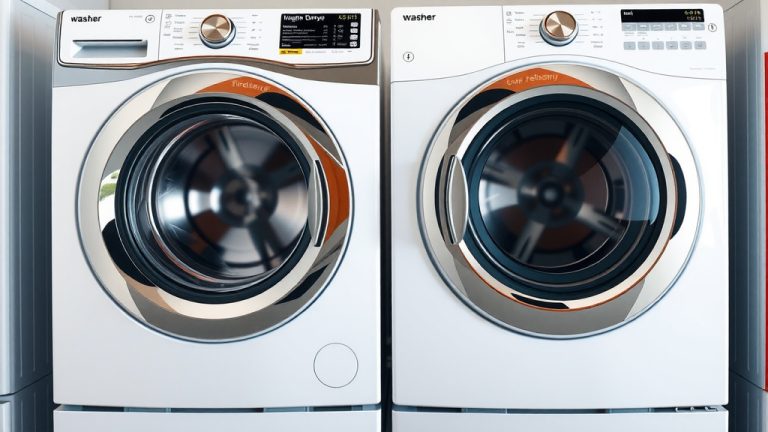
When deciding between a top-load and a front-load washer, many people find that front-loaders offer a better clean and are more water-efficient. While top-loaders can be cheaper upfront and have faster cycle times, front-loaders often come out ahead in the long run for their performance and savings.
Choosing the right washer impacts your laundry routine. You want a machine that gets clothes clean effectively and saves you money on utilities. We’ve looked into the details to help you understand the key differences. Both have their place, but one might be a perfect fit for your home.
- Front-loaders generally clean better and use less water.
- Top-loaders are often less expensive to buy.
- Front-loaders can be gentler on clothes.
- Cycle times vary; top-loaders are often faster.
Let’s break down the pros and cons of each so you can make the best choice for your household. We’ll cover everything from cleaning power to cost.
Top Loader vs. Front Loader: Which Washer Wins for Your Home?
Deciding between a top-load and a front-load washer can feel like a big choice. You want a machine that cleans your clothes well without costing a fortune. We’ve researched the differences to help you figure out which style fits your laundry needs best. Both have unique advantages, so let’s dive into the details.
Understanding Top-Load Washers
Top-load washers have been a laundry room staple for decades. You load clothes from the top. They often have an agitator or an impeller in the middle. The agitator is a tall, finned post. It twists and turns clothes to get them clean. An impeller is a low-profile cone or disc at the bottom. It uses fins to move clothes around.
The Perks of a Top-Load Machine
One big draw for top-loaders is often the initial purchase price. They tend to be less expensive than their front-load counterparts. If your budget is a top priority, a top-loader might be the way to go. They are also generally easier to use for some people. You don’t need to bend over as much to load or unload laundry.
Another common advantage is speed. Many top-load cycles finish faster than front-load cycles. This is great if you’re always in a hurry. You can add forgotten items to the wash mid-cycle with most top-loaders. Just lift the lid, toss them in, and press start. This convenience is a major plus for busy households.
Where Top-Loaders Might Fall Short
When it comes to cleaning power, top-loaders with agitators can sometimes be harder on clothes. The agitator’s twisting motion can cause wear and tear over time. While effective at cleaning, it’s not always the gentlest method. This can lead to stretched or snagged fabrics.
Water usage is another area where top-loaders typically lag behind. Many older models and some newer ones use a lot of water to fill the tub. They need enough water to fully submerge the clothes. This can mean higher water bills. Also, they tend to use more energy for heating water if you opt for hot cycles.
Exploring Front-Load Washers
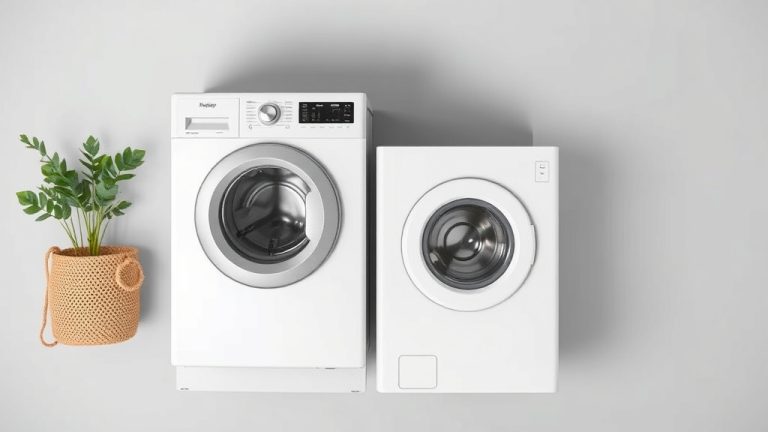
Front-load washers have gained popularity for their advanced features and efficiency. You load them through a door on the front of the machine. They tumble clothes using gravity and a tumbling action. This method is generally much gentler on fabrics.
Why Front-Loaders Shine
Many experts agree that front-loaders often provide a superior clean. The tumbling action lifts clothes up and drops them into the water. This repeated action is very effective at removing dirt and stains. Studies show they are often better at handling large or bulky items too. They use less water, which means less detergent is needed. This can save you money on both water and cleaning products.
You’ll also find that front-loaders are typically more energy-efficient. Because they use less water, they require less energy to heat that water. Plus, their high spin speeds extract more water from clothes. This means less time is needed in the dryer. A shorter drying time saves energy and wear on your clothes.
Gentleness on fabrics is another significant benefit. The way front-loaders move clothes is much less abrasive. This can help your favorite garments last longer. If you have delicate items or a lot of new clothing, a front-loader can be a wise investment for preserving your wardrobe.
Considering the Downsides of Front-Loaders
While impressive, front-loaders often come with a higher upfront cost. They are typically more expensive to purchase than comparable top-load models. You might also notice that their wash cycles tend to be longer. Some cycles can take two hours or more. This can be frustrating if you need laundry done quickly.
Adding clothes mid-cycle can also be a challenge. Most front-loaders have a locking door for safety during the wash. You usually can’t add items once the cycle has started. You’d have to pause the machine, drain some water, and then add your forgotten sock. It’s less convenient than with a top-loader.
Maintenance is another point to consider. The rubber door seal on front-loaders can trap moisture. This can lead to mold and mildew if not cleaned regularly. You’ll need to wipe down the seal and leave the door ajar between uses. This extra step helps prevent odors and keeps your machine clean.
Key Differences at a Glance
To help you visualize, here’s a quick comparison of the main points:
| Feature | Top-Load Washer | Front-Load Washer |
|---|---|---|
| Cleaning Power | Good, but can be rougher on clothes (agitator) | Excellent, gentler on fabrics |
| Water Efficiency | Lower; uses more water | Higher; uses less water |
| Energy Efficiency | Lower, especially for hot washes | Higher; less water to heat, faster spin |
| Cycle Time | Generally faster | Generally longer |
| Adding Clothes Mid-Cycle | Easy | Difficult/Impossible |
| Upfront Cost | Lower | Higher |
| Ergonomics | Easier to load/unload for some | Requires bending, but can be elevated |
| Maintenance | Minimal | Requires door seal cleaning to prevent mold |
Making the Final Decision for Your Laundry Room
So, which type of washer is ultimately better? The research points to front-loaders often having an edge in cleaning performance and efficiency. However, the best choice depends on your personal needs and priorities.
Consider Your Lifestyle and Budget
If you prioritize deep cleaning and want to save on utility bills over time, a front-loader is likely your best bet. Despite the higher initial cost, the long-term savings on water and energy can be substantial. Plus, your clothes may last longer.
If you need the cheapest option upfront and value speed and simplicity, a top-loader could be a great fit. The ability to quickly toss in forgotten items is a convenience many appreciate. For smaller budgets or those who do laundry in a flash, a top-loader is hard to beat.
A Quick Checklist for Your Choice
To help you weigh your options, ask yourself these questions:
- How important is the absolute best cleaning performance to you?
- Are you looking to reduce your water and energy bills?
- What is your budget for a new washing machine?
- Do you often forget to add clothes after starting a load?
- How much space do you have, and do you prefer bending or stooping?
- Are you willing to do a little extra maintenance for better efficiency?
Thinking through these points will guide you toward the washer that truly fits your life. We found that understanding these core differences makes the decision much clearer.
Conclusion
You’ve learned that both top-load and front-load washers have unique strengths. Front-loaders often win for superior cleaning and long-term savings on water and energy. They are also gentler on your clothes. Top-loaders offer a lower upfront cost and faster cycles, which is great for quick laundry needs. Your final choice really boils down to your budget, your laundry habits, and what you value most in a machine. Think about these points, and you’ll find the perfect fit for your home.
Frequently Asked Questions
Do front-load washers really clean better than top-loaders?
Yes, research generally shows front-loaders offer a superior clean. Their tumbling action effectively lifts dirt and stains from fabrics. This method is also typically gentler on your clothes compared to agitator-style top-loaders.
Are front-load washers worth the higher upfront cost?
For many households, yes. While they cost more initially, front-loaders use less water and energy. This leads to significant savings on your utility bills over the machine’s lifespan. Plus, they can help your clothes last longer.
Can I add clothes to a front-load washer mid-cycle?
Typically, no. Most front-loaders lock the door once a cycle begins for safety. If you forget an item, you usually have to wait until the cycle is complete or pause the machine and drain some water, which isn’t always convenient.
What is the maintenance required for a front-load washer?
Front-loaders require a little extra care to prevent mold and odors. You’ll need to wipe down the rubber door seal regularly. It’s also recommended to leave the door ajar between washes to allow moisture to escape.
Which type of washer is better for very large or bulky items?
Front-load washers are often better for large items like comforters or sleeping bags. They don’t have a central agitator, which can get in the way. The tumbling action allows bulky items more room to move and clean effectively.