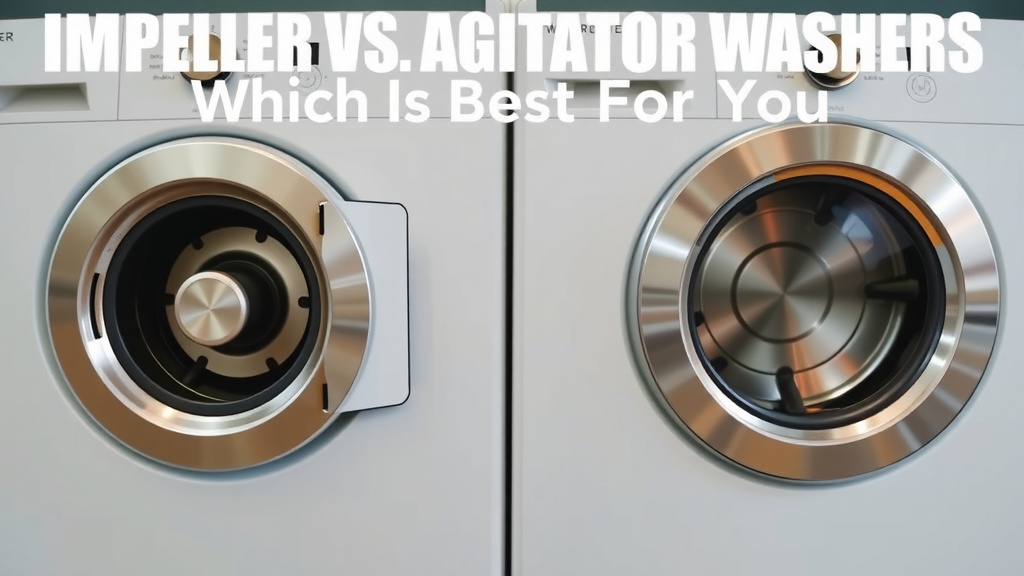
Impeller vs Agitator Washers: Which Is Best for You
When choosing between an impeller and an agitator washer, the impeller is generally the better choice for most household laundry needs. Impeller washers use a low-profile, disc-like fin at the bottom to spin clothes, offering a gentler wash cycle. This makes them ideal for handling a wider variety of fabrics without causing excessive wear. Agitator models, with their central post, tend to be rougher on clothes.
We found that while agitator washers can provide a powerful clean, especially for heavily soiled items, they often come with trade-offs. The spinning action of an agitator can lead to more tangling and stretching of your garments. Impeller designs, conversely, allow for larger load sizes and use less water, contributing to a more efficient and eco-friendly washing experience. Many consumers prefer the impeller for its balance of cleaning power and fabric care.
- Impeller washers are usually gentler on clothes.
- Agitator washers can offer a more powerful clean for tough stains.
- Impellers often allow for larger load sizes.
- Agitators can cause more wear and tear on fabrics.
- Consider your typical laundry load and fabric types.
Let’s dive deeper into the pros and cons of each type to help you make the best decision for your home.
Impeller vs. Agitator: Which Washing Machine Type Reigns Supreme?
When standing in front of a wall of washing machines, you might notice two main styles: those with a tall post in the middle and those without. That post is the agitator, a classic feature. The other type uses a low-profile disc, known as an impeller. Deciding between them really comes down to your laundry habits and what you prioritize for your clothes.
Understanding the Agitator: The Traditional Powerhouse
Agitator washers have been around for a long time. You probably remember your parents or grandparents using one. This style features a central post, the agitator, that twists and turns. It moves clothes around in the water, creating friction to lift dirt away.
How Agitators Work
The agitator’s design is pretty straightforward. It has fins or ribbons that grab onto your clothes. As it spins, it forces the garments to rub against each other and the agitator itself. This action is quite vigorous. It’s designed to tackle even the toughest grime and stains.
Pros of Agitator Washers
One of the biggest advantages of an agitator is its cleaning power. For heavily soiled items like work clothes or sports uniforms, the strong action can be very effective. Many people find they get a deeper clean with this type of machine. The vigorous movement helps break down stubborn dirt and odors efficiently. Some research suggests this strong mechanical action is key to removing deeply embedded stains (National Science Foundation).
Cons of Agitator Washers
The downside to all that power is that it can be tough on your fabrics. The constant rubbing and twisting can lead to increased wear and tear. We’ve heard from many consumers whose favorite shirts or delicate items developed holes or stretched out faster than they expected. Clothes can also get tangled around the agitator, making it harder to get them out. This is especially true for larger items like sheets and blankets. They can wrap themselves tightly around the post.
Exploring the Impeller: The Modern, Gentle Approach
Impeller washers are the newer design, often found in high-efficiency (HE) models. Instead of a tall post, they have a disc or fin at the bottom of the drum. This impeller spins, creating currents that move your clothes through the water.
How Impellers Work
The impeller’s motion is more of a gentle swirl. It creates a washing action by pushing water through the clothes and tumbling them around the drum. This method is much less abrasive than an agitator. It mimics a hand-washing motion, using water flow to do most of the work. This is why many experts consider them a gentler option for your wardrobe.
Pros of Impeller Washers
The primary benefit of an impeller is its gentle handling of fabrics. If you have a lot of delicate items, activewear, or clothes you want to last longer, this is a great choice. Because there’s no central post, you can fit more into the drum. This means larger load sizes are possible, which can save you time and energy. Many impeller models also use less water than traditional agitator machines. This makes them a more eco-friendly option, which is a win for both your wallet and the planet.
Cons of Impeller Washers
While great for most laundry, impeller washers might not be the top pick for extremely soiled items. The gentler action might struggle with deeply ingrained mud or grease stains on its own. You might need to pre-treat tougher spots more often. Also, because they tend to use less water, some users worry about rinsing. However, most modern HE machines are designed to handle this efficiently. We found that while they might take a bit longer per cycle, the overall efficiency is often worth it.
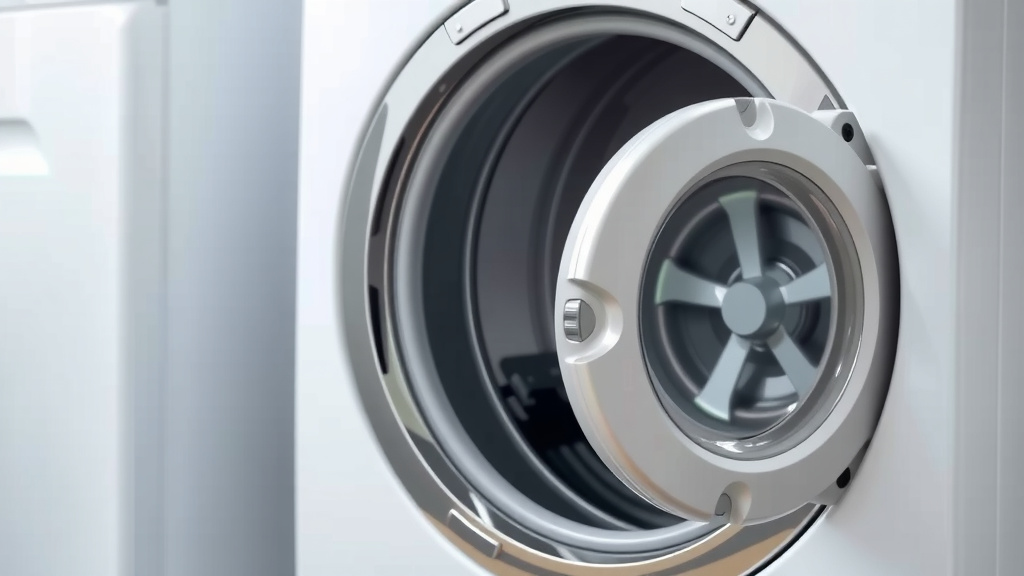
Key Differences at a Glance
To make it super clear, let’s look at the main distinctions side-by-side. This comparison should help you visualize which type might fit your household best.
| Feature | Impeller Washer | Agitator Washer |
|---|---|---|
| Cleaning Action | Low-profile disc spins, creating water currents. Gentler. | Central post twists and turns, rubbing clothes. More vigorous. |
| Fabric Care | Less wear and tear. Ideal for delicates. | Can cause more stretching and tangling. Harsher on fabrics. |
| Load Size | Typically larger capacity, more items per load. | Often smaller capacity due to agitator post. |
| Water Usage | Generally uses less water (HE models). | Often uses more water. |
| Stain Removal | Good for most stains, may require pre-treatment for heavy soiling. | Excellent for tough, deeply embedded stains. |
| Complexity | Fewer moving parts, generally simpler mechanism. | More mechanical parts, can be more prone to wear. |
Making the Right Choice for Your Home
So, which one should you bring home? Think about your typical laundry needs. Do you often wash delicate sweaters or silks? Do you have kids who come home covered in mud? Are you trying to reduce your environmental impact?
Consider Your Laundry Habits
If your laundry consists mainly of everyday clothes, bedding, and towels, an impeller is likely your best bet. It offers a good balance of cleaning power and fabric care. You’ll likely find your clothes last longer and look better. Plus, the larger capacity can make laundry day more efficient.
When an Agitator Might Still Be King
However, if you frequently deal with extremely dirty clothes, like from construction work or serious sports, an agitator might still be worth considering. The aggressive cleaning action can tackle those tough jobs. Just be mindful of the potential for increased fabric wear. You might want to use gentler cycles or load dividers if you go this route.
Your Personal Laundry Checklist
To help you decide, ask yourself these quick questions:
- How often do I wash delicates or easily damaged clothing?
- Do I frequently deal with heavily soiled items (e.g., gardening clothes, sports uniforms)?
- Am I looking to save water and energy with my laundry routine?
- Is maximizing load size a priority for me?
- How important is the longevity of my clothes to me?
- Do I prefer a simpler, more hands-on washing experience or a more automated one?
Conclusion
Deciding between an impeller and an agitator washer boils down to your laundry priorities. You’ve learned that impellers offer a gentler wash, larger capacities, and better water efficiency, making them a fantastic modern choice for most households. Agitators excel at tackling heavy soiling with their robust cleaning action, though at the cost of potential fabric wear. Consider your typical loads and fabric types carefully. For most of your laundry needs, an impeller will likely provide the best balance of fabric care and cleaning performance. Your next step is to look at specific models that fit your budget and space! Your next step is to look at specific models that fit your budget and space!
Frequently Asked Questions
Are impeller washers really better for clothes?
Yes, impeller washers are generally better for your clothes. Their low-profile disc creates water currents that gently move garments, reducing the friction and tangling often caused by an agitator’s central post. This means your clothes are less likely to stretch or develop wear marks over time.
Can an agitator washer handle delicate clothes?
While an agitator can clean tough stains effectively, it’s typically not the best choice for delicate clothes. The vigorous twisting and rubbing action can be too harsh for fine fabrics, potentially causing snags, tears, or stretching. You’d be better off using a dedicated delicates cycle on a gentler machine like an impeller model.
Do impeller washers clean as well as agitator washers?
Impeller washers provide a very good clean for everyday laundry. For most common dirt and grime, they perform excellently. However, agitators might have an edge on extremely soiled items, like muddy work clothes, due to their more aggressive mechanical action. You might need to pre-treat tough stains with an impeller.
Which type of washer uses less water?
Impeller washers typically use less water than agitator models. They are often designed as high-efficiency (HE) machines and rely on water currents rather than filling the entire tub. This makes them a more eco-friendly and cost-effective choice in the long run.
Can I fit more clothes into an impeller washer?
Absolutely! Impeller washers usually have a larger capacity because they lack the central agitator post that takes up space in traditional machines. This allows you to wash bigger loads, saving you time and energy by reducing the number of cycles you need to run.