What Makes a Washer High Efficiency Explained
A high-efficiency washer uses less water and less energy to clean your clothes effectively. These machines are designed to be kinder to your wallet and the planet. They achieve this through advanced washing technologies that require fewer resources.
You’ll notice that high-efficiency (HE) washers often don’t fill with water like older models. This is by design. They use a combination of tumbling actions and specialized detergents to get clothes clean with minimal water. Many experts agree this approach is more sustainable for your home.
- Uses significantly less water per load.
- Consumes less electricity compared to traditional washers.
- Often features advanced cleaning technologies.
- Better for the environment and your utility bills.
- Look for the ENERGY STAR label for assurance.
Ready to understand what makes these washers so special? Let’s break down the key features that define a high-efficiency washing machine.
What Makes a Washer Truly High Efficiency?
So, you’re curious about those sleek, modern washers that seem to use hardly any water. What’s the magic behind them? It all comes down to a few key design principles and technologies. We’ve researched what sets these machines apart from their older, water-guzzling cousins.
The main goal of high-efficiency (HE) washers is simple: clean clothes using less water and energy. They achieve this through innovative engineering. You’ll notice they don’t look like the washers you might remember from your childhood. That’s a deliberate choice!
Water Usage: The Biggest Difference
The most obvious change you’ll see with HE washers is how they handle water. Traditional washers would fill up the tub completely. Imagine soaking your clothes in a shallow pool! HE models take a different approach.
Less Water, More Action
Instead of a full tub, HE washers often use a fraction of the water. They might just wet the clothes enough to allow for movement. Then, they rely on the tumbling action to work the water and detergent through the fabric. Think of it like a vigorous massage for your clothes, rather than a bath.
How HE Washers Get Clothes Clean with Less Water
You might wonder, “How can my clothes get clean if they’re not fully submerged?” That’s where advanced technology comes in. These machines use specialized wash actions to compensate for the lower water levels.
Specialized Wash Cycles
HE washers come with cycles designed for low water use. They might use high-speed spins to saturate fabrics or mist systems to apply detergent evenly. This ensures every part of your load gets cleaned effectively.
The Importance of HE Detergent
One critical piece of the puzzle is the detergent. You absolutely must use HE detergent in an HE washer. Why? Regular detergents produce too many suds. These suds can prevent the washer from agitating properly and even damage the machine over time. HE detergents are formulated to create fewer suds, working efficiently with the low water levels.
Energy Consumption: Saving Power, Saving Money
Beyond water, HE washers are also designed to be energy-conscious. Heating water for laundry can be a big energy drain. HE machines often use less hot water, or none at all, which translates to lower energy bills.
Heating Water: The Big Energy Hog
Did you know that a significant portion of a washing machine’s energy use comes from heating the water? Older machines relied heavily on your home’s water heater. HE models often have built-in heating elements or are optimized to work with cooler water temperatures.
Efficient Motor Technology
These washers also feature more efficient motors. Think of it like comparing an old gas-guzzler car to a modern hybrid. HE motors use less electricity to power the wash and spin cycles. This reduces your overall carbon footprint and your utility costs. Many are also quieter!
Design Differences: Top Loaders vs. Front Loaders
When people think of HE washers, they often picture front-loading models. While most front-loaders are HE, you can also find HE top-loaders. Let’s look at the typical differences.
Front-Loaders: The HE Pioneers
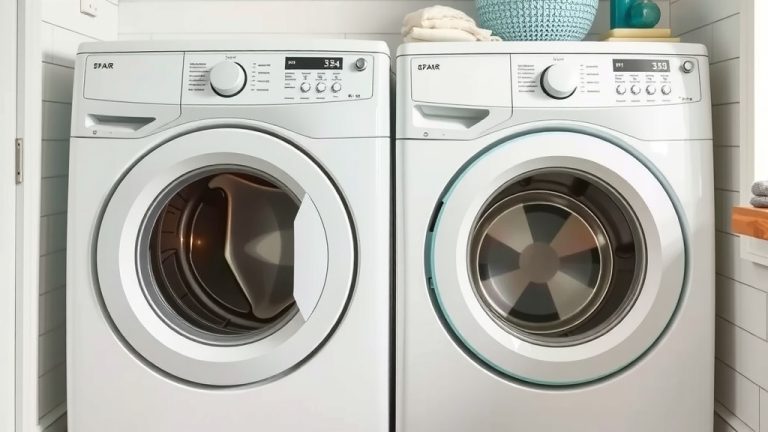
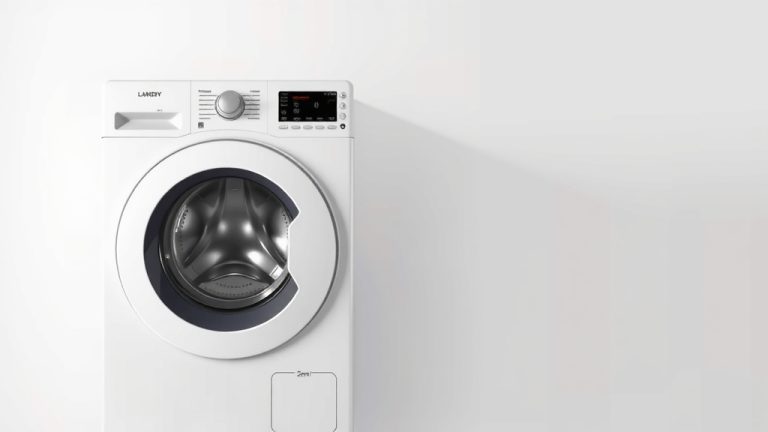
Front-load washers were among the first to embrace HE technology. Their design naturally lends itself to low water usage. Clothes tumble through a small amount of water at the bottom of the drum. This method is incredibly effective and uses the least amount of water and energy.
HE Top-Loaders: A Modern Twist
HE top-loaders look more like traditional washers but have key HE differences. They typically use an impeller plate or a different agitator design to move clothes. This allows for effective cleaning with less water than older top-loaders. They often have a higher spin speed too, extracting more water so clothes dry faster.
| Feature | Traditional Washer | High-Efficiency (HE) Washer |
|---|---|---|
| Water Usage | High (fills tub) | Low (uses less water) |
| Energy Use | Higher (especially for hot water) | Lower (optimized for cold/warm) |
| Detergent Type | Regular detergent | HE detergent ONLY |
| Wash Action | Agitator or impeller (full tub) | Tumbling, impeller, mist (low water) |
| Spin Speed | Moderate | Often higher (more water extracted) |
Looking for the “HE” Label and ENERGY STAR
How can you be sure a washer is truly high-efficiency? Look for specific markings.
The “HE” Symbol
Most HE machines will clearly be marked with “HE” on the lid or control panel. This is your first clue that it’s designed for lower water and energy consumption. Remember, using the correct detergent is key for these machines to work as intended.
ENERGY STAR Certification
For an extra layer of assurance, look for the ENERGY STAR label. This is a government-backed program that certifies products meeting strict energy efficiency guidelines. ENERGY STAR certified washers use at least 25% less energy and 33% less water than standard models. It’s a reliable way to know you’re making an eco-friendly and cost-saving choice.
Your Checklist for Choosing an HE Washer
Ready to make the switch or just want to know what to look for? Here’s a quick checklist:
- Confirm it’s marked “HE” (High Efficiency).
- Look for the ENERGY STAR logo.
- Understand you’ll need HE detergent.
- Check load sizes and cycle options.
- Read reviews for real-world performance.
Conclusion
You’ve learned that high-efficiency washers are designed to be smart with resources. They use less water through advanced tumbling actions and specialized cycles. You also know they save energy, often by using cooler water and more efficient motors. Making the switch means cleaner clothes with a lighter impact on your wallet and the environment. The key is using the right HE detergent and looking for the ENERGY STAR label. Ready to upgrade? Your next step is to start comparing models that fit your laundry needs.
Frequently Asked Questions
Do I really need to buy special HE detergent?
Yes, you absolutely must use HE detergent in your high-efficiency washer. Regular detergents create too many suds, which can prevent the machine from cleaning properly and potentially damage it. HE detergents are formulated to work with the low-water system of these machines.
Can HE top-loading washers really be high efficiency?
Yes, HE top-loading washers use innovative designs like impellers or different agitators to move clothes effectively with less water. They still achieve the lower water and energy consumption that defines HE machines, even if they look more like traditional top-loaders.
How does an HE washer clean clothes if it doesn’t use much water?
HE washers rely on advanced technology to compensate for less water. This includes vigorous tumbling actions that rub clothes against each other, specialized spray or mist systems, and high-speed spins to saturate fabrics and work in the detergent.
Will an HE washer save me money on my utility bills?
Yes, high-efficiency washers are designed to significantly reduce your utility costs. By using less water and less energy, especially for heating water, you’ll see a noticeable difference in your monthly bills over time.
Are HE washers better for the environment?
Absolutely. By conserving water and reducing energy consumption, high-efficiency washers have a much lower environmental impact. They help conserve precious water resources and decrease the demand for electricity, which often comes from non-renewable sources.