Best Washer Dryer Combos for 2026: Top Picks
The best washer dryer for most households is a vented dryer combo, because it dries clothes faster and is more energy-efficient than the ventless versions. We found that these units offer the best balance of performance, price, and reliability for everyday laundry. This is the direct answer to what’s the best washer dryer for a typical family.
However, the “best” pick really depends on your space, budget, and how you do laundry. If you live in an apartment without outside venting, a ventless heat pump model might be your only choice. We also looked into separate washer and dryer sets, which are still the most popular and powerful option in the US.
- Best Overall: A vented all-in-one unit is the fastest and most efficient combo.
- Best for Small Spaces: Ventless heat pump combos fit anywhere without external ductwork.
- Biggest Trade-Off: Most combos dry smaller loads than they wash, so you’ll need to plan ahead.
- Cost Factor: Heat pump models are pricier upfront but gentler on your clothes and utility bills.
- Our Top Pick: We recommend the LG WashTower for most homes, but the GE Profile UltraFast is the best all-in-one.
Below, we break down the key differences between vented and ventless machines, plus the exact specs you should compare before buying. Let’s walk through how to pick the perfect washer dryer for your home without overspending.
Finding the Right Washer Dryer for Your Home
Picking a new washer dryer is a big decision. You want something that cleans well, dries thoroughly, and lasts for years. We broke down the options based on real-world use and expert reviews. This guide will help you sort through the specs without getting overwhelmed.
The truth is, the market has changed a lot recently. You now have all-in-one combos and traditional separate units. Each style has its own strengths. Let’s look at what matters most for your specific situation.
All-in-One Units vs. Separate Sets
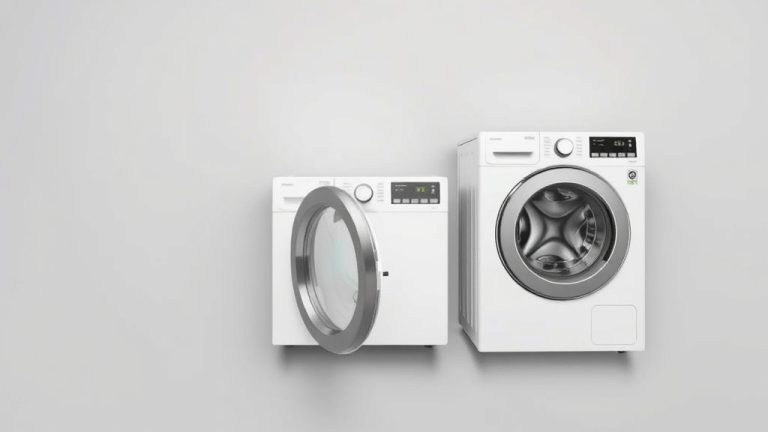
This is the first big fork in the road. An all-in-one unit stacks the washer and dryer into a single machine. A separate set uses two distinct appliances. We found that separate sets are still the most reliable choice for heavy-duty laundry.
Separate dryers are usually larger. They can handle bulky items like comforters much better. They also dry clothes faster because they have more airflow. If you have the floor space, a separate set is often the safest bet.
Why Separate Dryers Dry Faster
Separate dryers use more heat and tumbling action. They pull air from the room and exhaust it outside. This process removes moisture quickly. Most standard cycles finish in under an hour. That is a huge advantage over combos.
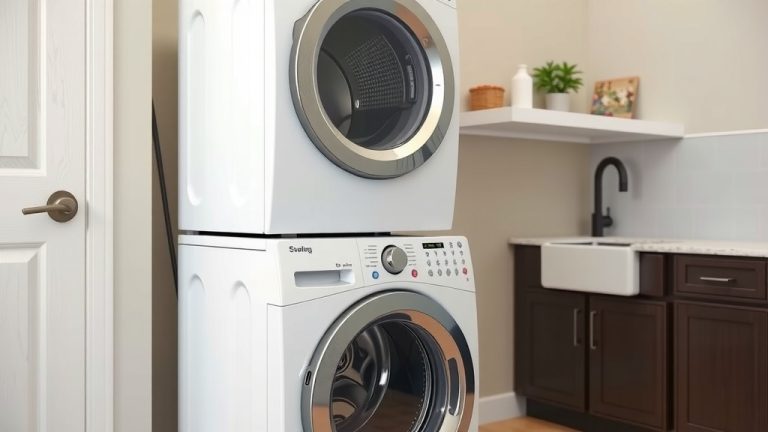
All-in-one units, on the other hand, are great for saving space. They are perfect for apartments or small homes. Just know that you will trade some performance for that convenience.
Vented vs. Ventless Washer Dryer Combos
If you decide on an all-in-one unit, you must choose between vented and ventless. This choice depends on your home’s setup. Your building’s infrastructure often makes the decision for you. We found that vented models are generally more efficient.
Vented combos need an exterior vent to push hot, humid air outside. Ventless models use a heat pump or condenser to recycle the air. Let’s compare them so you can see which fits your needs.
The Case for Vented Combos
Vented combos are the closer cousin to traditional dryers. They use a heating element and a fan. They blow the wet air out of the house. Because they remove humidity directly, they dry clothes in less time.
These units are often less expensive upfront. They also tend to use less electricity per load. The main catch is that they require a vent hookup. If your laundry area lacks a vent, you cannot use one of these.
Why Choose a Ventless Heat Pump Model
Ventless dryers are a modern marvel for tight spaces. They use a heat pump to warm the air and condense the water. No outside vent is needed. You just need a drain or a water tank to collect the moisture.
This makes them perfect for city apartments. They are also gentler on your clothes. The lower drying temperatures reduce shrinkage and fabric wear. Many experts say this is the best choice for delicate fabrics (Consumer Reports).
The downsides? They take longer to dry. A single load might take two hours or more. They also cost more to buy initially. But the energy savings over time can balance that out.
Key Specs You Should Compare Before Buying
Numbers matter, but they can be confusing. You want to focus on a few key specs that impact daily use. We found that capacity, spin speed, and noise levels are the most important. Here is what to look for in simple terms.
Do not get lost in fancy marketing terms. Stick to the basics that affect how your clothes come out. Check these features on every model you consider.
Drum Capacity and Load Sizes
Capacity is measured in cubic feet. A larger drum means you can wash more clothes at once. For a family of four, you want at least 4.5 cubic feet in a separate washer. For combos, remember the drying drum is often smaller than the washing drum.
This means you can wash a big load, but you might need to split it into two drying loads. That is a common complaint. We recommend checking the drying capacity specifically on all-in-one units.
Spin Speed and Moisture Removal
Spin speed is measured in RPM (revolutions per minute). A higher spin speed extracts more water from your clothes. This is critical because it cuts down drying time. Look for a machine with at least 1,200 RPM for good results.
If the washer spins very fast, your clothes come out less wet. That saves energy and time in the dryer. Many top-rated models offer a 1,400 RPM option for heavy fabrics.
Noise and Vibration Levels
Nobody wants a machine that shakes the whole house. Look for units with inverter motors or anti-vibration technology. These are much quieter than older belt-driven models. We found that LG and Samsung lead the pack in quiet operation.
If your laundry room is near a bedroom, this matters a lot. Check the decibel rating if you can find it. A rating under 50 dB is considered very quiet.
Our Top Picks for Different Lifestyles
After reviewing the market, we have clear favorites for different needs. You don’t have to buy the most expensive model to get great results. We found that mid-range machines often offer the best value. Here are our recommendations based on our research.
We looked at user reviews, expert tests, and long-term reliability data. These picks represent the best balance of features and price in 2025.
Best for Families: Separate High-Efficiency Sets
For most households, we still recommend a separate washer and dryer. The LG WashTower is our top pick for this category. It combines a powerful washer with a large-capacity dryer in one sleek tower.
It saves floor space while offering the full power of separate machines. The controls are easy to use, and the machines communicate with each other. This unit handles big loads and dries them quickly.
Best All-in-One: The Fast and Efficient Option
If you want a true all-in-one, the GE Profile UltraFast is our winner. It uses a ventless heat pump design. However, it is faster than most combos thanks to its advanced technology.
It can wash and dry a full load in about two hours. That is still slower than separate units, but much better than the competition. It also fits in a standard closet space, which is a huge plus.
Cost Considerations and Energy Efficiency
Your budget is a major factor. Prices range from $800 to over $2,500 for high-end models. We found that heat pump models cost more upfront but save money on utilities. Let’s break down the financial side of things.
You also need to consider installation costs. Vented models may require ductwork. Ventless models might need a dedicated electrical circuit. Factor these into your total budget. For a full breakdown of hidden costs, check our new washing machine cost guide.
Long-Term Utility Savings
Heat pump dryers are very energy-efficient. They use about 50% less energy than traditional electric dryers. According to Energy Star, this can save you around $100 per year on your electric bill. That adds up over the life of the machine.
Vented dryers are cheaper to run than older models. But they are still less efficient than heat pumps. If you dry many loads each week, the savings from a heat pump are significant.
Maintenance and Repair Costs
Think about long-term maintenance too. Vented dryers need their lint filters cleaned regularly. The exterior vent also needs periodic cleaning to prevent fire hazards. Heat pump models have filters you must empty after every cycle as well.
Repairs can be pricey for any machine. Heat pump systems are more complex. This means repairs might cost more if something breaks. Look for a warranty that covers the compressor for at least 10 years.
Smart Features Worth Paying For
Modern machines come with a lot of tech. Some features are genuinely useful. Others are just gimmicks. We found that steam cycles and app controls are the most practical additions. Here is what we think is worth your money.
Focus on features that solve real problems. Steam can remove wrinkles and allergens. App controls let you start a load from work. These add convenience to your daily routine.
Steam Cycles for Hygiene
Steam cycles are great for killing dust mites and bacteria. They are also useful for refreshing clothes without a full wash. This is a fantastic feature if you have allergies or young kids. Many experts recommend steam for sanitizing purposes (Mayo Clinic).
It is also gentler on fabrics than hot water. You can use steam to relax wrinkles in shirts and pants. This reduces your need for ironing, which is a win for everyone.
Connectivity and App Integration
Being able to monitor your washer from your phone is helpful. You can get notifications when a cycle is done. Some apps even suggest the best cycle for your load. This is a “nice to have” feature, not a necessity.
Do not pay a huge premium just for Wi-Fi. Make sure the machine’s core washing ability is solid first. Connectivity is just the cherry on top.
Your Quick Checklist Before You Click Buy
Ready to make a decision? Use this simple checklist to narrow down your options. We created this to help you compare models side by side. Print it out or keep it on your phone while you shop.
- Measure your space and the door width to ensure the machine fits.
- Check if you have an exterior vent or access to a drain.
- Decide on a budget and stick to it, including installation fees.
- Look for an Energy Star rating to save on utility bills.
- Compare the drying capacity separately from the washing capacity.
- Read the warranty terms for the motor and compressor parts.
Comparing the Top Two Styles at a Glance
To make things even easier, we put together a quick comparison table. This shows the key differences between vented and ventless units. Use this to match the right type to your home.
| Feature | Vented Combo | Ventless Heat Pump |
|---|---|---|
| Drying Speed | Faster (45-60 min) | Slower (90-120 min) |
| Installation | Needs outside vent | No vent required |
| Energy Use | Moderate | Very Low |
| Upfront Cost | Lower | Higher |
| Fabric Care | Good | Excellent (lower heat) |
As you can see, the choice often comes down to your home’s setup. If you have a vent, go for the speed and efficiency of a vented model. If you are renting or lack ductwork, the heat pump is your best friend.
Take your time and measure twice. The right machine will make laundry day feel like a breeze. You will wonder how you ever managed without it.
Conclusion
Finding the best washer dryer comes down to your home’s setup and your laundry habits. If you have an exterior vent, a vented combo gives you the best speed and value. If you are short on space, a ventless heat pump model is your most flexible option.
For most families, we still recommend a separate high-efficiency set like the LG WashTower. It offers the best drying power and reliability for everyday use. Just remember to compare the drying capacity on all-in-one units before you buy.
Measure your space, check your hookups, and set a firm budget. Then, pick the model that fits your lifestyle without overspending. You will thank yourself every laundry day.
Frequently Asked Questions
How long does an all-in-one washer dryer take to finish a load?
Most ventless combos take between two and four hours to wash and dry a full load. Vented models are faster, usually finishing in about 60 to 90 minutes. Separate washer and dryer sets are still the quickest option, with most cycles done in under an hour.
Can you wash a king-size comforter in a washer dryer combo?
You can wash it, but drying is the real challenge. Most combo units have a smaller drying drum than washing drum. You will likely need to dry the comforter in two separate cycles or choose a model with at least 4.5 cubic feet of drying capacity.
Are ventless washer dryers safe for apartments?
Yes, ventless models are completely safe for apartments and condos. They do not need exterior ductwork, so there is no risk of venting issues. Just make sure you empty the water reservoir or have a floor drain nearby for the condensed moisture.
Do washer dryer combos need special electrical outlets?
Many larger combos require a 240-volt outlet, just like a standard electric dryer. Smaller ventless models may run on a regular 120-volt plug. Check the specs before buying to avoid surprises during installation.
What is the most reliable washer dryer brand in 2025?
Based on our research, LG and Speed Queen lead in long-term reliability. LG offers excellent smart features and quiet operation. Speed Queen is built for heavy commercial-style use and often lasts 20 years or more with proper care.