How Full Can You Load a Front Loader Washer
Yes, you can load a front loader washing machine quite full, but there’s a sweet spot to hit. Overloading can actually make your clothes less clean, while underloading wastes water and energy. The goal is to let your clothes tumble freely for the best results. Think of it like a gentle hug for your laundry, not a wrestling match.
Finding that perfect load size is key to getting your laundry sparkling. A machine that’s too packed can lead to longer wash times and dingy clothes. On the other hand, a load that’s too sparse means you’re using more resources than you need to. We’ve found that aiming for a loosely filled drum often works wonders.
- Don’t pack it too tight; clothes need room to move.
- A loosely filled drum gets clothes cleaner and fresher.
- Underloading wastes water, energy, and detergent.
- Overloading can strain your machine and leave clothes dirty.
- Aim for about a three-quarters full drum, loosely packed.
Let’s break down exactly how to get that load size just right, so your front loader works its best magic.
“`htmlLoading Your Front Loader: The Right Amount Matters
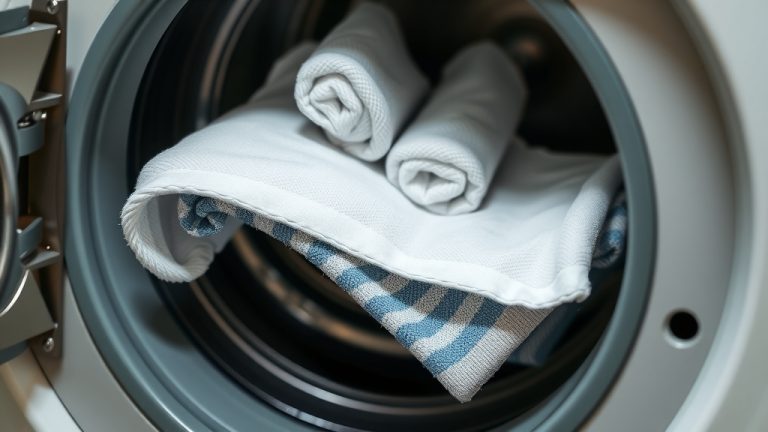
So, how full can you really load a front loader washing machine? It’s a question many of us ponder while staring at a mountain of laundry. The answer isn’t a simple “stuff it until it’s full.” Instead, we’ve found that you want to aim for a drum that’s about three-quarters full, but loosely packed. Think of it as giving your clothes enough space to dance, not a mosh pit.
When your front loader is loaded correctly, your clothes get cleaner. They have room to tumble and rub against each other. This action helps detergent reach every fiber. It also allows water to flow freely, rinsing away dirt and soap. We found that this gentle tumbling motion is key for **effective washing**.
Why Overloading is a Laundry Foe
Overloading your front loader might seem like a good way to get more done at once. However, research and user experiences show this is often counterproductive. When you pack the machine too tightly, your clothes can’t move freely. This means less **friction between garments** and less contact with the detergent solution. The result? Clothes that might still have dirt or stains.
The “No-Can-Do” Effect
Imagine trying to exercise in a cramped space. You can’t extend your limbs or move as you need to. Your laundry faces a similar problem when the drum is stuffed. The clothes get bunched up, and the water can’t circulate properly. This hinders the cleaning process and can even lead to longer wash cycles as the machine tries to compensate.
Potential for Machine Woes
Beyond just less-than-clean clothes, overloading can actually strain your washing machine. The motor has to work harder to turn the drum. This extra stress can lead to premature wear and tear on the machine’s components. Over time, this could mean costly repairs or a shorter lifespan for your appliance. Many repair technicians suggest avoiding overloading to keep your machine running smoothly (Appliance Repair Insights).
The Downsides of Underloading
On the flip side, a machine that’s too empty is also not ideal. While it might seem efficient, underloading can waste resources. You’re using the same amount of water and energy for just a few items. Many appliance manufacturers recommend filling the drum to a reasonable level to make the most of each cycle.
Wasted Resources, Wasted Money
Using a full water fill and running the machine for a tiny load means you’re using more electricity and water than necessary. Over time, this adds up on your utility bills. We found that grouping similar items and washing them in a moderately full load is much more **energy-efficient**.
Detergent Dilemma
Using the standard amount of detergent for a small load can also be an issue. Too much detergent in a small amount of water can leave a residue on your clothes. This residue can attract dirt and make your laundry feel stiff or look dingy. It’s like using too much soap when washing dishes; it takes a lot of rinsing.
The “Three-Quarters Full” Sweet Spot
So, what does a perfectly loaded front loader look like? We found that aiming for a drum that is about three-quarters full is usually the sweet spot. This means the drum is mostly filled, but there’s still plenty of space for clothes to move around. You should be able to see the tops of the clothes easily.
The “Hand Test” for Load Size
A simple way to check your load size is the “hand test.” After you’ve put your clothes in the drum, try to slide your hand in vertically between the clothes and the top of the drum. If you can easily fit your hand in, and there’s still noticeable space above the load, it’s likely a good size. If your hand fits snugly or you can’t get it in at all, the load is probably too full. Conversely, if you can fit your whole arm in and there’s a huge gap, it’s too light.
This test helps ensure there’s enough room for water and detergent to circulate and for clothes to tumble. It’s a quick, practical method many find useful (Consumer Reports Appliance Guides).
What “Loosely Packed” Really Means
When we say “loosely packed,” we mean you shouldn’t be cramming or pushing clothes down. Just place them in the drum. Let gravity do its work. Avoid rolling or folding items tightly to fit more in. This defeats the purpose of allowing free movement. Think of it as arranging items rather than stuffing them.
Putting It All Together: Your Loading Checklist
To make sure you’re getting the best results from your front loader, keep these simple tips in mind:
- Check the drum: Before you start, look at how full the drum is.
- Aim for 3/4 full: This is generally the ideal amount.
- Allow for movement: Clothes should have room to tumble freely.
- Use the “hand test”: See if you can fit your hand vertically in the top.
- Don’t force it: Never push or cram clothes into the machine.
- Sort your laundry: Wash similar items together for better cleaning and efficiency.
A Visual Aid for Perfect Loads
To give you a clearer picture, let’s look at what different load sizes might look like:
| Load Size | Drum Fill Level | Pros | Cons |
|---|---|---|---|
| Underloaded | Less than 1/3 full | Quick wash time | Wastes water, energy, and detergent. Clothes might not clean well. |
| Perfectly Loaded | About 3/4 full, loosely packed | Best cleaning results. Efficient use of water and energy. Less strain on machine. | Requires sorting to reach this level. |
| Overloaded | Full to the brim, tightly packed | Washes more items at once (theoretically). | Poor cleaning. Longer wash times. Machine strain. Potential for damage. |
Conclusion
You’ve learned that loading your front loader correctly is a balancing act. The sweet spot is about a three-quarters full drum, loosely packed, allowing clothes to tumble freely. This ensures a cleaner wash, saves energy, and protects your machine from strain. Avoid the temptation to stuff it full or run it nearly empty.
By using the simple “hand test” and avoiding cramming clothes, you’ll get the best performance from your front loader. Start applying these tips with your next load for brighter, fresher laundry!
Frequently Asked Questions
Can I wash just one or two items in my front loader?
While you can technically wash just a few items, it’s generally not recommended. Underloading wastes water, energy, and detergent. It’s more efficient to save up a slightly larger load of similar items.
How do I know if I’m overloading my front loader?
If you can’t easily slide your hand vertically between the clothes and the top of the drum, it’s likely overloaded. Clothes should not be packed so tightly they resist movement or prevent your hand from fitting in.
Does the type of clothing affect how full I can load the machine?
Yes, bulky items like blankets or heavy towels take up more space. For these, you’ll need to load much less to maintain that loosely packed, three-quarters full level. Lighter items like t-shirts allow for a fuller, but still loosely packed, load.
What happens if my front loader is too loose?
If your load is too light (much less than three-quarters full), you’ll be wasting water and energy. The clothes might not get the necessary friction against each other for effective cleaning, and excess water can lead to detergent residue.
Will my front loader tell me if the load is too heavy?
Many modern front loaders have built-in sensors that can detect an unbalanced load. If the load is too heavy or unevenly distributed, the machine might stop the cycle or try to redistribute the load, often indicated by an error message or unusual noises.
“`